Walk into a newly constructed high-rise apartment or a freshly renovated suburban home, and you will likely be greeted by a symphony of perfection. The walls are finished in flawless, low-VOC matte white. The floors consist of engineered hardwood planks sanded down to a buttery, uniform smoothness. Every line is laser-straight, every corner is crisp, and the air smells faintly of fresh drywall mud and polyurethane. Yet, despite the undeniable luxury, the space often feels strangely vacant—a cinematic set waiting for a human script rather than a lived-in sanctuary. It lacks a pulse.
This emotional sterility is the unintended byproduct of modern manufacturing efficiency. When every building material is extruded, milled, and polished to eliminate anomaly, we inadvertently strip our living spaces of their narrative weight. We starve our senses of tactile friction. Human eyes and fingertips crave irregularity; we are biologically wired to respond to things that bear the marks of time, weather, and labor. We look for a story.
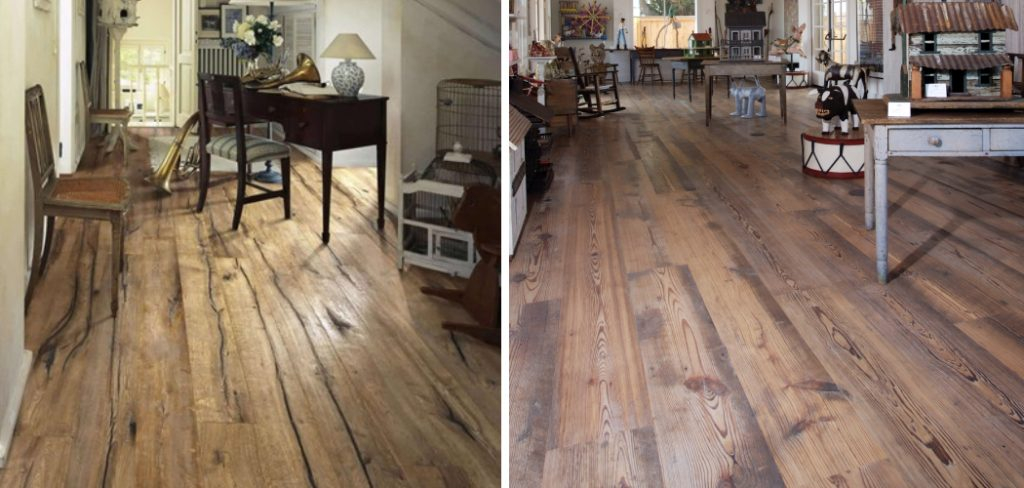
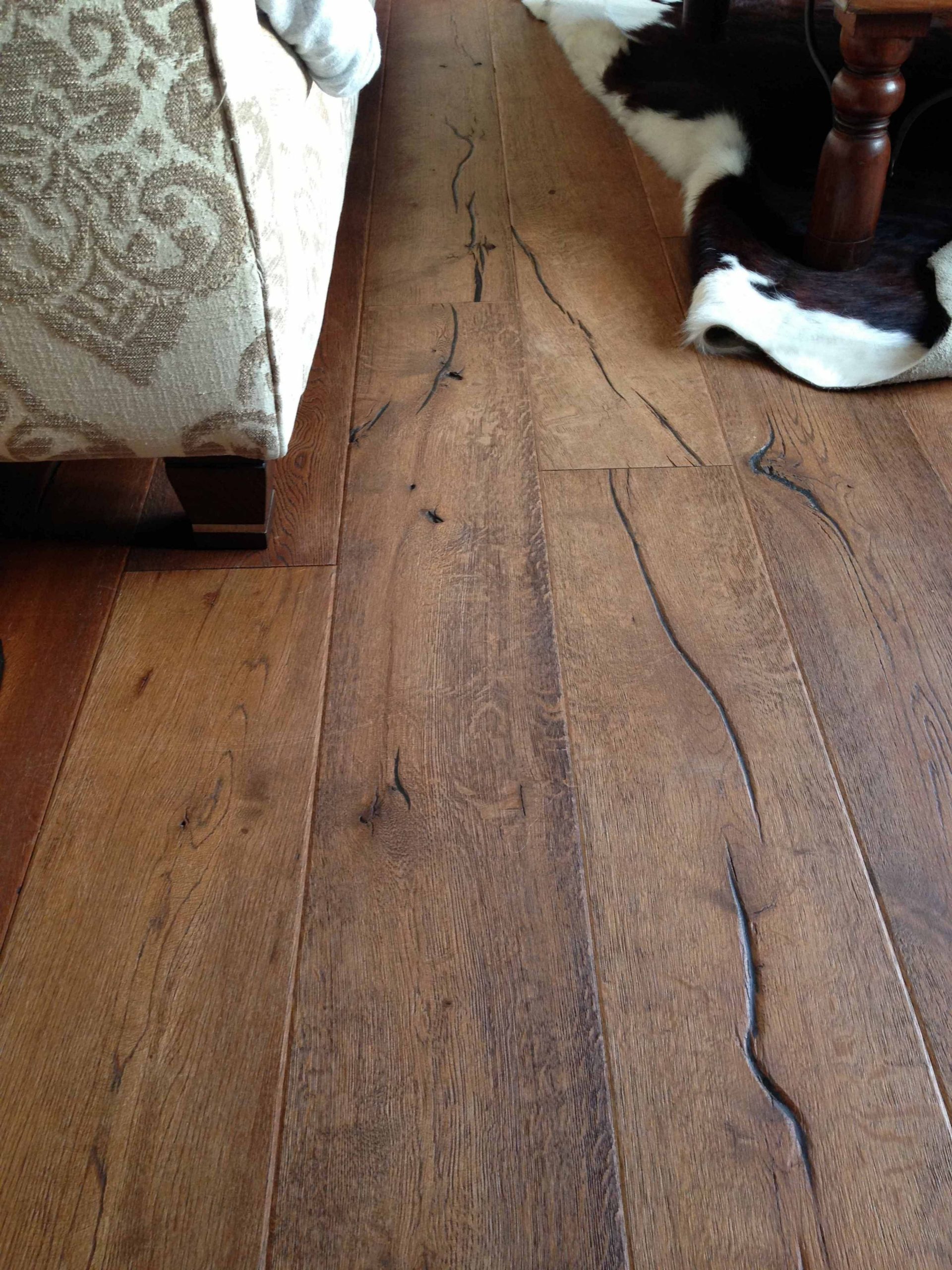
Enter the deliberate counter-revolution: the integration of intentionally aged wood and authentic historic saw marks into contemporary design. Far from being a regression into rustic pastiche or cabin-core clichés, pairing weathered materials with minimalist architecture creates a powerful architectural tension. A circular-sawn ceiling beam or a wire-brushed walnut desktop introduces a rich, earthly dialogue against slick steel, expanses of glass, and monolithic concrete. It is an art form rooted in restraint—where controlled decay and industrial heritage turn clean rooms into soulful, grounding habitats.
The Architectural Tension Between Pristine Modernism and Weathered Patina
Contemporaneous interior architecture relies heavily on negative space, clean sightlines, and industrial mediums like blackened steel, glass, and polished quartz. While stunning, these materials can easily render a room cold, echoing, and intimidating if left unmitigated. The introduction of intentionally aged surfaces acts as a visual ballast. It grounds the weightlessness of modern glass-walled extensions and softens the acoustic reverberations of hard-surface minimalist layouts.
The magic happens at the intersection of opposites. Consider a cantilevered staircase with glass balustrades anchored by treads cut from 19th-century joists bearing the crescent impressions of an antique circular mill. The juxtaposition does not feel confused; rather, it highlights the best attributes of both eras. The glass looks cleaner, more deliberate, and the wood looks richer, anchored by its proximity to modern geometry. This aesthetic strategy honors the philosophy that true luxury is not about unblemished factory perfection, but about depth, rarity, and emotional resonance.
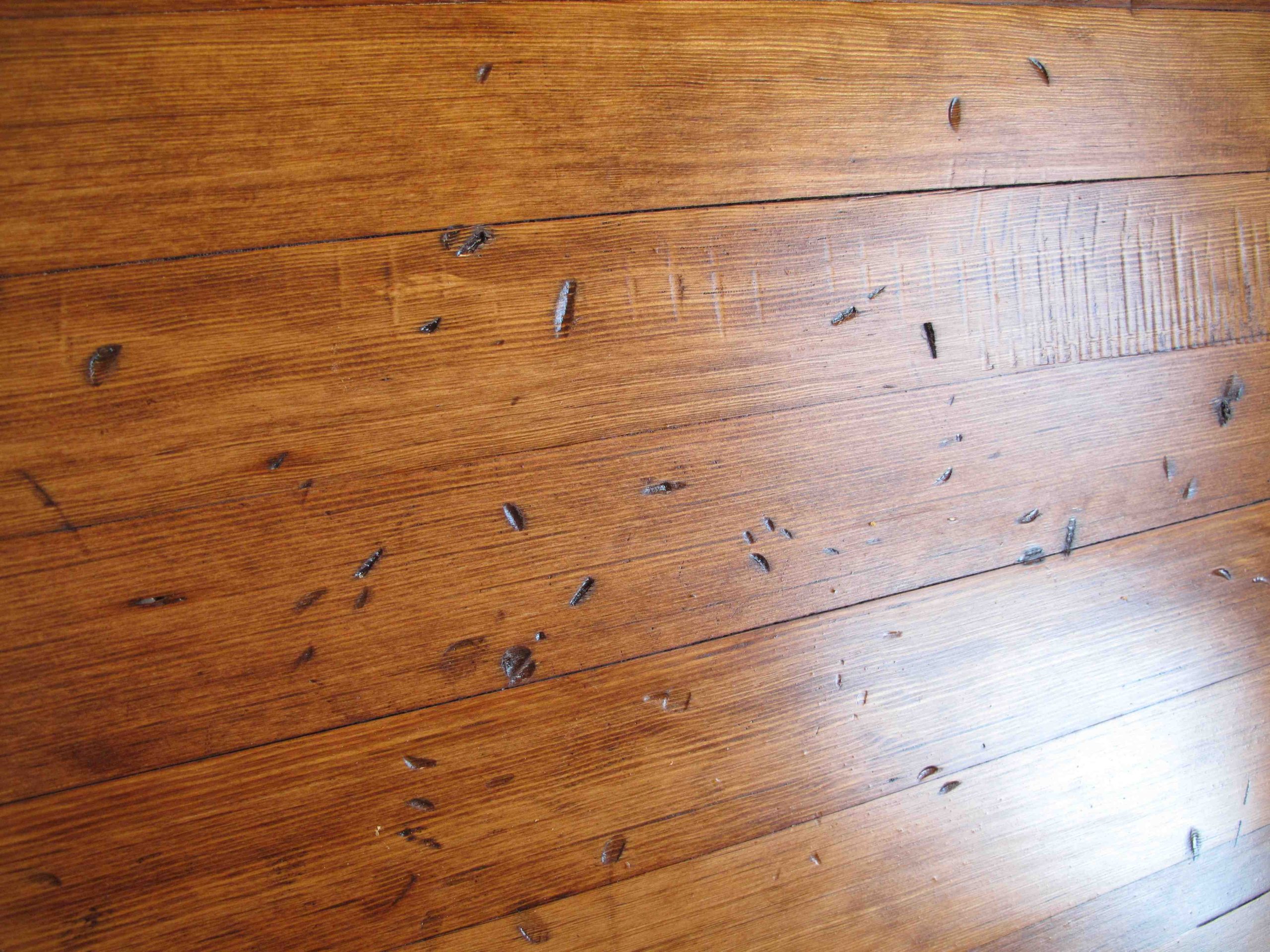
Furthermore, this design philosophy challenges our cultural obsession with pristine, brand-new commodities. When we bring surfaces featuring historical saw marks into our homes, we reject the disposable cycle of fast furniture. We curate an interior that feels as though it has evolved organically over decades, even if the surrounding drywall was taped last month. The wood introduces a tactile vocabulary—random width variations, oxidized nail holes, and undulating kerf lines—that commands attention without shouting for it.
Decoding the Anatomy of Saw Marks, Patina, and Grain Density
To successfully specify aged wood for a contemporary setting, one must understand the mechanical pedigree behind the textures. Not all weathered wood is created equal, and the distinction between authentic history and manufactured replication dictates whether a room reads as sophisticated or theatrical. Historically, lumber was processed using three primary mechanical eras, each leaving a distinct signature upon the timber.
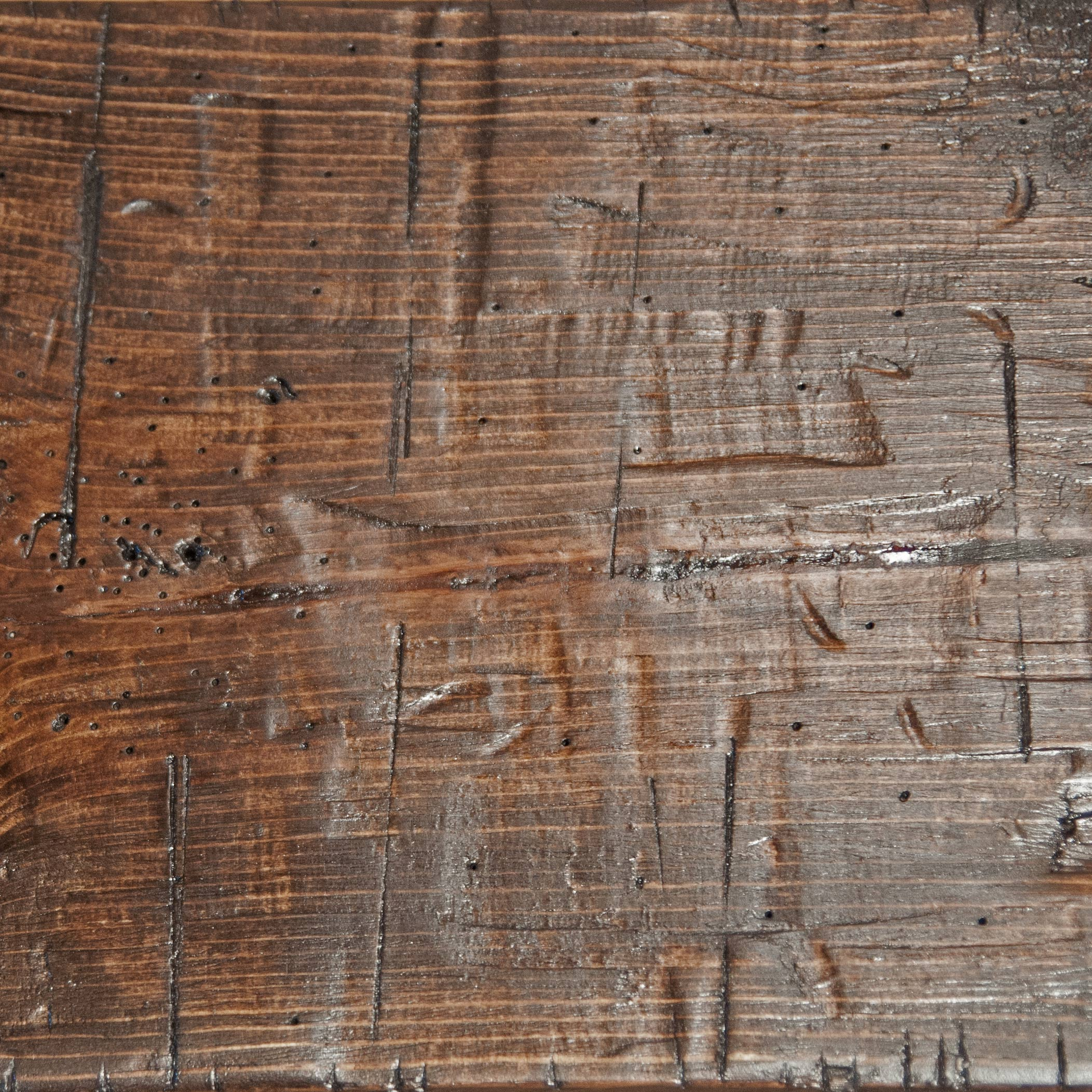
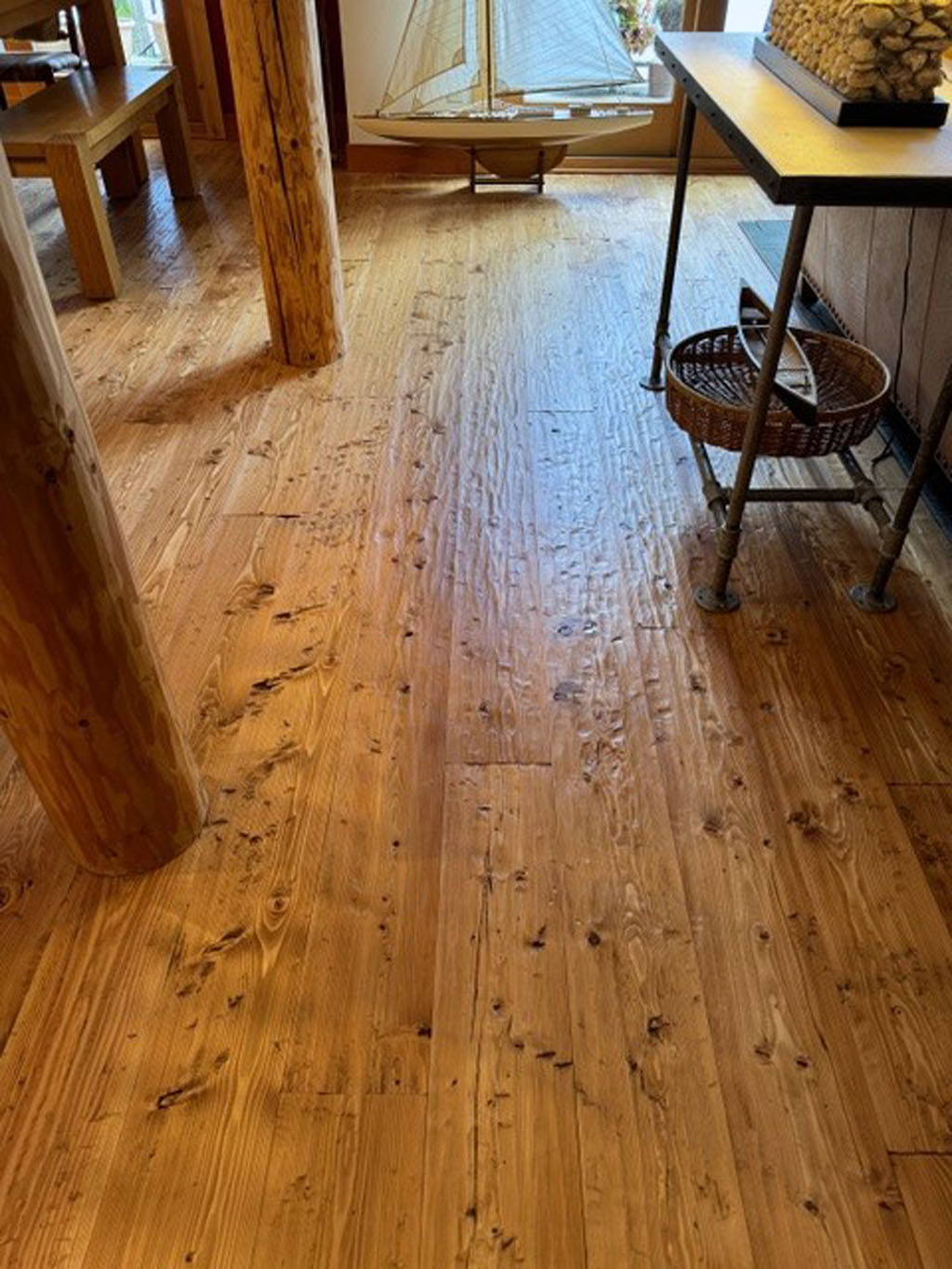
Up-and-down reciprocating pit saws and early water-powered sash saws left straight, parallel vertical scoring lines across the face of the board. These marks are rare, highly prized, and whisper of early American or European settlement structures. Mid-to-late 19th-century circular sawmills introduced spinning blades that cut sweeping, curved arcs—commonly known as circular-sawn marks. These rhythmic crescent patterns add remarkable visual depth to walls and large furniture slabs. Later, modern bandsaws revolutionized the industry with ultra-thin, high-speed blades designed to maximize yield and eliminate waste, rendering contemporary lumber largely smooth and featureless.
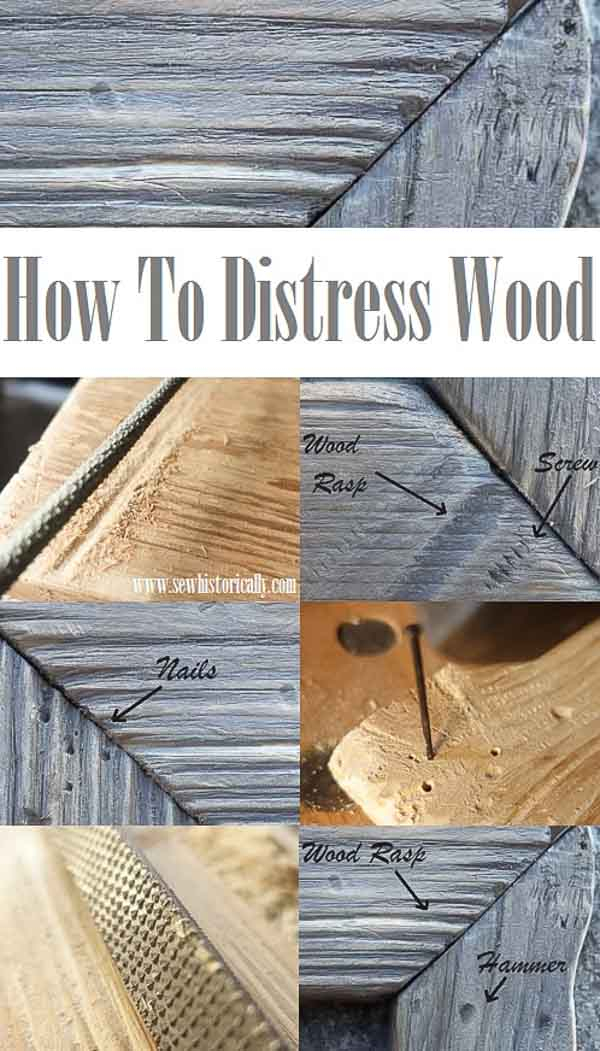
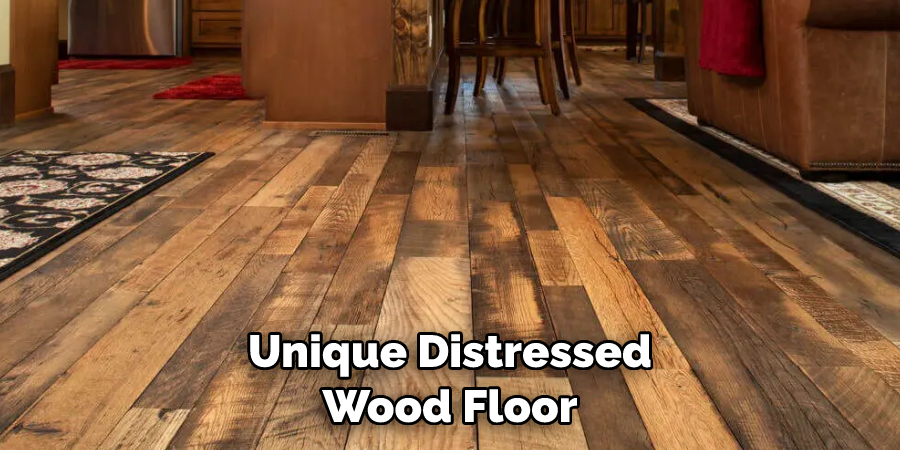
Patina, meanwhile, is the complex chemical and physical alchemy of oxidation, ultraviolet light exposure, decades of ambient dust, and human touch. In refined contemporary design, the goal is often "light character." As noted by master woodworkers, light character means minimal structural compromises—such as avoiding massive bolt holes or deep mortise pockets—while retaining tight grain density, rich color depth, and a mellowed surface sheen. The wood reads as old through its innate maturity rather than through aggressive, cartoonish distress marks sledgehammered into fresh pine at a factory.
A Step-by-Step Methodology for Integrating Aged Wood Into Sleek Spaces
Curating aged elements into a modern home requires surgical precision. Overdo it, and your penthouse loft starts looking like an alpine tourist trap. Underdo it, and the investment gets lost in the background. Follow this structured roadmap to execute the integration with architectural authority:
- Step 1 (Define the Focal Anchor): Select one or two high-impact zones in the room for aged wood—such as a kitchen island wrap, a floating fireplace mantel, or a single feature wall—allowing the surrounding contemporary elements to remain crisp and quiet.
- Step 2 (Source Authenticated Materials): Partner with reputable dealers who specialize in reclaimed structural timbers, ensuring the wood is kiln-dried to eliminate pests, stabilized for indoor humidity, and cleared of hazardous contaminants like lead paint.
- Step 3 (Calibrate the Character Level): Match the intensity of the wood’s texture to the room’s scale; choose tight-grained, subtly saw-marked white oak or walnut for refined urban apartments, and reserve deeply weathered, heavy-textured beams for expansive spaces with high ceilings.
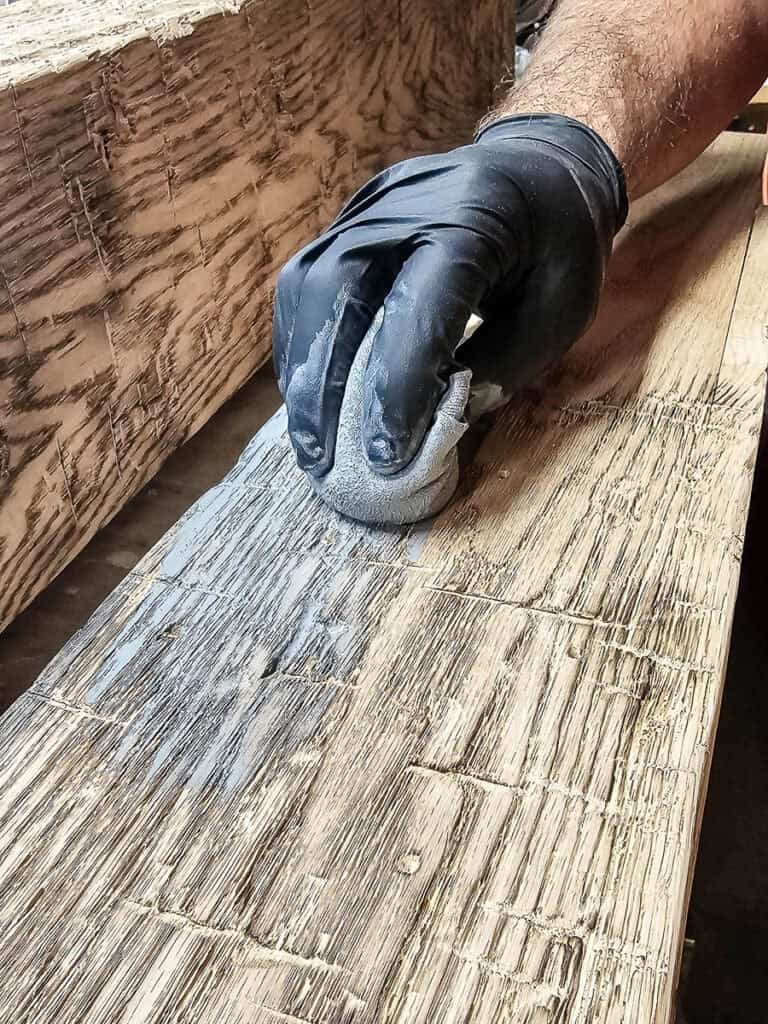
- Step 4 (Specify Low-Sheen Finishing): Protect the tactile integrity of the surface by using matte, zero-VOC hardwax oils or non-yellowing water-based polyurethanes that seal the wood against spills without adding an artificial plastic gloss.
- Step 5 (Establish Lighting Dialogue): Position architectural lighting—such as wall washers or linear LED slots—at a low grazing angle to the wood surface, which exaggerates the depth of the circular saw marks and highlights the natural undulating topography of the grain.
Navigating Common Pitfalls and Technical Missteps in Reclaimed Design
Working with vintage and intentionally aged timber presents unique engineering and aesthetic challenges that can derail a project if anticipated incorrectly. The most common error is treating reclaimed wood like standard dimensional lumber from a big-box hardware store. Old-growth timber is structurally denser, heavier, and often less dimensionally stable due to decades of environmental fluctuations.
Another frequent pitfall is visual fragmentation. Homeowners often fall in love with ten different salvaged pieces—a hand-hewn beam here, a barn-siding accent there, a live-edge coffee table across the room—resulting in a chaotic collage of competing textures. Contemporary design demands editorial discipline. If you feature a prominent circular-sawn ceiling treatment, keep your flooring uniform and neutral to let the ceiling breathe.
Finally, ignore the internal moisture content at your own peril. Reclaimed wood salvaged from damp barns or industrial warehouses often holds high moisture percentages. If brought directly into a climate-controlled modern home with forced-air heating, the timber will rapidly dry, warp, and split violently along old growth rings. Always insist on professional kiln-drying certification and allow the wood to acclimate to your home’s specific interior climate for at least two weeks before fabrication and installation.
Economic Value, Environmental Stewardship, and Long-Term Durability
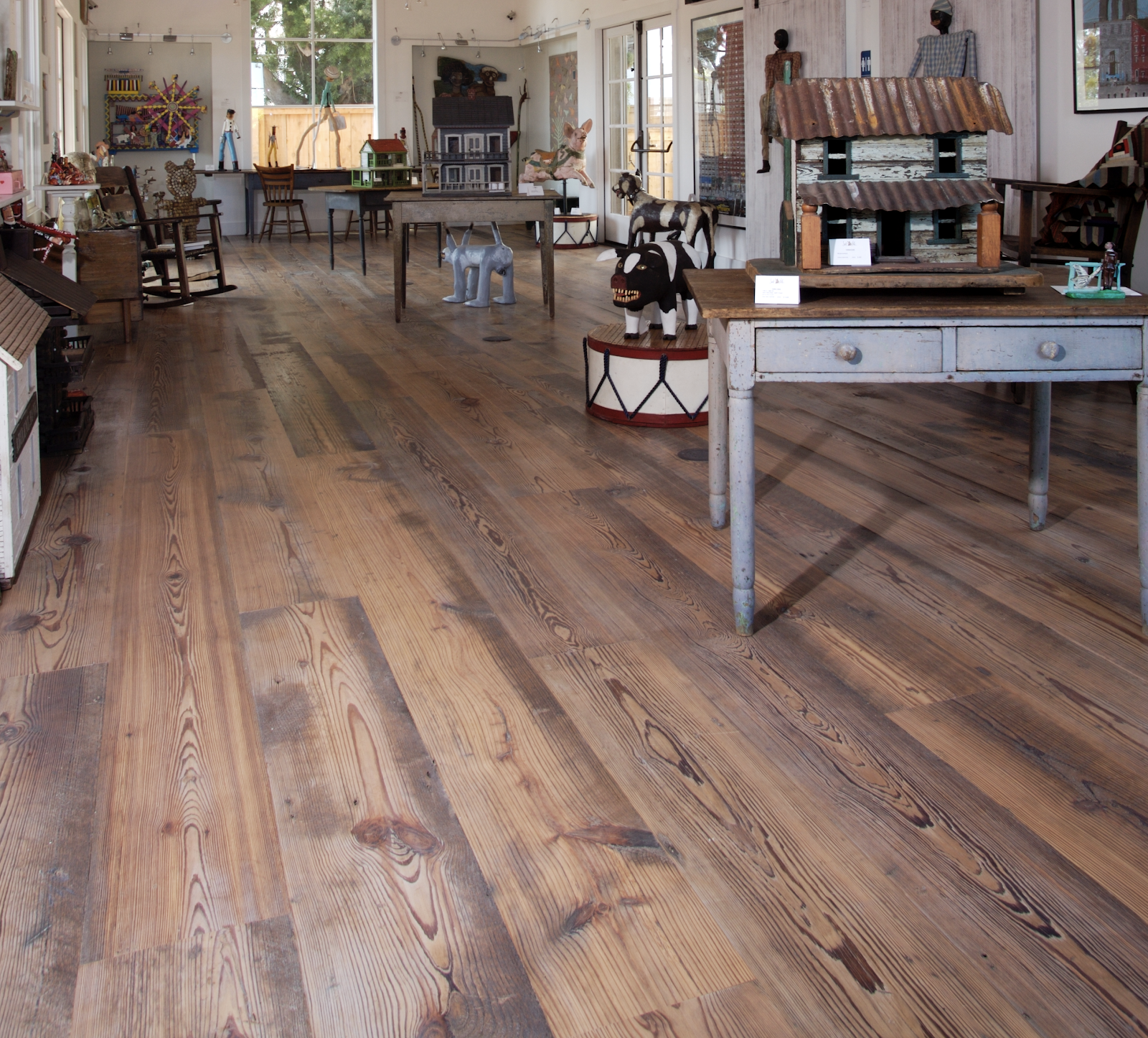
Beyond visual poetry, choosing intentionally aged or reclaimed wood represents a profound commitment to environmental sustainability and sound financial logic. Old-growth forests—the source of dense, tight-grained lumber harvested a century or more ago—are largely irreplaceable. Salvaging timber from decommissioned factories, textile mills, and agricultural barns diverts massive tonnages of high-grade material from landfills while completely eliminating the carbon footprint associated with harvesting new living trees.
From a durability standpoint, old-growth wood outperforms modern plantation-grown timber exponentially. Trees that grew slowly in dense, competitive virgin forests developed tighter growth rings, rendering the resulting lumber structurally harder, less susceptible to rot, and far more stable over decades of service. When you install a reclaimed white oak floor or a structural Douglas fir ceiling joist, you are investing in material that has already proven its ability to endure through centuries of tectonic shifts in climate and use.
Financially, while authentic reclaimed materials carry a higher initial material and fabrication cost due to the labor-intensive extraction, de-nailing, and milling processes, they act as appreciating architectural assets. In luxury real estate markets, bespoke craftsmanship and genuine historic provenance translate directly to higher property valuations. Buyers intuitively recognize the difference between cheap faux-distressed laminate flooring and genuine, time-weathered timber that carries the physical imprint of early American industry.
Strategic Frameworks for Balancing Warmth and Minimalism
Achieving harmony between ultra-clean contemporary architecture and weathered wood requires an intentional balancing act. To prevent your space from tipping into stylistic confusion, apply a proportional framework known to top-tier interior architects as the 80/20 textural rule. Approximately 80 percent of the visual field should remain composed of smooth, neutral, contemporary planes—polished concrete, seamless drywall, glass, and tailored upholstery. The remaining 20 percent is reserved for high-impact, character-rich focal points crafted from aged wood.
Consider how this ratio plays out in a modern kitchen. The perimeter cabinetry is finished in flat-panel, handleless matte lacquer, paired with a monolithic quartz waterfall island. Into this sterile laboratory of culinary efficiency, you drop a massive, thick-cut walnut dining table featuring prominent circular saw marks and natural checking. The table becomes the gravitational center of the room, drawing family and guests inward. The warmth of the wood offsets the chill of the stone, creating a dynamic equilibrium where neither style overwhelms the other.
This strategy extends to vertical planes and structural interventions. A floating staircase utilizing treads milled from salvaged warehouse joists connects levels without blocking light, its exposed saw marks catching the morning sun. By limiting the aged elements to key functional touchpoints—things you physically interact with, like tabletops, handrails, mantels, and doors—you ensure that the history embedded in the wood is felt, touched, and experienced daily, rather than merely looked at from afar.
Our homes are physical manifestations of how we process time, memory, and comfort. In an era dominated by instantaneous digital connectivity and disposable consumer goods, our living spaces bear the immense responsibility of grounding us. They must serve as refuges against the relentless velocity of the modern world.
By thoughtfully embracing intentional aging and authentic saw marks, we bridge the chasm between sleek contemporary innovation and the rich, imperfect tapestry of human history. We stop fighting against the passage of time and instead invite it into our rooms as an honored design partner. The gouges of a circular saw, the oxidized halo of an iron nail, and the deep, honeyed warmth of aged patina are not flaws to be sanded away; they are reminders of permanence, craftsmanship, and soul. When executed with precision and restraint, these time-honored textures transform a mere house into an enduring, deeply personal home.