Ever look out at your big backyard and feel this weird pressure to pave the whole thing over just to make it useful? We have all been there. You want a nice spot for your grill or your morning coffee, and suddenly contractors are talking about massive stone slabs that stretch from fence to fence. Before you know it, your poor lawn is completely gone and you are left wondering what happened to your weekend green space.
It is easy to get carried away when planning an outdoor project. Big dreams often lead to giant stone footprints that take up way more room than we actually need. But outdoor living spaces should serve our real lives, not the other way around. Let us look at how you can craft a smart stone patio that respects your daily routine and preserves your precious grass.
Figuring Out How You Actually Live Outside
Before you grab a shovel or call a pro, take a serious look at your daily habits. Do you host massive weekend barbecues every single month, or are you more likely to grab a quick glass of lemonade on a Tuesday evening after work? If your outdoor time mostly involves one or two people drinking coffee, you do not need a massive stone dance floor.
Mapping your movement patterns makes a huge difference. Watch how you walk across your yard during a typical week. You will probably notice you always take the same path from the back door to the garage or the garden bed. Designing a stone layout around these natural pathways ensures your new patio feels like an organic part of your routine rather than an awkward obstacle in the middle of the grass.
Sizing Things Right for Real Furniture
People always underestimate how much room chairs and tables actually take up. You need enough clearance to pull a chair out and sit down without tumbling off the edge of the pavers and onto the turf. That said, you do not need a football field of stone just to hold a couple of armchairs.
Start by taping out your desired dimensions on the grass with a garden hose or some spray paint. Put your actual outdoor furniture inside that taped boundary and walk around it. Try sitting there. If you feel cramped, expand it just a tiny bit. Keeping your footprint modest leaves plenty of lawn for playing catch, walking barefoot, or letting pets run around without hitting hard surfaces.
Choosing the Right Stones Without Going Overboard
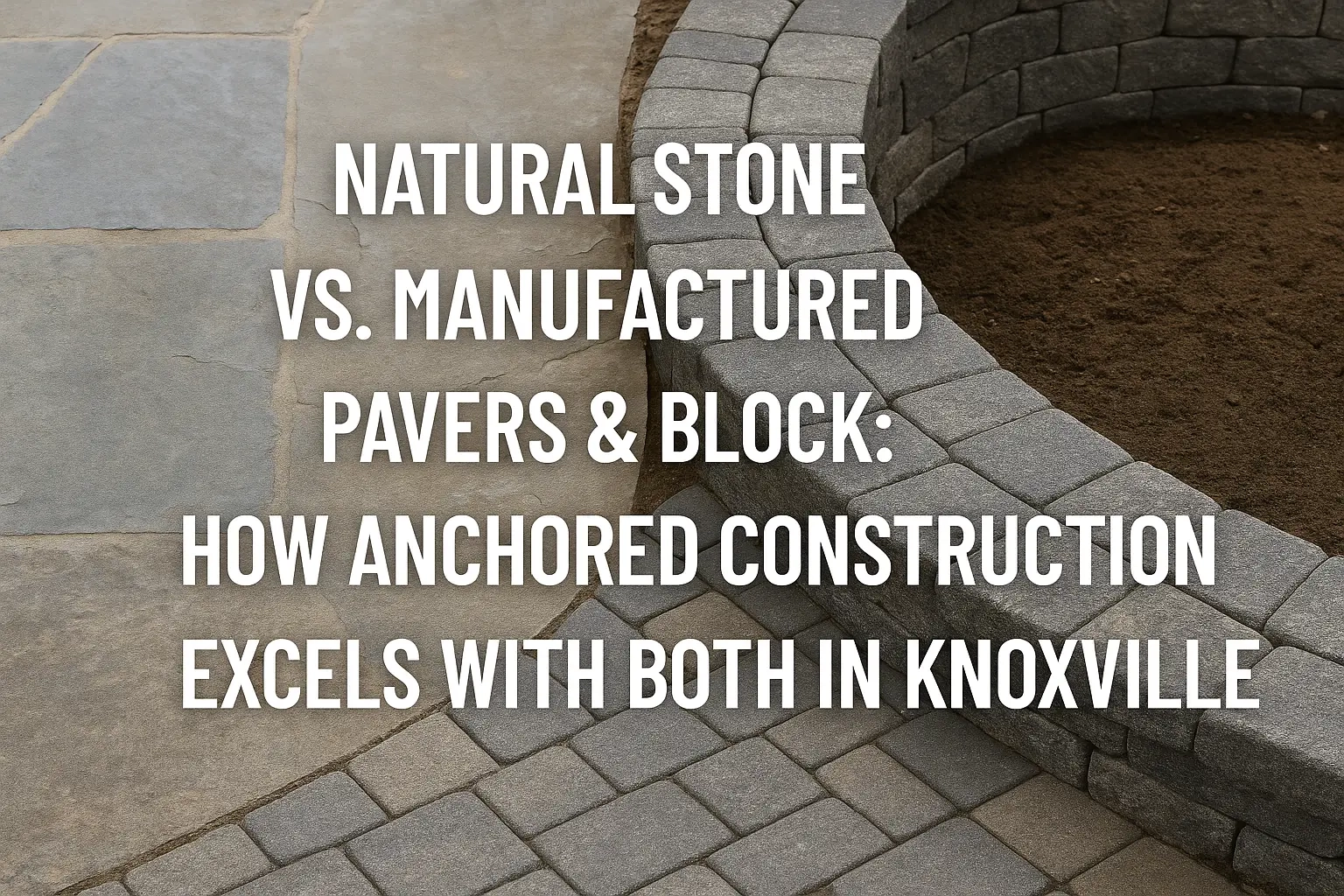
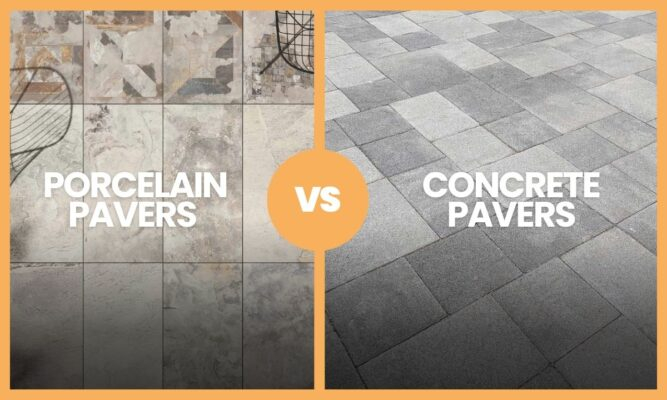
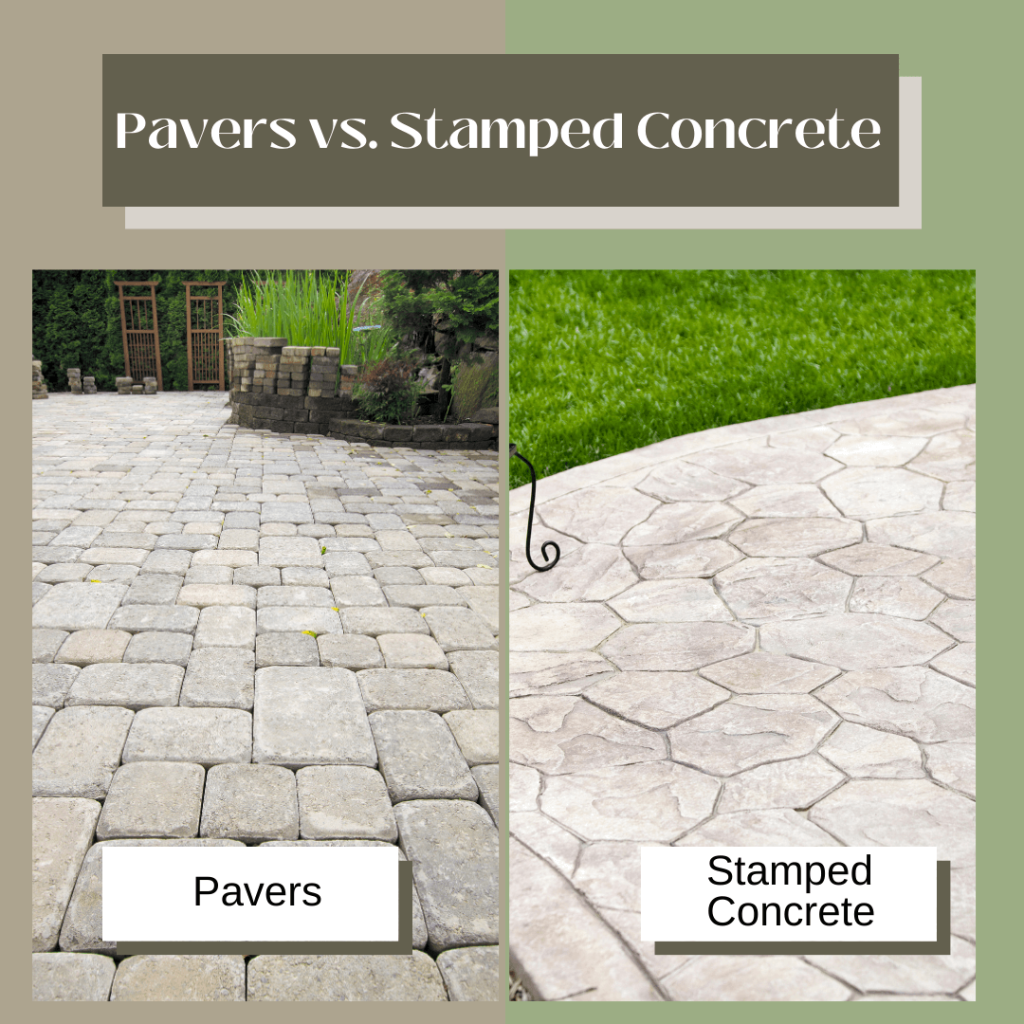
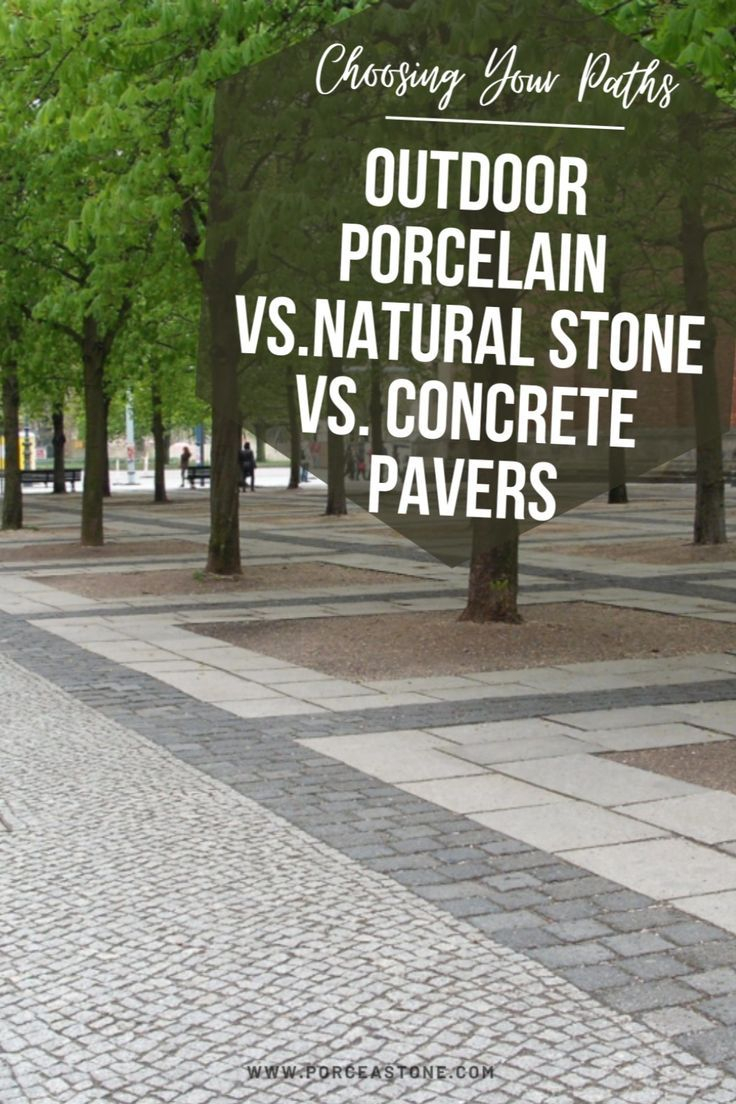
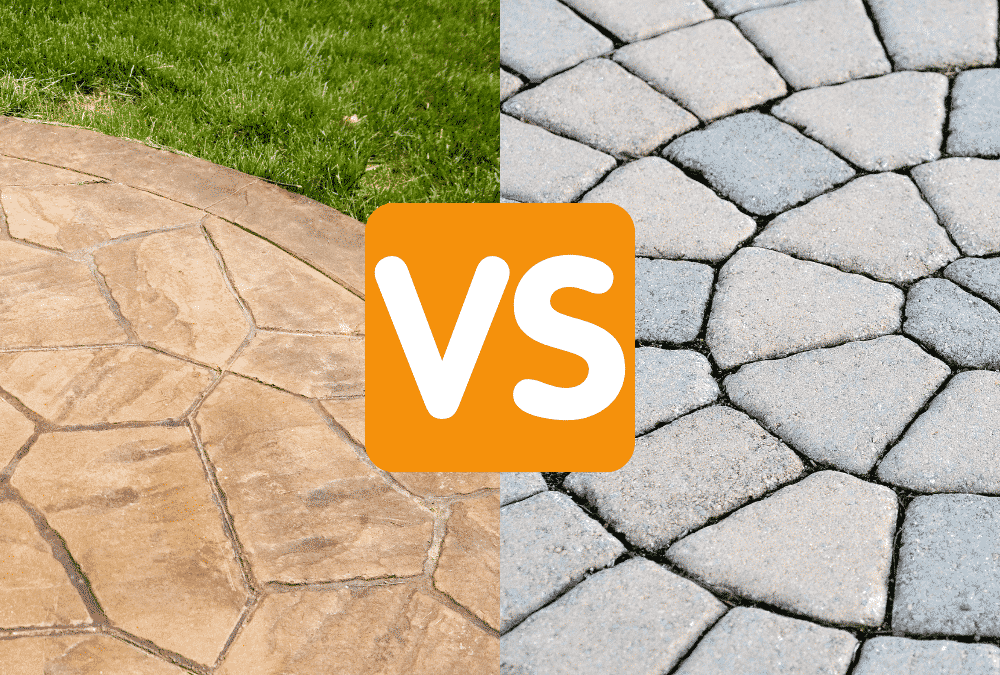
The market offers endless options for pavers, from sleek modern concrete to rustic natural flagstone. When you look at catalogs, everything looks amazing, and it is tempting to mix five different styles. Stick to one main material that matches your home exterior so the space feels cohesive and calm.
Remember that maintenance is part of your daily routine too. Larger pavers mean fewer grout lines, which translates to less time pulling weeds on a sunny Saturday afternoon. Picking a durable, slip-resistant surface keeps things safe when the morning dew sets in or after a heavy summer rainstorm.
Smart Zoning for Multi-Use Spaces
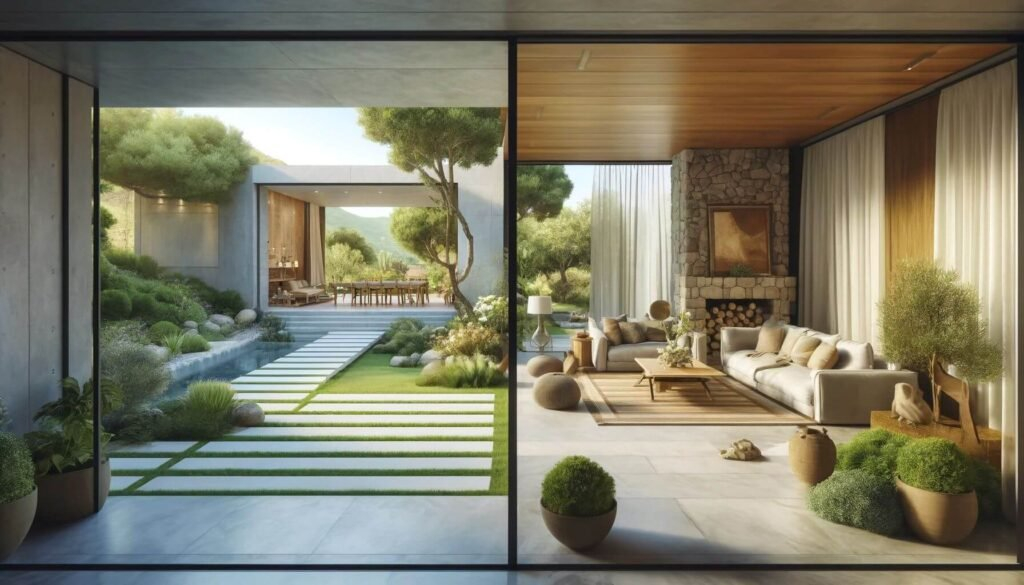
Even a small patio can handle multiple activities if you plan it right. Instead of making one giant square slab, think about creating distinct little zones that flow together. You might have a compact dining nook right outside the kitchen door, connected by a cute stepping stone path to a cozy reading corner under a tree.
Breaking up the hardscape with pockets of planting beds softens the overall look. Leaving small cutouts in your paver layout for herbs or low-growing flowers adds life to the stone. This clever trick tricks the eye into thinking the patio is part of the garden, blending the hard lines of masonry with soft natural greenery.
Connecting Indoor Routines to Outdoor Spaces
Your patio should feel like a natural extension of your indoor living room. Think about how you move from the kitchen to the outdoors when making dinner. If you have to haul heavy platters across a muddy yard to reach the grill, your layout needs a quick rethink.
Positioning your primary seating area close to the exit door saves your legs and keeps messes to a minimum. You can use smaller secondary pads further out in the yard if you want a sunny spot for morning stretching or an evening fire pit. Keeping things close to the house makes outdoor living effortless and automatic.
It is heartbreaking to watch a lush lawn get swallowed up by endless gray concrete. To keep that from happening, set a hard limit on your hardscape percentage. Try to keep your patio under a certain fraction of your total yard size so the grass always wins the majority vote.
Using permeable pavers is another brilliant move for yard health. These special stones let rainwater soak directly into the ground below instead of running off into your flower beds or causing puddles. Your grass stays healthy, your drainage problems disappear, and you get a gorgeous spot to relax without sacrificing nature.
Creating a custom paver patio does not mean you have to sacrifice your entire lawn to the stone gods. By focusing on your actual routines and keeping your design intentional, you can build an outdoor retreat that feels just right. Take your time, measure twice, and remember that sometimes a cozy, compact space beats a massive paved wasteland every single time.
At the end of the day, your yard should bring you joy instead of extra chores. Whether you choose a tiny breakfast nook or a modestly sized dining area, keeping the grass around it ensures a balanced, beautiful landscape. Enjoy stepping out onto your new creation and soaking up the fresh air.