Imagine standing on a busy city street. The air is thick with exhaust. Concrete stretches as far as the eye can see. Now, look up. Really look up. What if that flat, grey roof wasn’t just dead space? What if it was bursting with tomatoes, kale, and peppers? It sounds like a dream, but for millions of people, it’s becoming reality. Rooftop farming isn’t just a trendy hobby anymore. It’s a serious solution to some of our biggest problems.
We’ve spent decades building cities that ignore nature. We paved over gardens and pushed farms hundreds of miles away. But things are changing. In 2026, we’re seeing a shift. People want fresh food. They want cleaner air. And they want community. Rooftop gardens offer all three. They turn unused spaces into productive ecosystems. It’s not just about growing lettuce. It’s about rethinking how we live together in crowded places. Let’s dig into why this vertical revolution is here to stay.
Turning Dead Space Into Living Landscapes
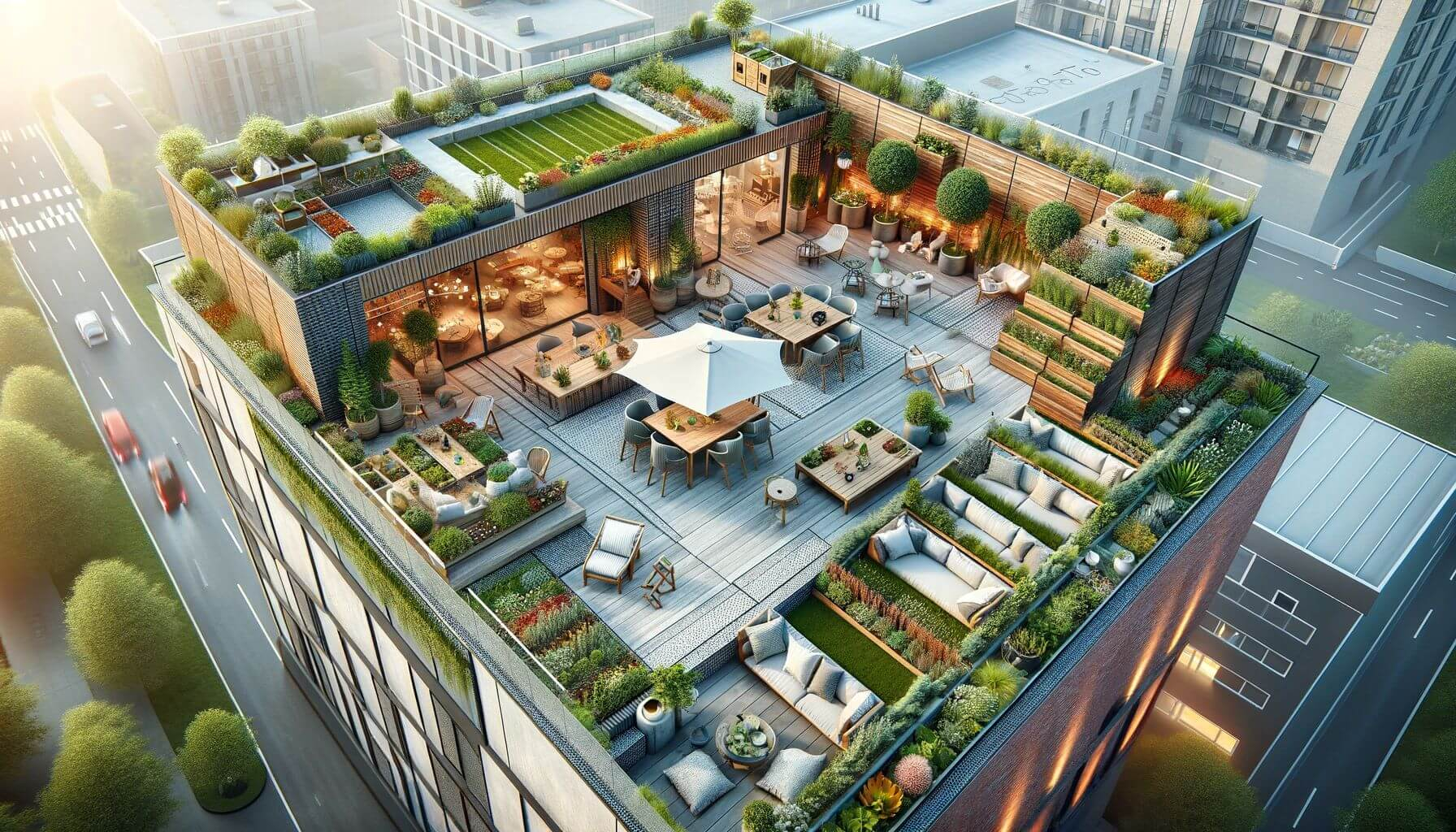
Cities are running out of room. That’s a simple fact. But look at any skyline, and you’ll see acres of empty roof space. These areas sit idle, baking in the sun or collecting rainwater. Rooftop agriculture changes that narrative completely. By converting these neglected zones into green oases, we unlock massive potential without taking up a single square foot of ground level land. It’s smart use of what we already have.
This approach is more than just aesthetics. Sure, a garden looks nice against a grey sky. But it’s functional too. Studies show that these gardens help combat the "urban heat island" effect. You know that feeling when the city is ten degrees hotter than the countryside? Green roofs absorb heat instead of reflecting it. They cool down the building below and the air around it. It’s like giving the city a natural air conditioner. Plus, they manage stormwater better, reducing flood risks during heavy rains.
The transformation is visual and visceral. Walking past a cold, industrial building used to feel bleak. Now, imagine seeing vibrant greens and bright flowers spilling over the edges. It softens the hard lines of architecture. It brings life back into sterile environments. For residents living in dense apartments, having a view of greenery instead of brick walls improves mental health. It’s a small change with huge impacts on daily well-being. We aren’t just growing food; we’re growing happiness.
Fresh Food Right Where You Live
Let’s talk about food miles. Most vegetables in supermarkets travel hundreds, sometimes thousands, of miles to reach your plate. That journey burns fuel and creates emissions. By the time that spinach arrives, it’s lost much of its nutritional value. Rooftop gardens flip this script. They bring production directly to consumption. The distance from farm to fork shrinks to just an elevator ride. This is local eating taken to the extreme.
In 2025 and 2026, we saw a surge in community-supported rooftop projects. Neighbors pool resources to maintain shared gardens. They split the harvest. This builds trust and connection in neighborhoods that often feel disconnected. You might not know the person in 4B, but you definitely know them if you’re both pulling carrots from the same planter box. It fosters a sense of ownership and pride. People care more about their environment when they’re actively nurturing it.
Accessibility is another key factor. Food deserts—areas where fresh produce is hard to find—are a major issue in many cities. Rooftop farms can help fill this gap. By placing gardens on schools, community centers, or affordable housing blocks, we ensure that fresh, healthy options are available to everyone. It’s not a complete fix for systemic inequality, but it’s a powerful step forward. Imagine kids learning where their food comes from by picking it themselves. That education lasts a lifetime.
Technology Meets Tradition in the Sky
You might think rooftop farming is all about dirt and shovels. And sure, traditional soil-based gardening has its place. But the future is high-tech. Modern rooftop farms use hydroponics, aquaponics, and aeroponics. These methods use less water and no soil at all. Plants grow in nutrient-rich water mist or solutions. This is crucial because roofs have weight limits. Soil is heavy. Water-based systems are lighter and often more efficient.
Smart technology plays a big role too. Sensors monitor moisture levels, pH balance, and sunlight exposure. Automated systems adjust watering schedules based on weather forecasts. This means less waste and higher yields. Even beginner gardeners can succeed with these tools. It takes the guesswork out of farming. You don’t need a green thumb if you have a smart app guiding you. This democratizes agriculture, making it accessible to tech-savvy urbanites who might never have touched a hoe.
Greenhouses on roofs are also gaining traction. These protected environments extend the growing season. In colder climates, you can grow crops year-round. The glass traps heat, creating a microclimate perfect for delicate plants. Recent reviews highlight how customizing these structures to specific building types is key. A factory roof needs different tech than a residential apartment block. But the principle remains the same: integrate food production seamlessly into the urban fabric. It’s farming, evolved for the concrete jungle.
Environmental Wins Beyond the Plate
The benefits of rooftop gardens go way beyond fresh salads. They are environmental powerhouses. First, they improve air quality. Plants absorb carbon dioxide and release oxygen. In polluted cities, every leaf counts. They also trap dust and particulate matter, acting as natural filters. Breathing becomes a bit easier when there’s more greenery above you. It’s a small contribution per garden, but multiplied across a city, the impact is significant.
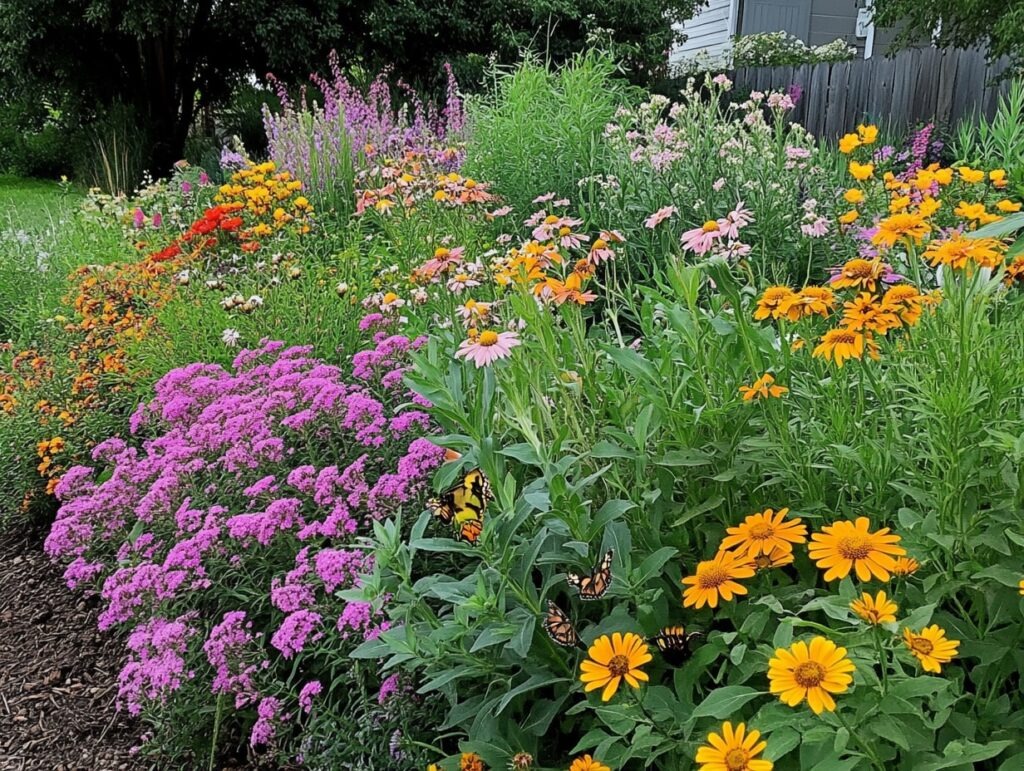
Biodiversity is another winner. Cities are often biological dead zones. Birds and insects struggle to find habitats. Rooftop gardens create stepping stones for wildlife. Bees pollinate the flowers. Birds nest in the shrubs. These mini-ecosystems support species that would otherwise disappear from urban areas. It helps restore balance. Seeing a butterfly on the 10th floor is a reminder that nature persists, even here. We just need to give it a chance.
Then there’s insulation. A green roof acts as a barrier against temperature extremes. In summer, it keeps buildings cooler. In winter, it retains heat. This reduces the energy needed for heating and cooling. Lower energy bills mean lower carbon footprints. It’s a win-win for wallet and planet. Building owners are starting to realize this. Many are incentivized by tax breaks or regulations to install green roofs. It’s becoming standard practice in forward-thinking cities. Sustainability isn’t just a buzzword; it’s good business.
Overcoming the Challenges of Height
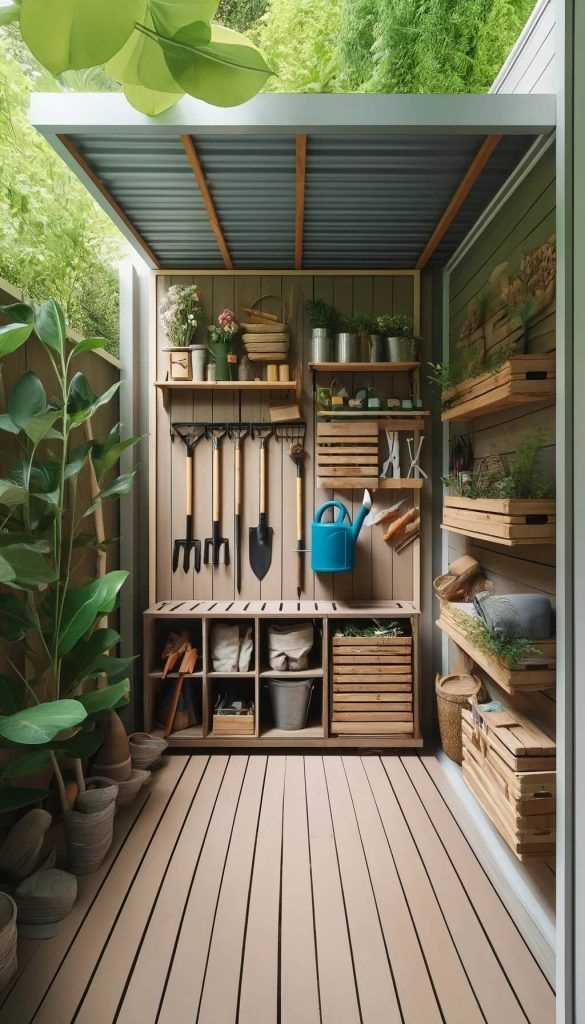
Let’s be real. Rooftop farming isn’t easy. There are hurdles. Weight is the biggest concern. Not every building can support tons of soil and water. Structural assessments are essential before starting. Engineers need to verify load capacities. This adds cost and complexity. But solutions exist. Lightweight substrates and container gardening reduce the burden. Raised beds made of composite materials are strong yet light. Innovation is solving these physical constraints.
Water access is another challenge. Hosing up ten stories is impractical. Rainwater harvesting systems are a great fix. Collecting runoff from the roof itself provides a free water source. Drip irrigation ensures every drop counts. Wind is also a factor. High winds can damage plants or dry them out quickly. Windbreaks and sturdy trellises help protect crops. Choosing wind-resistant varieties is smart planning. It requires adaptation, but it’s manageable.
Cost remains a barrier for many. Setting up a professional rooftop farm is expensive. Equipment, labor, and maintenance add up. However, costs are dropping as technology improves and scales. Community models help share the financial load. Grants and government subsidies are becoming more common too. As demand grows, prices for specialized equipment will likely fall. It’s an investment, yes. But the long-term returns—in food, health, and environment—are worth it. Patience and persistence are key.
This isn’t just happening in one city. It’s a global phenomenon. From New York to Singapore, rooftops are turning green. In dense Asian metropolises, space is premium. Vertical farming on roofs is a necessity. In Europe, historic buildings are being retrofitted with modern agricultural tech. Each region adapts the concept to its unique climate and culture. This diversity strengthens the movement. We learn from each other’s successes and failures.
Case studies from 2025 show impressive results. Factories using their roofs to grow herbs for local restaurants. Schools teaching biology through hands-on gardening. Hospitals providing fresh meals to patients from their own gardens. These examples prove versatility. Rooftop agriculture fits anywhere. It’s scalable. You can start with a few pots or cover an entire acre. The flexibility allows it to thrive in various contexts. It’s not one-size-fits-all; it’s custom-fit for urban life.
The social aspect cannot be overstated. These gardens become community hubs. They host workshops, yoga classes, and harvest festivals. They bring people together across age, race, and income lines. In a world that often feels divided, sharing a meal grown together heals rifts. It creates a shared identity. People feel connected to their city in a new way. They see it as a place of growth, not just consumption. This cultural shift is perhaps the most profound impact of all.
Rooftop vegetable gardens represent more than just a trend. They are a vital part of our urban future. They address food security, environmental health, and social cohesion all at once. Yes, there are challenges. Weight, cost, and logistics require careful planning. But the solutions are emerging fast. Technology makes it easier. Community makes it sustainable. And the benefits are undeniable.
As we move further into 2026, expect to see more grey roofs turn green. It won’t happen overnight. But the momentum is building. Every garden planted is a vote for a healthier, more resilient city. So next time you look up, imagine the possibilities. That empty space could be feeding your neighborhood. It could be cooling your home. It could be bringing people together. The future of farming isn’t just in the fields. It’s right above our heads. Let’s make it grow.
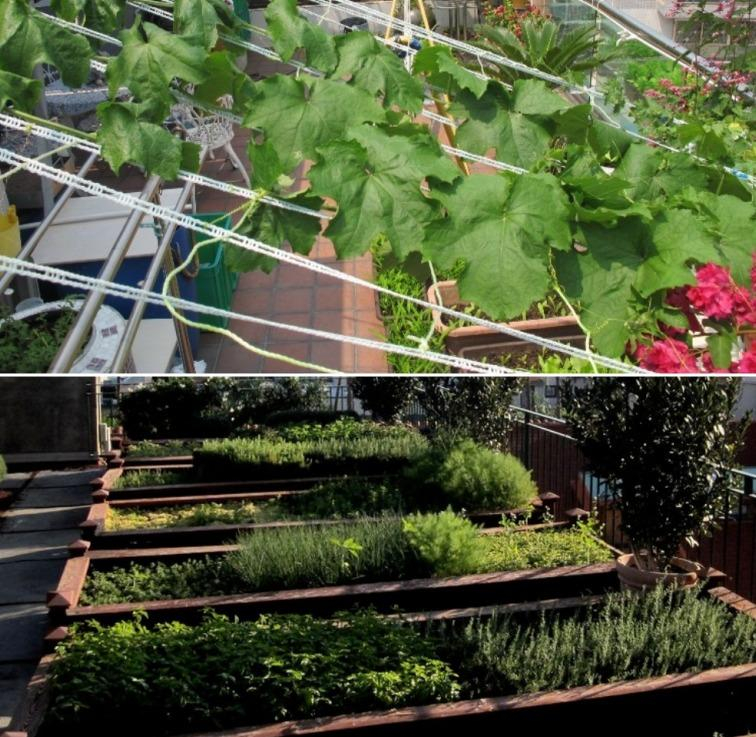
[sps_html tag=”img” src=”https://cdn.northcarolinafinearchitecture.com/2026/06/rooftop-vegetable-gardening-design-layout-in-india-gardening-tips-pertaining-to-outdoor-vegetable-roof-design.jpg” alt=”Rooftop Vegetable Gardening Design, Layout In India | Gardening Tips pertaining to Outdoor Vegetable Roof Design” style=”width: 100%; height: auto;”]
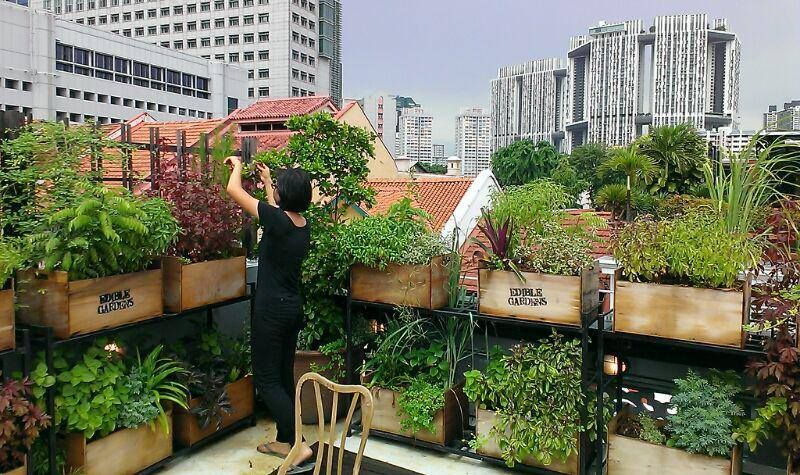
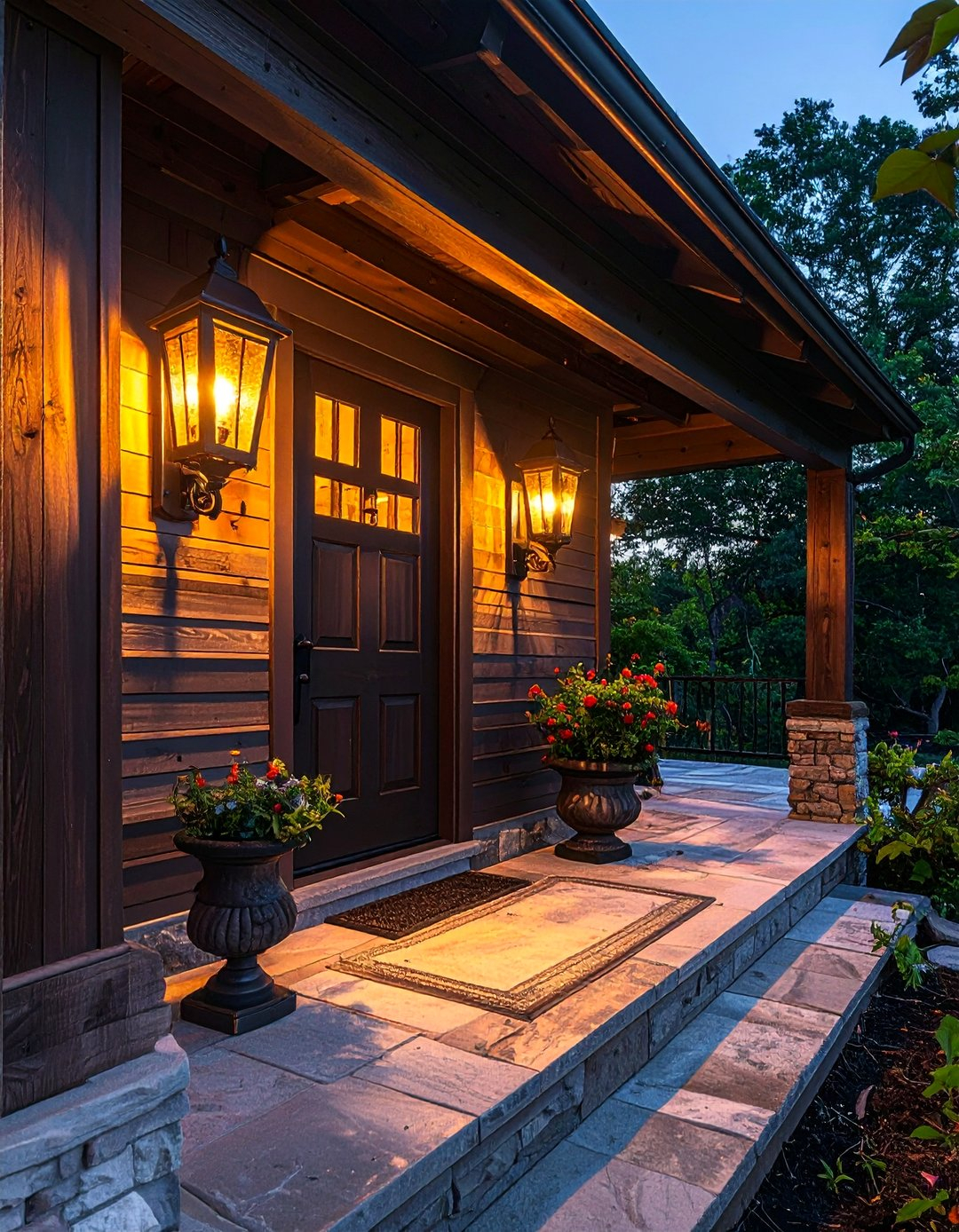
[sps_html tag=”img” src=”https://cdn.northcarolinafinearchitecture.com/2026/06/urban-rooftop-patio-11-modern-design-ideas-for-elevated-space-pertaining-to-outdoor-vegetable-roof-design.jpg” alt=”Urban Rooftop Patio: 11 Modern Design Ideas For Elevated Space pertaining to Outdoor Vegetable Roof Design” style=”width: 100%; height: auto;”]
[sps_html tag=”img” src=”https://cdn.northcarolinafinearchitecture.com/2026/06/gable-hip-roof-and-layouts-hip-roof-vs-gable-roof-a-roofing-with-regard-to-outdoor-vegetable-roof-design.jpg” alt=”Gable Hip Roof And Layouts Hip Roof Vs. Gable Roof: A Roofing with regard to Outdoor Vegetable Roof Design” style=”width: 100%; height: auto;”]
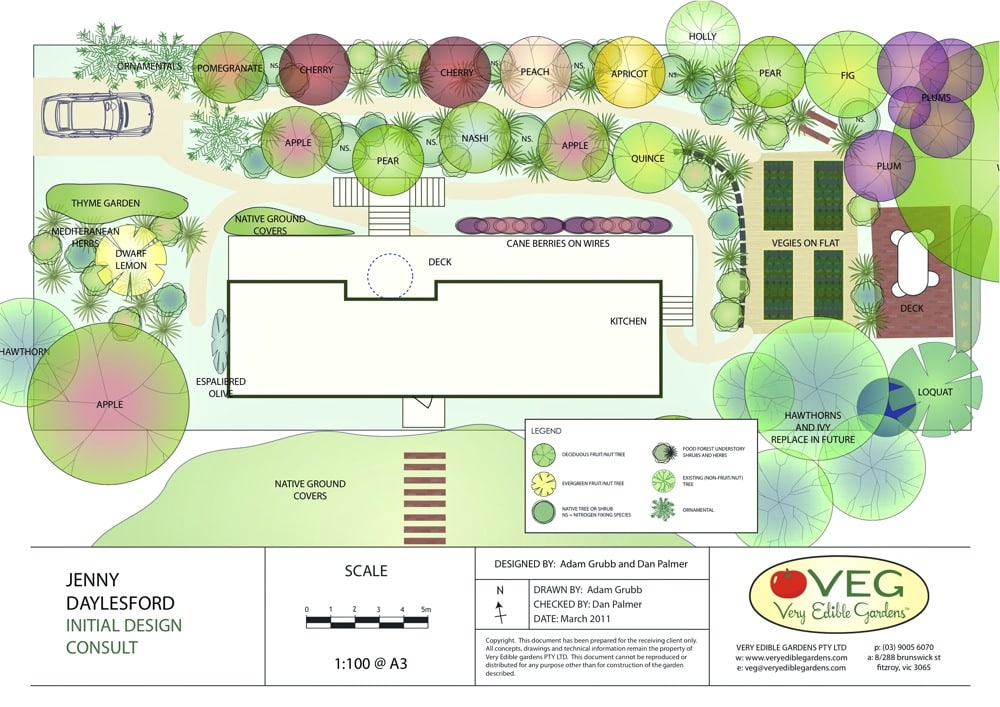
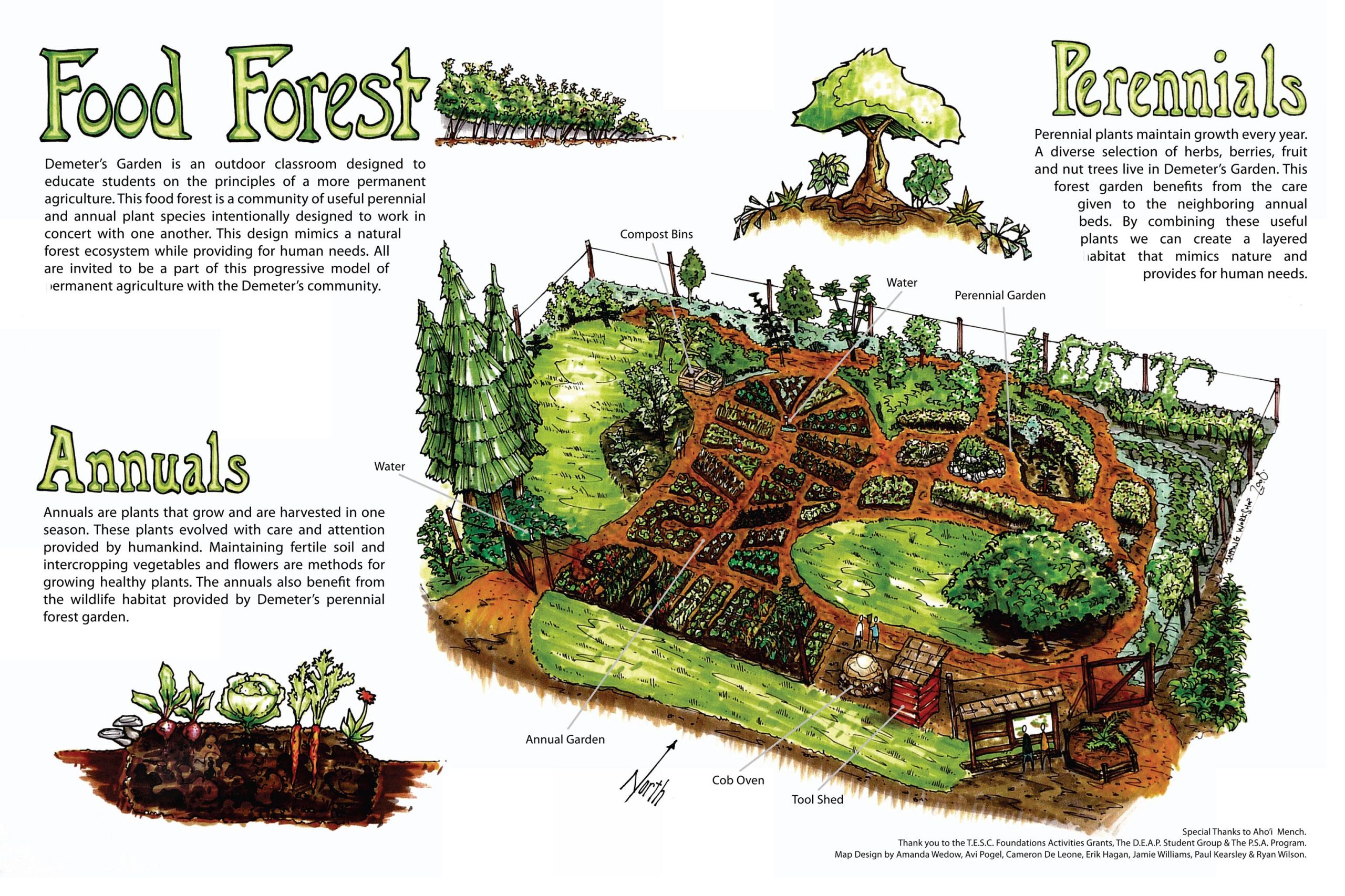
[sps_html tag=”img” src=”https://cdn.northcarolinafinearchitecture.com/2026/06/funky-urban-permaculture-designs-by-veg-milkwood-permaculture-regarding-outdoor-vegetable-roof-design.jpg” alt=”Funky Urban Permaculture Designs By Veg - Milkwood: Permaculture … regarding Outdoor Vegetable Roof Design” style=”width: 100%; height: auto;”]
[sps_html tag=”img” src=”https://cdn.northcarolinafinearchitecture.com/2026/06/food-forest-conceptual-diagram-by-full-circle-tree-crops-urban-food-pertaining-to-seven-edible-roof-layouts-that-maximize-space-and-boost-urban-harvests-scaled.jpg” alt=”Food Forest Conceptual Diagram By Full Circle Tree Crops :: Urban Food … pertaining to Seven Edible Roof Layouts That Maximize Space and Boost Urban Harvests” style=”width: 100%; height: auto;”]