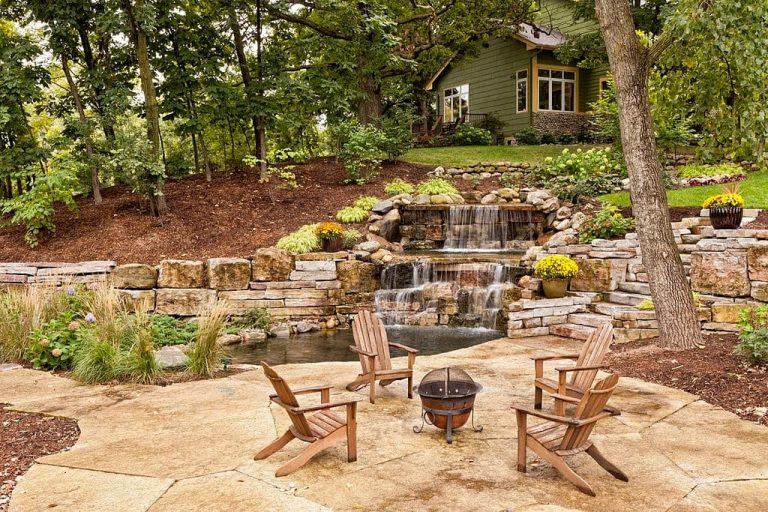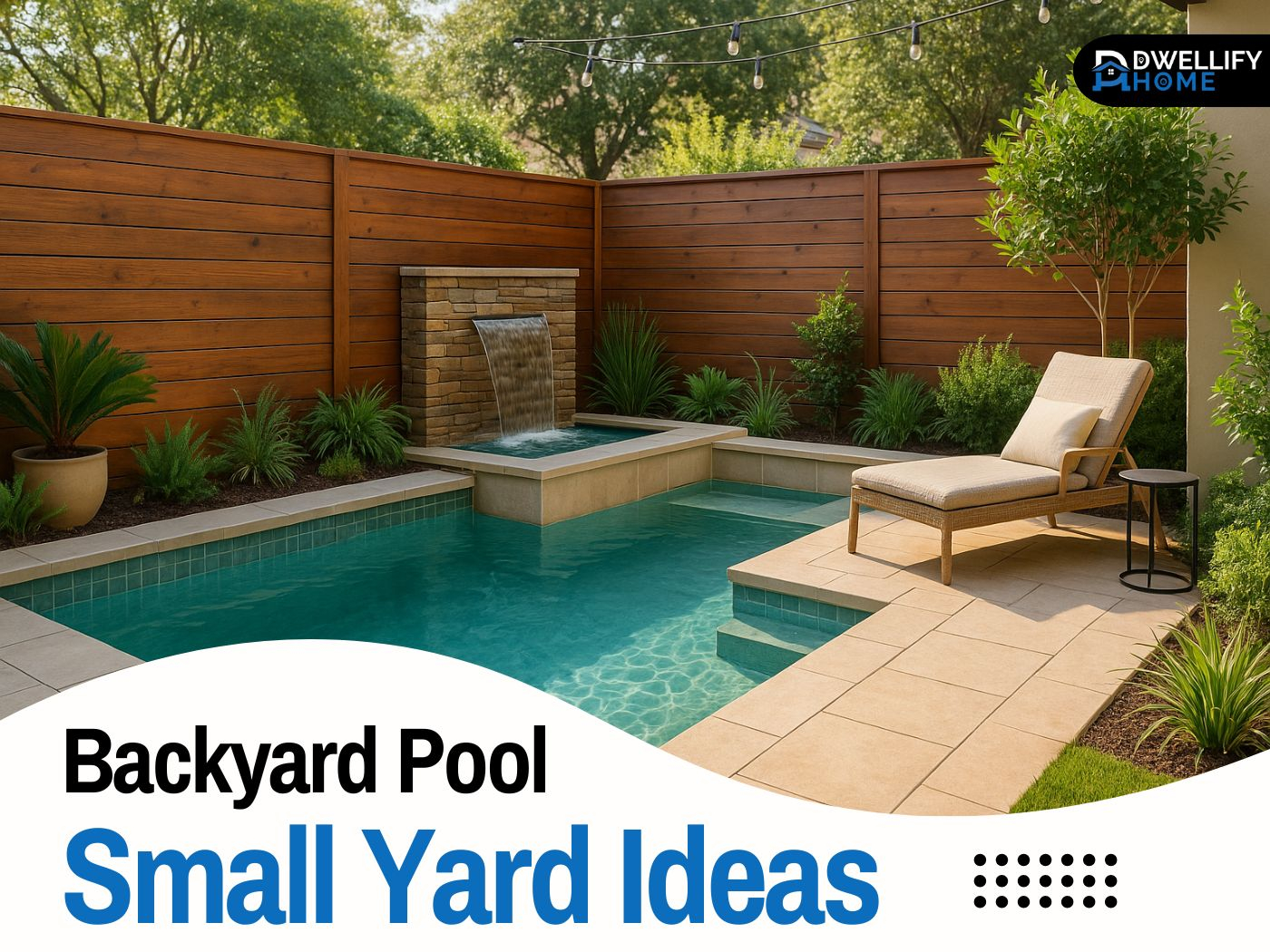
You’ve got the vision. Maybe it’s a sleek, modern expanse of large-format porcelain pavers stretching out from your living room, or perhaps a rustic, cobblestone-inspired retreat complete with a fire pit and an outdoor kitchen. You’ve scrolled through Pinterest for hours. You’ve saved the images. You’re ready to make it happen. But then, the quotes start coming in. And they’re… higher than you expected. Much higher.
It’s a story we hear all the time in 2026. Homeowners budget for the visible stuff—the stones, the furniture, the grill. They forget about the invisible backbone holding it all together. The dirt work. The drainage. The permits. These aren’t just minor line items; they are the foundation of your project, literally and figuratively. Ignoring them is like buying a Ferrari engine and putting it in a go-kart frame. It might look cool for a second, but it won’t last, and it certainly won’t perform.
Let’s be real for a moment. A luxury patio isn’t just a slab of concrete. It’s an extension of your home. It’s where you’ll host dinner parties, watch your kids play, and unwind after a long week. Getting it right matters. But getting it right doesn’t mean throwing money at the problem until it goes away. It means understanding where the money actually goes. This guide is here to pull back the curtain on those hidden costs so you can plan smarter, not harder.
The Ground Beneath Your Feet: Site Prep Surprises
Most people think site preparation is just "clearing the grass." If only it were that simple. Before a single paver is laid, your contractor has to deal with what’s already there. This is often where the first budget bloat happens. If your yard has a slope, you’re looking at significant grading costs. We aren’t talking about a gentle incline either. Even a modest slope requires cut-and-fill operations to create a level base. In 2026, with fuel and labor costs still elevated, moving earth isn’t cheap.
Then there’s the soil itself. Clay-heavy soil? That’s a nightmare for drainage. It holds water like a sponge, which leads to heaving and cracking when it freezes and thaws. You might need to excavate deeper than planned and replace native soil with engineered fill. This isn’t an upsell; it’s insurance against your patio sinking into a mud pit two years from now. Rock beds are another common surprise. Hitting a layer of bedrock or large boulders means bringing in heavy machinery to break it up or remove it. That adds hours, maybe days, to the timeline.
Don’t forget about existing utilities. Gas lines, electrical conduits, and sewer pipes often run through backyard spaces. Relocating these isn’t a DIY job. It requires licensed professionals and inspections. One misplaced shovel can cost thousands in repairs and fines. Always get a utility locate service out before you dig. It’s free in most places and saves you from catastrophic mistakes. Think of site prep as the unsexy hero of your project. It’s not glamorous, but without it, everything else fails.
Material Choices That Look Cheap but Cost a Fortune
Here’s a paradox: some materials look inexpensive but carry a hefty price tag due to installation complexity. Take large-format porcelain pavers, for example. They are huge, thin, and incredibly heavy. They look stunning—like polished marble but durable enough for winter. But installing them? It’s a surgical procedure. They require a perfectly flat, rigid base. Any slight imperfection shows through. Contractors often need specialized lifting equipment and extra hands to handle them without breaking. This drives up labor costs significantly compared to standard concrete pavers.
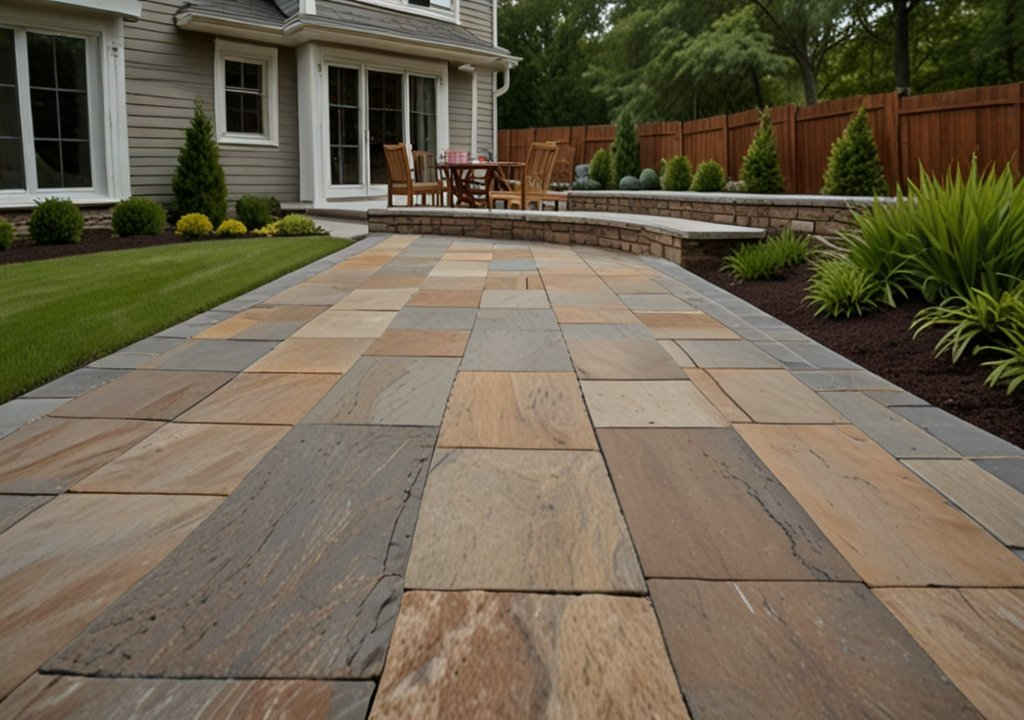
Natural stone is another trap. Flagstone or slate looks organic and timeless. But each piece is unique. This means your installer spends hours hand-fitting each stone like a puzzle. There’s no uniform pattern to follow. This labor-intensive process can double the installation cost compared to modular units. Plus, natural stone varies in thickness. Ensuring a level surface requires constant adjustment and additional mortar or sand bedding. It’s beautiful, yes, but you pay for that beauty in man-hours.
Then there’s the issue of waste. With complex patterns like herringbone or basketweave, you end up cutting more pavers. More cuts mean more waste. You might buy 10% extra material, but for intricate designs, you might need 15-20%. That leftover material doesn’t always have a use. It ends up in a landfill, and you’ve paid for it. Consider simpler patterns if budget is a concern. Running bond or stack bond uses fewer cuts and less time. It’s a small design tweak that saves big bucks.
The Red Tape: Permits, HOAs, and Legal Hurdles
Nobody likes bureaucracy. But ignoring it is expensive. In many municipalities, building a patio over a certain size requires a permit. This isn’t just a formality. It involves submitting plans, paying fees, and undergoing inspections. If you skip this step, you risk fines or being forced to tear out your new patio. In 2026, cities are stricter about impervious surfaces. They want to manage stormwater runoff. Your luxury patio might need a drainage plan approved by an engineer. That’s an added cost most people don’t anticipate.
Homeowners Associations (HOAs) are another layer of complexity. Even if your city doesn’t care, your HOA might. They often have strict rules about materials, colors, and even the height of retaining walls. Getting approval can take weeks. Sometimes, they reject plans outright, forcing you to redesign. This delays the project and wastes money on initial designs. Always check your HOA covenants before hiring a designer. Save yourself the headache.
There’s also the issue of property lines. Building too close to a neighbor’s fence or property line can lead to legal disputes. Easements are tricky too. You might own the land, but the utility company has the right to access it. Building a permanent structure over an easement is a bad idea. If they need to dig, they will destroy your patio. And they won’t pay to fix it. A professional survey is worth every penny. It clarifies boundaries and prevents future conflicts. Peace of mind has a price, but lawsuits cost far more.
The Invisible Infrastructure: Drainage and Lighting
Water is the enemy of any hardscape. Without proper drainage, your luxury patio becomes a skating rink in winter and a swamp in summer. Many homeowners underestimate the cost of integrating drainage systems. It’s not just about sloping the patio away from the house. You might need French drains, channel drains, or catch basins. These systems require trenching, piping, and gravel. It’s hidden work, but it’s critical. Skipping it to save money is a false economy. Repairing water damage later costs ten times more.
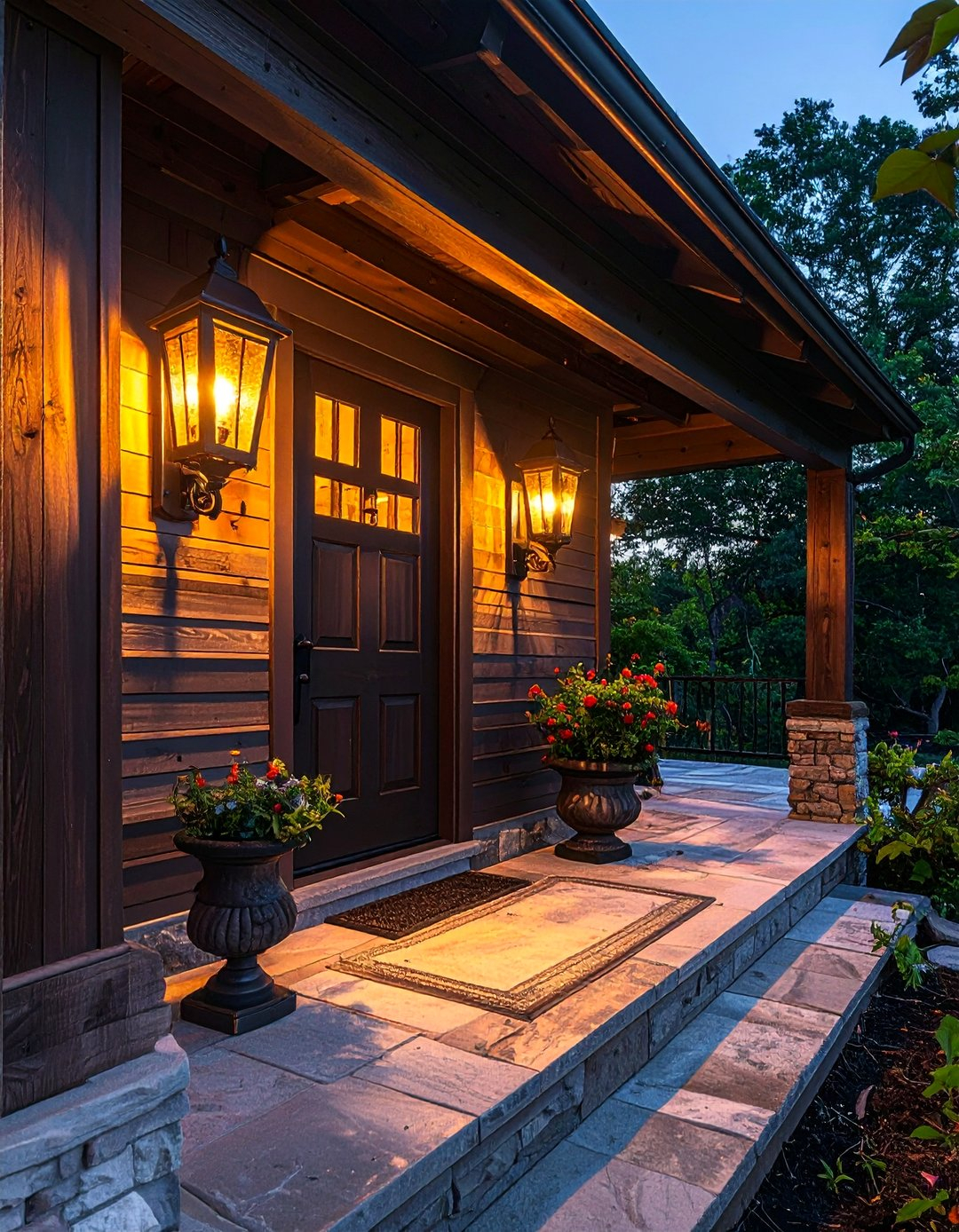
Lighting is another area where costs creep up. You want ambiance, right? Soft glow under the steps, uplighting for trees, path lights for safety. But running electrical lines to these locations isn’t cheap. It involves trenching, conduit, wiring, and connecting to your main panel. You’ll likely need a licensed electrician. Low-voltage systems are easier, but they still require careful planning. Transformer placement, wire gauge, and fixture quality all impact the final bill. Don’t treat lighting as an afterthought. Integrate it into the initial design to avoid costly retrofits.
Consider smart controls too. In 2026, everyone wants their lights on timers or controlled by phone apps. This adds complexity. You need compatible hardware and possibly a hub system. While convenient, these features add to the upfront cost. Balance desire with necessity. Do you really need color-changing LEDs, or will warm white suffice? Prioritize function over flash. Good lighting enhances safety and usability. Fancy lighting is just a bonus. Spend wisely on the basics first.
Labor Shortages and Timing Premiums
Let’s talk about the human element. Skilled labor is scarce. Good masons, excavators, and electricians are in high demand. This drives up prices. In peak seasons—spring and early summer—you’ll pay a premium. Everyone wants their patio done before summer BBQ season. If you can flex your timeline, consider scheduling in late fall or winter. Contractors are often hungrier for work during these slower months. You might negotiate a better rate. Just be aware that weather delays are more likely.
Rushing a project also costs more. If you need your patio done in two weeks for a wedding or event, expect to pay expedite fees. Contractors might have to pull crews from other jobs or pay overtime. This disrupts their schedule and increases their costs, which they pass on to you. Plan ahead. Give yourself a buffer. A realistic timeline reduces stress and saves money. Patience is a virtue that pays dividends in construction.
Communication is key here. Be clear about your budget from the start. A good contractor will tell you what’s feasible. They might suggest phasing the project. Build the base and main patio now, add the fire pit later. This spreads the cost over time. It also allows you to adjust based on experience. Maybe you realize you don’t need as much lighting as you thought. Phasing gives you flexibility. It prevents the shock of one massive bill.
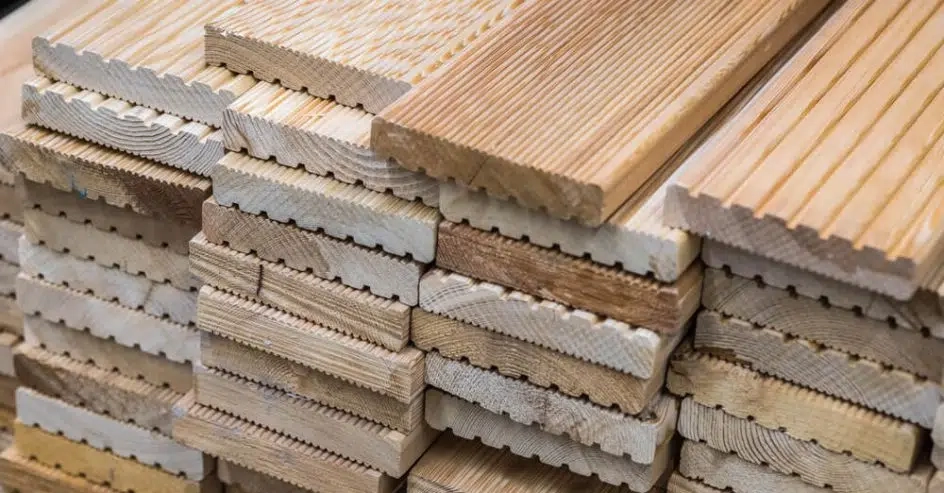
A luxury patio isn’t a one-time purchase. It’s a long-term commitment. Different materials have different maintenance needs. Natural stone might need sealing every few years to prevent staining. Wood decks require annual cleaning and staining. Even high-end composite materials need occasional washing to prevent mold or mildew. Factor these ongoing costs into your budget. It’s not just about building it; it’s about keeping it beautiful.
Think about durability too. Cheap materials might look good initially but degrade quickly. Cracking pavers, fading colors, and loose joints are signs of poor quality. Replacing them is disruptive and expensive. Investing in high-quality materials upfront often saves money in the long run. They last longer and hold their value. Consider the lifecycle cost, not just the installation price. A patio that lasts twenty years is cheaper than one that needs replacing in five.
Also, consider resale value. A well-built, aesthetically pleasing patio adds value to your home. But a poorly executed one can be a liability. Buyers might see it as a problem to fix. Keep designs timeless. Avoid overly trendy elements that might look dated in a few years. Neutral colors and classic patterns age better. They appeal to a broader audience. Your patio should be an asset, not a deterrent. Think like an investor, not just a homeowner.
Building a luxury patio is a journey. It’s exciting, stressful, and rewarding. By understanding the hidden costs—from site prep to maintenance—you take control of the process. You avoid surprises. You make informed choices. Remember, it’s not just about spending less. It’s about spending smart. Plan thoroughly. Communicate clearly. Prioritize quality. Your future self, sitting on that perfect patio with a cold drink in hand, will thank you. It’s worth getting right.
[sps_html tag=”img” src=”https://cdn.northcarolinafinearchitecture.com/2026/06/best-balconies-patios-and-flat-decks-company-in-dunthorpe-or-2025-in-the-2026-guide-to-choosing-durable-materials-for-patios-and-decks-that-last.jpg” alt=”Best Balconies, Patios, And Flat Decks Company In Dunthorpe Or 2025 in The 2026 Guide to Choosing Durable Materials for Patios and Decks That Last” style=”width: 100%; height: auto;”]
[sps_html tag=”img” src=”https://cdn.northcarolinafinearchitecture.com/2026/06/50-sustainable-materials-for-a-better-future-for-outdoor-living-design.png” alt=”50+ Sustainable Materials For A Better Future for Outdoor Living Design” style=”width: 100%; height: auto;”]
[sps_html tag=”img” src=”https://cdn.northcarolinafinearchitecture.com/2026/06/tips-for-choosing-the-best-materials-for-durable-and-stylish-patio-with-regard-to-the-2026-guide-to-choosing-durable-materials-for-patios-and-decks-that-last.jpg” alt=”Tips For Choosing The Best Materials For Durable And Stylish Patio … with regard to The 2026 Guide to Choosing Durable Materials for Patios and Decks That Last” style=”width: 100%; height: auto;”]
[sps_html tag=”img” src=”https://cdn.northcarolinafinearchitecture.com/2026/06/choosing-the-best-patio-material-a-comprehensive-guide-for-outdoor-living-design.jpg” alt=”Choosing The Best Patio Material: A Comprehensive Guide for Outdoor Living Design” style=”width: 100%; height: auto;”]
[sps_html tag=”img” src=”https://cdn.northcarolinafinearchitecture.com/2026/06/decking-materials-demystified-your-ultimate-guide-to-choosing-the-with-outdoor-living-design.png” alt=”Decking Materials Demystified: Your Ultimate Guide To Choosing The … with Outdoor Living Design” style=”width: 100%; height: auto;”]