There is something primal about gathering around a fire. It pulls us in. We lean forward, faces warmed by the glow, voices dropping to a hush as the flames dance. It’s the heart of the backyard party, the end-of-day decompression spot, the place where stories get told. But here’s the thing most of us don’t think about until it’s too late: that warmth comes with a hidden cost if you cut corners.
We see the pretty pictures on social media. Stone circles, sleek metal bowls, twinkling lights overhead. It looks easy. You buy a kit, dig a hole, stack some rocks, and boom—you’re done. Right? Well, not exactly. Beneath the aesthetic appeal lies a web of safety nuances that rarely make it into the instruction manual. These aren’t just minor details; they are the difference between a memorable evening and a catastrophic one.
Most homeowners focus on how the fire pit looks. They worry about matching the stone to the patio or choosing the right height for comfort. But the real work happens before you even light the first match. It’s in the soil composition, the wind patterns, and the invisible lines running under your grass. Let’s talk about what actually keeps you safe, because ignoring these hidden traps is a gamble nobody should take.
The Myth of the "Safe Distance
You’ve probably heard the rule: keep it ten feet away from the house. It’s a common standard, tossed around by neighbors and hardware store clerks alike. But in 2026, with homes built closer together and landscaping more dense than ever, ten feet is often a dangerous illusion. Why? Because heat doesn’t travel in a straight line. It radiates. It jumps. And wind carries embers much farther than you’d expect.
Many local codes now recommend, or even mandate, a clearance of 25 feet from any structure. This includes your house, yes, but also your shed, your fence, and even that beloved old oak tree. Think about the overhangs. Those leafy branches might seem high enough, but a sudden gust can lift a spark twenty feet up in seconds. If your roof is made of wood shingles or has dry leaves trapped in the gutters, you are essentially lighting a fuse. Don’t rely on guesswork. Pull out a tape measure. If you’re squeezing it into a corner to save space, you’re playing with fire—literally.
And it’s not just about vertical structures. Look horizontally. Are there wooden deck railings nearby? Vinyl siding that could melt? Even the paint on your exterior walls can blister if the heat is intense enough. The "safe zone" isn’t a static circle; it’s a dynamic buffer that needs to account for everything flammable within a wide radius. If you can smell smoke inside your house when the fire is going, you are too close. Period.
The Ground Beneath Your Feet
Here is a mistake that ruins backyards every single summer: building a fire pit directly on top of a lawn or, worse, a wooden deck. Fire generates immense heat. That heat has to go somewhere. If it goes down, it cooks the ground. On a lawn, this kills the grass instantly, leaving a dead, ugly scar. But underneath that grass? There could be irrigation lines, gas pipes, or electrical conduits.
Digging without checking for utilities is a classic blunder. Before you break ground, call your local utility marking service. It’s free, and it saves you from hitting a gas line. But even if you avoid the pipes, the soil itself matters. Clay soil retains heat like an oven. Sand drains it away. If you build a pit on clay without a proper heat shield or base, you can bake the earth so thoroughly that it becomes hydrophobic, meaning water will just run off it instead of soaking in. This creates drainage issues later.
For those wanting to place a pit on a patio or deck, the rules are stricter. You need a non-combustible barrier. A simple paver base isn’t always enough. You need a dedicated fire-rated pad that extends well beyond the edge of the pit. Sparks fall. Coals roll. If your deck is composite material, it can warp or catch fire from radiant heat alone, even without direct flame contact. Never assume your concrete slab is thick enough to insulate the ground below. Heat travels through concrete, too.
Choosing the Wrong Rocks (Yes, Rocks Can Explode)
This sounds like an urban legend, but it is terrifyingly real. Not all stones are created equal. If you go to a riverbed or a quarry and pick up random rocks to build your ring, you are taking a massive risk. Many natural stones, especially those that are porous or have been submerged in water, trap moisture inside their tiny crevices.
When you heat these rocks, the trapped water turns to steam. Steam expands. Rapidly. If the pressure builds up faster than the stone can vent it, the rock explodes. Shrapnel. Hot, sharp shards of stone flying at high velocity. It’s happened countless times. Limestone, sandstone, and river rocks are notorious offenders. They look rustic and charming, but they are ticking time bombs.
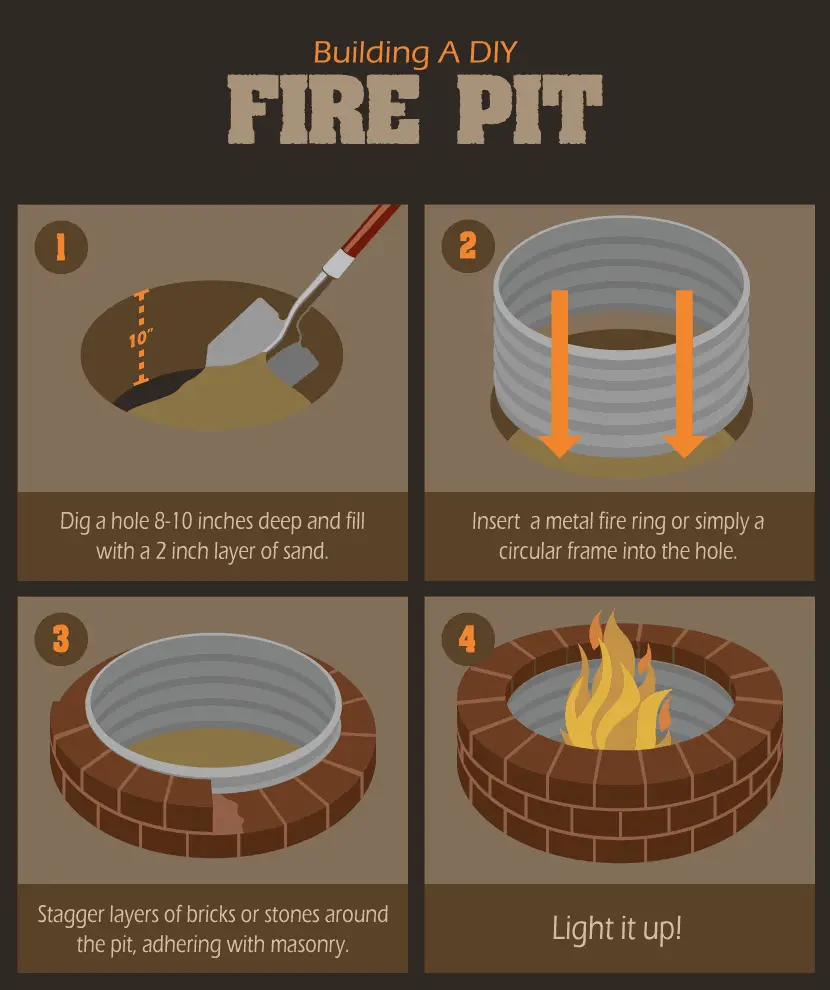
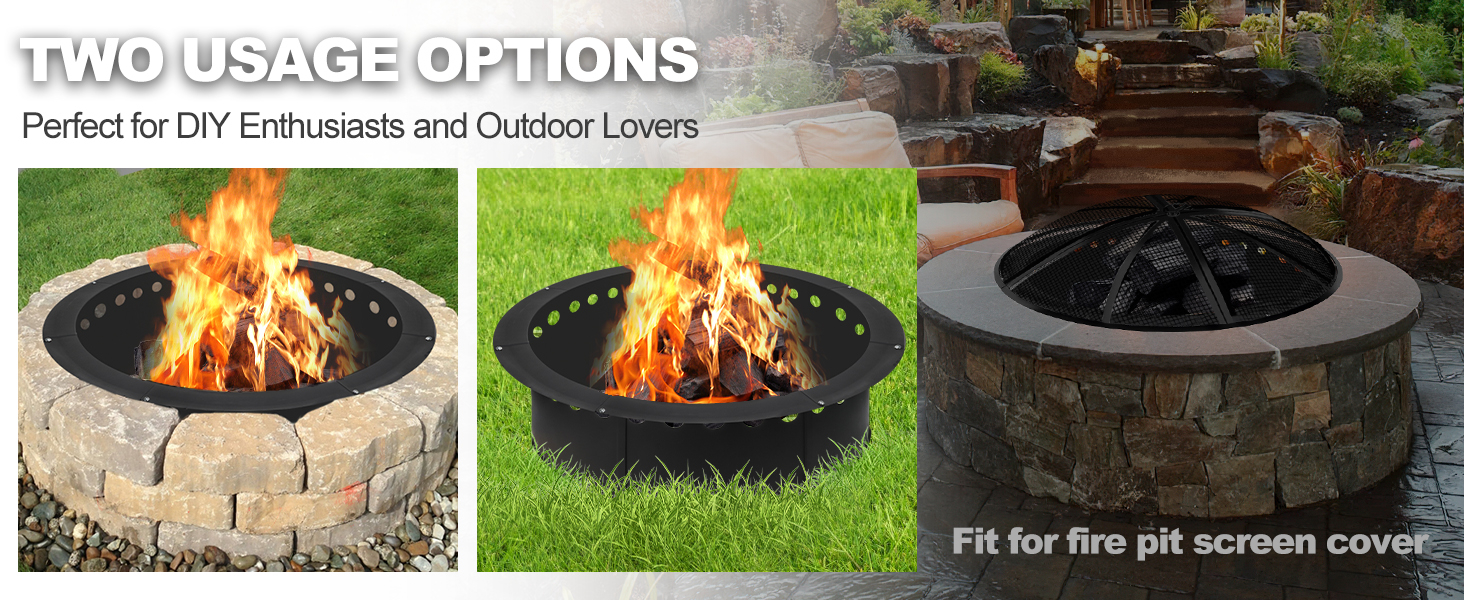
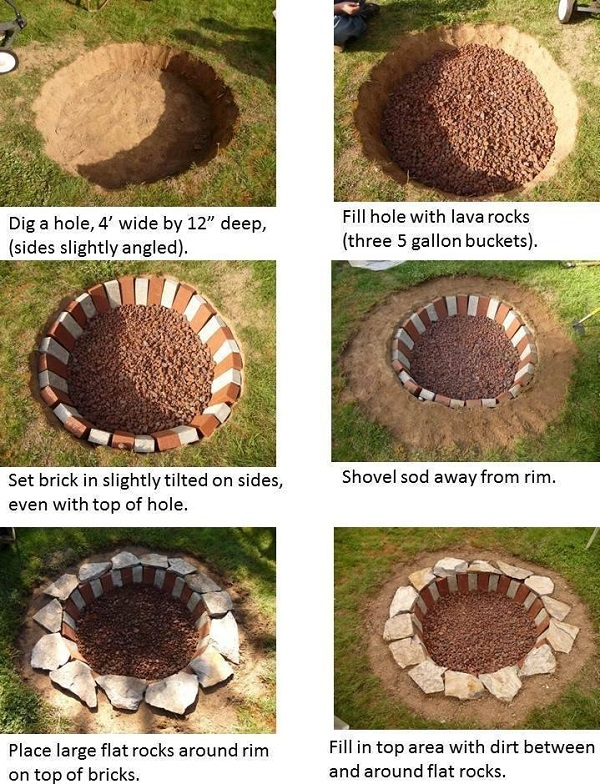
So, what should you use? Stick to fire-rated bricks, lava rock, or specifically manufactured fire pit kits. If you must use natural stone, choose dense, dry granite or fieldstone that has never been wet. But even then, it’s risky. The safest bet is to line the inside of your pit with a steel ring or a fire-brick liner. This contains the heat and protects the outer structural stones from thermal shock. Don’t skimp on the liner. It’s the only thing standing between a cozy fire and a trip to the emergency room.
The Wind Factor and Ember Travel
We tend to check the weather app for rain, but we ignore the wind. A gentle breeze feels nice when you’re roasting marshmallows. But that same breeze can carry embers hundreds of feet. In many suburban areas, fires have started blocks away from the source because a single glowing coal landed in a neighbor’s dry mulch or on a parched lawn.
Orientation matters. Before you build, observe your yard. Which way does the wind usually blow in the evening? You want the fire pit positioned so that the prevailing wind blows sparks away from your house and your neighbors’ properties, not toward them. If your yard is a wind tunnel between two buildings, reconsider the location. You might need to install a windbreak, but be careful—a solid wall can create turbulence that lifts embers higher. Permeable screens or strategic planting (with non-flammable species) are better options.
Also, consider the height of the flame. A tall, roaring fire looks impressive, but it’s harder to control. Keep your fires low and manageable. Use a spark screen. These are mesh covers that sit on top of the pit. They aren’t just for decoration; they physically block embers from escaping. In 2026, many municipalities require spark screens by law. Check your local ordinances. If you don’t have one, you’re likely violating code and risking a fine—or worse.
Fuel Sources: What You Burn Matters
It’s tempting to throw anything into the fire. Old pallets, treated lumber, leaves, trash. Don’t. Burning pressure-treated wood releases toxic chemicals like arsenic and copper into the air. You’re breathing that in. Your kids are breathing that in. It settles on your patio furniture and your food. It’s nasty stuff. Similarly, burning garbage or plastic creates black, acrid smoke that clings to everything and can cause respiratory issues.
Stick to seasoned hardwoods like oak, maple, or hickory. They burn hot and clean. Avoid softwoods like pine if you can, as they contain more sap, which leads to excessive popping and sparking. If you’re using a gas fire pit, ensure the connections are leak-free. Use a soapy water solution to check for bubbles at the joints. Gas leaks are invisible and odorless until it’s too late.
And let’s talk about accelerants. Never, ever use gasoline or lighter fluid to start a wood fire. The fumes can ignite explosively, causing a fireball that can singe your eyebrows and set your clothes on fire. Use kindling, newspaper, or natural fire starters. Patience is key. A fire built slowly is a fire that burns safely. Rushing it introduces volatility that you don’t need.
Legalities and the "Neighbor Test
Before you lay a single brick, check your local laws. In 2026, regulations are tighter than ever due to climate concerns and increased wildfire risks in many regions. Some towns ban wood-burning pits entirely. Others require permits. Some have specific "burn bans" during certain times of the year. Ignorance is not a defense. If you get fined, you pay. If your fire escapes, you’re liable for damages.
But beyond the law, there’s the "Neighbor Test." Have you talked to the people next door? Show them your plan. Ask if they have concerns. Maybe they have a baby who sleeps near the window facing your yard. Maybe they have a severe asthma condition. Being a good neighbor means considering how your fire affects them. Smoke drift is a major source of conflict. If the smoke blows into their patio every time you light up, you’re going to have problems.
Consider installing a carbon monoxide detector near the seating area, especially if you’re in a semi-enclosed space. CO is silent and deadly. While rare in open-air pits, poor ventilation in covered patios can lead to buildup. It’s a small investment for peace of mind. And always, always have a fire extinguisher or a bucket of sand nearby. Water isn’t always best for grease or gas fires, so know what type of extinguisher you need. Class A for wood, Class B for liquids/gas.
Building a fire pit is about creating a space for connection. It’s about the laughter, the quiet moments, the shared warmth. But that joy is fragile. It depends on respect for the elements. By paying attention to the hidden details—the distance, the ground, the rocks, the wind, the fuel, and the rules—you protect that joy. You ensure that the only thing burning is the wood, not your peace of mind.
Take the time to do it right. Measure twice. Dig carefully. Choose your materials wisely. Talk to your neighbors. It might seem like a lot of hassle when you just want to roast a hot dog. But think of it as an insurance policy for your memories. A safe fire pit is a lasting one. It’s a feature you’ll enjoy for years, not a liability you’ll regret in minutes.
So, as you plan your backyard oasis, remember: safety isn’t a buzzkill. It’s the foundation. It’s what allows you to relax fully, to lean back in your chair, and to watch the stars without looking over your shoulder. Build smart. Burn safe. And enjoy the glow.
[sps_html tag=”img” src=”https://cdn.northcarolinafinearchitecture.com/2026/05/25-diy-brick-fire-pit-ideas-build-a-fire-pit-with-bricks-regarding-the-hidden-mistakes-most-people-make-when-building-their-first-outdoor-fire-pit.jpg” alt=”25 Diy Brick Fire Pit Ideas: Build A Fire Pit With Bricks regarding The hidden mistakes most people make when building their first outdoor fire pit” style=”width: 100%; height: auto;”]
[sps_html tag=”img” src=”https://cdn.northcarolinafinearchitecture.com/2026/05/build-your-own-diy-smokeless-fire-pit-fixthisbuildthat-for-the-hidden-mistakes-most-people-make-when-building-their-first-outdoor-fire-pit.jpg” alt=”Build Your Own Diy Smokeless Fire Pit | Fixthisbuildthat for The hidden mistakes most people make when building their first outdoor fire pit” style=”width: 100%; height: auto;”]
[sps_html tag=”img” src=”https://cdn.northcarolinafinearchitecture.com/2026/05/expert-guide-to-fire-pit-area-design-for-stunning-outdoor-spaces-with-regard-to-the-hidden-mistakes-most-people-make-when-building-their-first-outdoor-fire-pit.jpg” alt=”Expert Guide To Fire Pit Area Design For Stunning Outdoor Spaces with regard to The hidden mistakes most people make when building their first outdoor fire pit” style=”width: 100%; height: auto;”]
[sps_html tag=”img” src=”https://cdn.northcarolinafinearchitecture.com/2026/05/how-to-build-a-fire-pit-pertaining-to-outdoor-fire-pit-design.jpg” alt=”How To Build A Fire Pit pertaining to Outdoor Fire Pit Design” style=”width: 100%; height: auto;”]
[sps_html tag=”img” src=”https://cdn.northcarolinafinearchitecture.com/2026/05/how-to-fix-a-hole-in-a-metal-fire-pit-the-tube-intended-for-the-hidden-mistakes-most-people-make-when-building-their-first-outdoor-fire-pit.jpg” alt=”How To Fix A Hole In A Metal Fire Pit | The Tube intended for The hidden mistakes most people make when building their first outdoor fire pit” style=”width: 100%; height: auto;”]