Ever walked out onto your patio at night and felt like something was missing? The furniture is nice, the plants are thriving, but the vibe feels… flat. It’s dark. It’s quiet. It lacks that certain je ne sais quoi that makes you want to stay out there for hours. You’re not alone. Most of us treat our outdoor spaces as daytime extensions of our homes, forgetting that the magic really happens when the sun goes down. And the secret weapon? Those vertical structures holding up your roof or framing your view. Yes, we’re talking about columns.
For years, columns were just seen as structural necessities. Boring supports. Things you ignored unless they needed painting. But in 2026, the design world has flipped the script. We now know that columns are the perfect canvas for lighting. They are tall, prominent, and strategically placed. When you light them right, they don’t just illuminate a space; they define it. They create drama, warmth, and an architectural rhythm that draws the eye and soothes the soul. It’s not about blasting bright light everywhere. It’s about nuance. It’s about shadow and glow. Let’s dive into how you can turn those silent sentinels into the stars of your outdoor show.
The Art of the Uplight: Creating Drama from Below
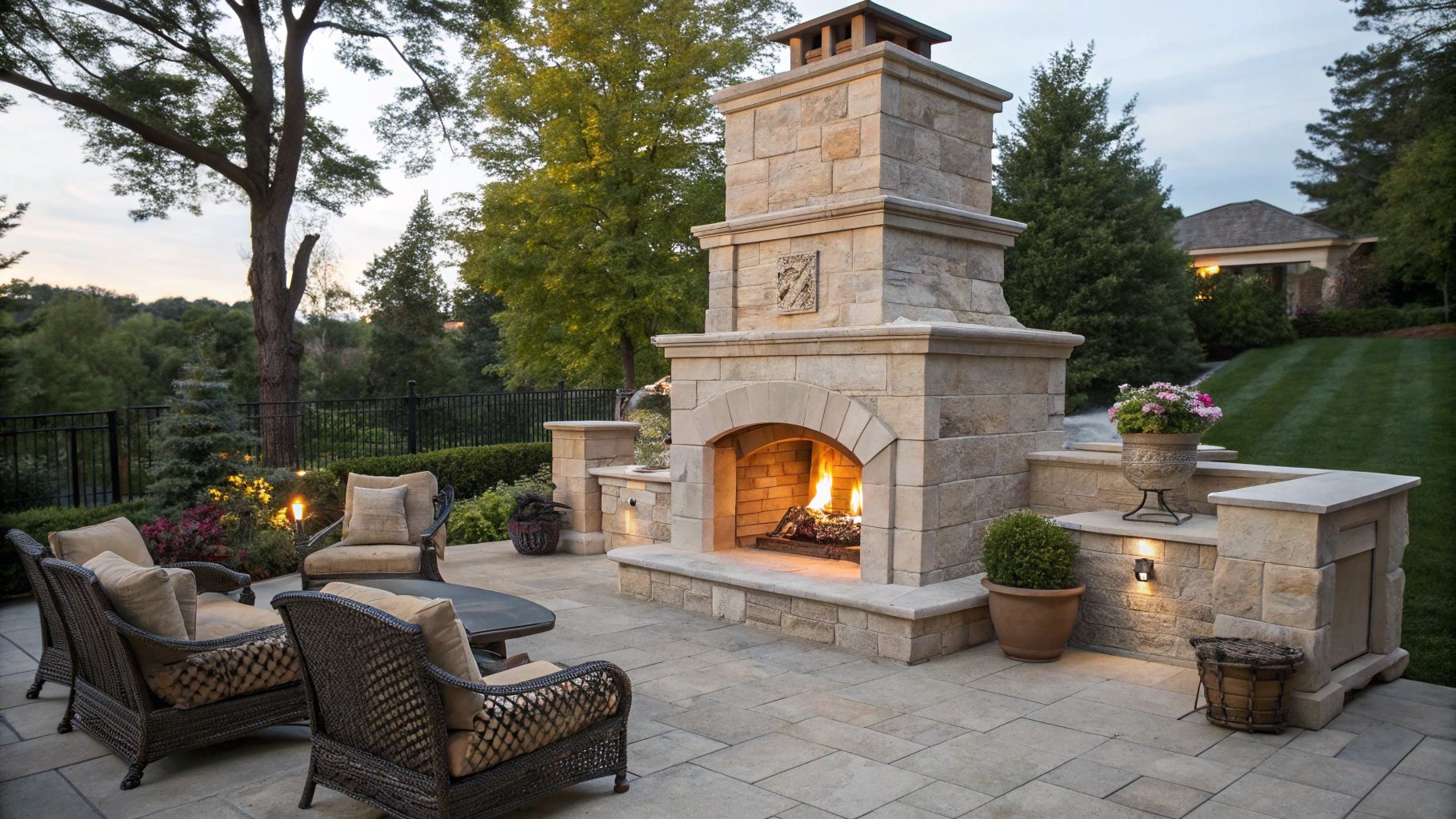
Let’s start with the most classic technique, because sometimes the old ways are the best ways. Uplighting is simple in concept but profound in effect. You place a light fixture at the base of the column, pointing upward. This washes the surface with light, highlighting the texture of the material whether it’s rough stone, smooth stucco, or fluted wood. In 2026, the trend has moved away from harsh, white floodlights. People are craving warmth. We’re talking about soft amber tones, maybe even a slight golden hue that mimics candlelight.
Why does this work so well? Because it reverses how we normally see things. During the day, sunlight comes from above, casting shadows downward. At night, uplighting casts shadows upward, which feels mysterious and dramatic. It makes the column look taller, more imposing, and elegant. If you have textured columns, like those made of stacked stone or brick, uplighting catches every nook and cranny, creating a rich tapestry of light and dark. It’s visual interest without clutter. You aren’t adding new objects; you’re just revealing what’s already there in a new way.
But here’s the trick: placement matters. Don’t just plop a spotlight right against the base. Pull it back a foot or two. This creates a wider wash of light and prevents that harsh "hot spot" where the bulb is too close. Also, consider the beam angle. A narrow beam creates a focused, theatrical look, while a wide beam offers a softer, more ambient glow. For a modern twist, try using adjustable LED fixtures that let you change the angle seasonally. In the summer, you might want a wider spread to catch more of the surrounding foliage. In winter, a tighter beam might look cozier against the bare structure. It’s all about tweaking until it feels right.
Wrapping Warmth: String Lights and Spiral Effects
If uplighting is about drama, string lights are about whimsy. There’s something undeniably charming about wrapping lights around a column. It reminds us of holiday seasons, of festivals, of celebration. But you don’t need a holiday excuse to do this. In fact, permanent or semi-permanent spiral lighting has become a huge trend in patio design recently. Imagine a gentle spiral of Edison bulbs winding up a white wooden column. It adds a vertical line of sight that draws the eye upward, making your ceiling feel higher and your space more open.
The key here is spacing. Too tight, and it looks chaotic. Too loose, and it looks sparse. A good rule of thumb is to keep the wraps about four to six inches apart. This creates a consistent rhythm that feels intentional rather than accidental. And please, avoid the cheap, plastic-looking fairy lights that blink in annoying patterns. Go for quality. Look for commercial-grade string lights with large, clear bulbs. The filament inside should be visible, adding a vintage touch that pairs beautifully with both modern and traditional decor.
You can also mix materials. If you have a rustic wood column, try wrapping it with copper-wire LED strands for a subtle, twinkling effect that’s less intrusive than big bulbs. Or, combine the spiral with some greenery. Wrap the column with ivy or jasmine first, then weave the lights through the leaves. During the day, you have a lush, living column. At night, it becomes a glowing lantern. This biophilic approach—blending nature and technology—is huge in 2026. It softens the hard lines of architecture and makes the space feel alive. Just make sure you use outdoor-rated lights and secure them with clear clips so you don’t damage the plant or the column surface.
Hidden Glows: Recessed and Integrated Lighting Solutions
Sometimes, the best light is the light you can’t see. This is where integrated lighting comes in. Instead of attaching fixtures to the outside of the column, you build the light into the structure itself. This might sound complicated, but with modern LED technology, it’s easier than ever. Think of LED strips tucked into grooves or channels carved into the column. Or perhaps small recessed puck lights installed at the top, shining down the sides. The result is a sleek, minimalist look that feels high-end and custom.
This approach works particularly well with modern or contemporary homes. If your patio features clean lines and smooth surfaces, bulky fixtures can look out of place. Integrated lighting keeps the aesthetic pure. For example, imagine a square concrete column with a thin vertical channel running down one side. Inside that channel, a warm LED strip glows softly. It creates a line of light that acts as a beacon, guiding people through the space without being blinding. It’s subtle, sophisticated, and incredibly effective.
Another cool option for 2026 is the use of smart glass or translucent materials. Some newer column designs incorporate panels of frosted glass or acrylic that diffuse light from within. You install the light source inside the hollow column, and the entire structure becomes a giant lamp. This is great for creating a soft, ambient glow that illuminates a large area without harsh shadows. It’s like having a floor lamp, but for your outdoors. Of course, this requires planning during the construction phase, but if you’re renovating or building new, it’s worth considering. The effect is mesmerizing, especially when paired with dimmers that let you control the intensity based on the mood of the evening.
Top-Down Elegance: Pendant and Hanging Fixtures
We’ve talked about lighting from the bottom and the middle, but what about the top? Hanging lights from or above columns is a classic move that never goes out of style. It defines the seating area below and creates a sense of enclosure. Think of it as creating an outdoor room. By hanging a pendant light or a small chandelier from the beam connecting two columns, you anchor the space. It tells guests, "This is where we gather. This is where we talk."
In recent years, the styles have diversified. You’re not limited to traditional lanterns anymore. You can find industrial-style cages, woven rattan shades, or even sculptural metal pieces that look like art. The material you choose should complement your column material. If you have stone columns, a wrought iron lantern adds a nice contrast of textures. If you have wood columns, a woven basket pendant adds warmth and organic feel. The goal is harmony, not matchiness.
Height is crucial here. You want the light to be low enough to feel intimate but high enough that people won’t bump their heads. A good standard is about seven feet from the floor to the bottom of the fixture. If you have high ceilings, you can go higher, but make sure the light still feels connected to the human scale. Also, consider using multiple pendants if you have a long row of columns. A series of three or four lights creates a rhythmic pattern that guides the eye along the patio. It’s like a necklace for your home. And don’t forget the bulbs! Use dimmable LEDs with a warm color temperature (around 2700K) to keep the vibe relaxed and inviting.
Shadow Play: Using Silhouettes and Cutouts
Light isn’t just about illumination; it’s about shadow. One of the most creative ways to use column lighting is to play with silhouettes. This involves placing a light source behind or inside a column that has cutouts or perforations. The light shines through the holes, casting intricate patterns on the ground or nearby walls. It’s like having a giant gobo projector built into your architecture. This technique adds a layer of visual complexity that changes as you move around the space.
You can achieve this with custom metal wraps for your columns. Imagine a stainless steel sleeve with laser-cut geometric patterns wrapped around a plain concrete pillar. At night, when lit from within, it casts beautiful shapes on the patio floor. Or, if you have wood columns, you can attach decorative lattice panels and backlight them. The interplay of light and shadow creates a dynamic environment that feels alive and changing. It’s particularly effective for creating a romantic or exotic atmosphere.
This approach also allows for personalization. You can choose patterns that reflect your personality or cultural heritage. Mandalas, leaf motifs, abstract lines—the options are endless. In 2026, customizable LED panels are more affordable, making this accessible to more homeowners. You can even use color-changing LEDs to shift the mood. Blue for a cool summer night, orange for a cozy autumn evening. The shadow patterns will take on the hue of the light, transforming the entire feel of the patio. It’s a bit more involved than just plugging in a lamp, but the payoff is a truly unique space that feels curated and special.
Finally, let’s talk about control. Having beautiful lights is one thing; being able to manage them easily is another. In 2026, smart home technology is no longer a luxury; it’s a standard expectation. Integrating your column lighting into a smart system allows you to control everything from your phone or voice assistant. You can set schedules, create scenes, and adjust brightness without ever leaving your chair. This convenience encourages you to actually use your lighting, rather than leaving it off because it’s a hassle to turn on.
Imagine this: You’re hosting a dinner party. With a single command, your column uplights dim to 50%, the string lights brighten slightly, and the color temperature shifts to a warm, golden hue. The mood is set instantly. Later, when everyone leaves, you can turn everything off with a tap. Or, set them to turn on automatically at dusk, so you always come home to a welcoming glow. Security is another benefit. Smart lights can be programmed to turn on and off randomly when you’re away, deterring potential intruders.
But beyond convenience, smart controls allow for experimentation. You can try different combinations of lights to see what works best. Maybe you prefer just the uplights on weekdays for a subtle look, and all the lights on weekends for entertaining. The flexibility lets you adapt your space to your life. Plus, many smart systems offer energy monitoring, helping you keep track of usage and save on electricity bills. LED technology is already efficient, but smart controls take it to the next level by ensuring lights are only on when needed. It’s a small investment that pays off in both ambiance and efficiency.
So, there you have it. Six ways to transform your patio columns from boring supports into stunning lighting features. Whether you prefer the drama of uplighting, the whimsy of string lights, the sleekness of integrated LEDs, the elegance of pendants, the artistry of shadow play, or the convenience of smart controls, there’s an option for every style and budget. The key is to think of your columns not just as structure, but as opportunities. Opportunities to add warmth, character, and magic to your outdoor life.
Don’t feel pressured to do everything at once. Start with one idea. Maybe just uplight one column and see how it feels. Live with it for a week. Notice how it changes the space at different times of night. Then, add another element. Lighting is layered. It’s built over time. And the best part? It doesn’t have to be perfect. It just has to feel right to you. After all, your patio is your retreat. It’s where you unwind, connect, and breathe. Making it beautiful at night is a gift to yourself. So go ahead. Flip the switch. See what happens. You might just find your new favorite spot in the whole house.
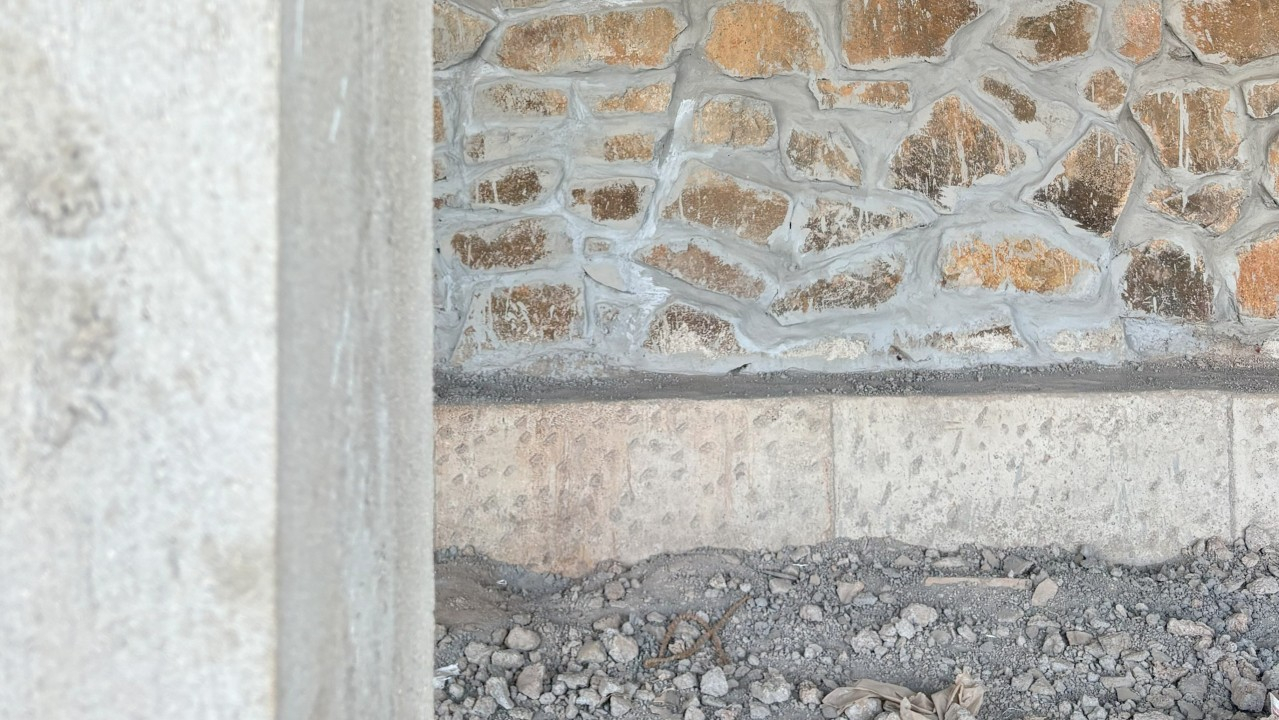
[sps_html tag=”img” src=”https://cdn.northcarolinafinearchitecture.com/2026/06/17-best-images-about-garden-columns-on-pinterest-gardens-wisteria-with-choosing-materials-that-age-beautifully-for-your-outdoor-columns.jpg” alt=”17 Best Images About Garden Columns On Pinterest | Gardens, Wisteria … with Choosing Materials That Age Beautifully for Your Outdoor Columns” style=”width: 100%; height: auto;”]
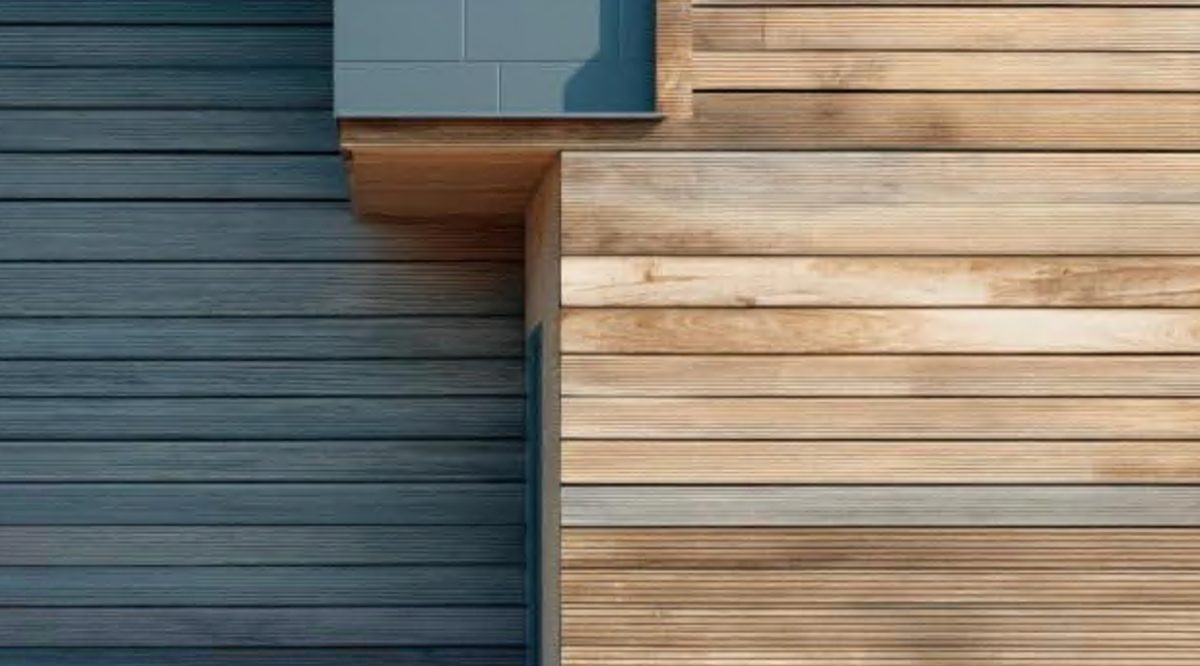
[sps_html tag=”img” src=”https://cdn.northcarolinafinearchitecture.com/2026/06/cedar-vs-composite-decking-choosing-the-best-material-for-your-regarding-choosing-materials-that-age-beautifully-for-your-outdoor-columns.jpg” alt=”Cedar Vs. Composite Decking: Choosing The Best Material For Your … regarding Choosing Materials That Age Beautifully for Your Outdoor Columns” style=”width: 100%; height: auto;”]
[sps_html tag=”img” src=”https://cdn.northcarolinafinearchitecture.com/2026/06/how-to-choose-materials-that-age-beautifully-throughout-outdoor-column-design.jpg” alt=”How To Choose Materials That Age Beautifully throughout Outdoor Column Design” style=”width: 100%; height: auto;”]
[sps_html tag=”img” src=”https://cdn.northcarolinafinearchitecture.com/2026/06/how-to-choose-exterior-materials-that-age-beautifully-not-just-look-intended-for-choosing-materials-that-age-beautifully-for-your-outdoor-columns.jpg” alt=”How To Choose Exterior Materials That Age Beautifully (Not Just Look … intended for Choosing Materials That Age Beautifully for Your Outdoor Columns” style=”width: 100%; height: auto;”]
[sps_html tag=”img” src=”https://cdn.northcarolinafinearchitecture.com/2026/06/achieving-the-perfect-english-cottage-exterior-a-complete-guide-a-pertaining-to-outdoor-column-design.png” alt=”Achieving The Perfect English Cottage Exterior: A Complete Guide - A … pertaining to Outdoor Column Design” style=”width: 100%; height: auto;”]