You know that feeling when you’re sitting in your living room, staring at the backyard, wishing you could just step outside without dealing with the bugs or the wind? It’s a common thought. We all crave that connection to nature, that extra bit of breathing space. But then reality hits. You think about the cost of building a whole new wing on your house. The permits. The months of construction noise. The dust everywhere. It’s enough to make you give up before you even start.
But what if there was a middle ground? A way to get that bright, airy feel and the extra square footage without emptying your savings account or turning your life upside down for half a year? That’s where the three-season room comes in. It’s not just a porch with screens anymore. In 2026, these spaces have evolved into sophisticated, stylish extensions of our homes that offer the best of both worlds. They are the smart alternative for homeowners who want more room to live, but don’t want the headache of a full-scale renovation.
Let’s be honest. Most of us don’t need a massive, heated, cooled, insulated box attached to our house. We need a place to drink coffee in the spring morning mist. A spot to read in the summer breeze. A cozy corner to watch the leaves fall in October. A three-season room gives you exactly that. It bridges the gap between the indoors and the outdoors, creating a sanctuary that feels open yet protected. And the best part? It costs a fraction of what a traditional addition does.
The Cost Difference Is Staggering
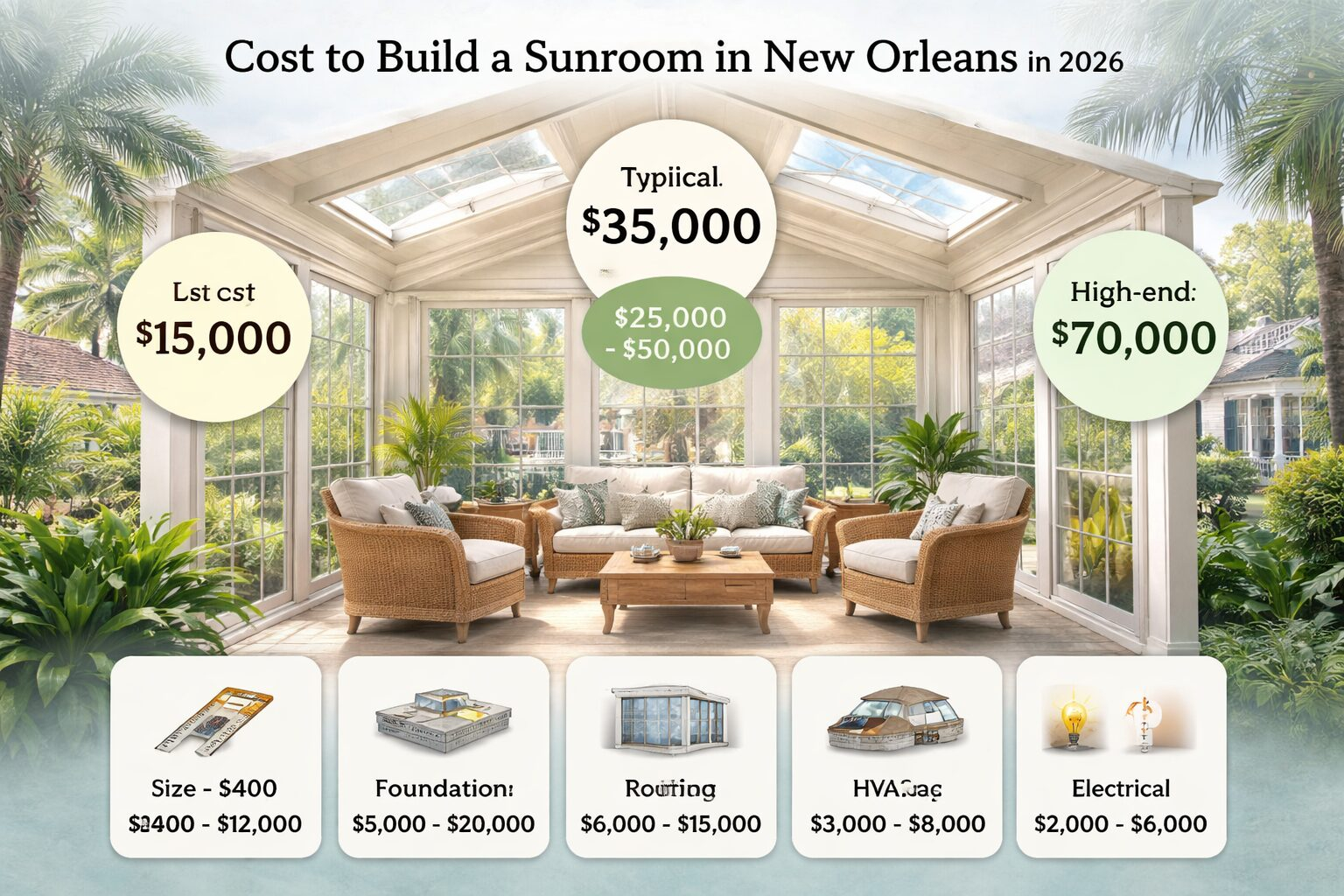
Let’s talk money first, because that’s usually the biggest hurdle. Building a full home addition in 2026 is expensive. Really expensive. You’re looking at foundation work, heavy insulation, HVAC extension, drywall, painting, and often, complex electrical and plumbing updates. Depending on where you live and the quality of finishes, a standard 200-square-foot addition can easily run you $60,000 to $100,000 or more. That’s a huge chunk of change. It’s the kind of project that requires a second mortgage or dipping deep into retirement funds.
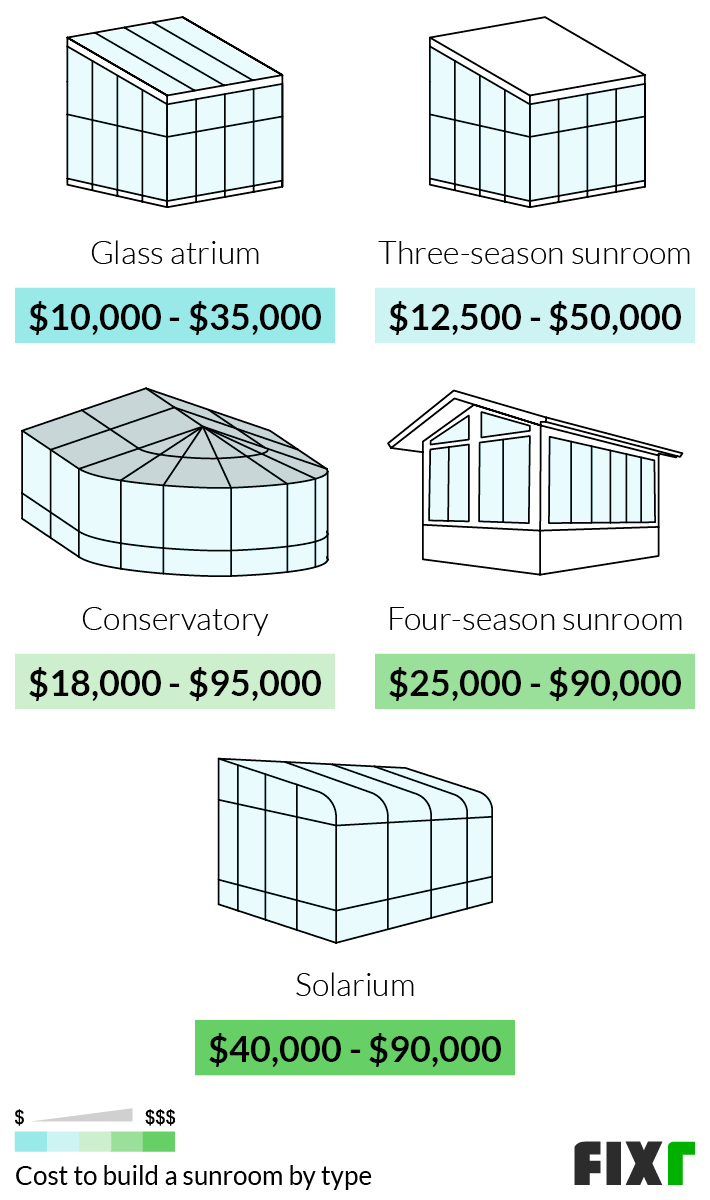
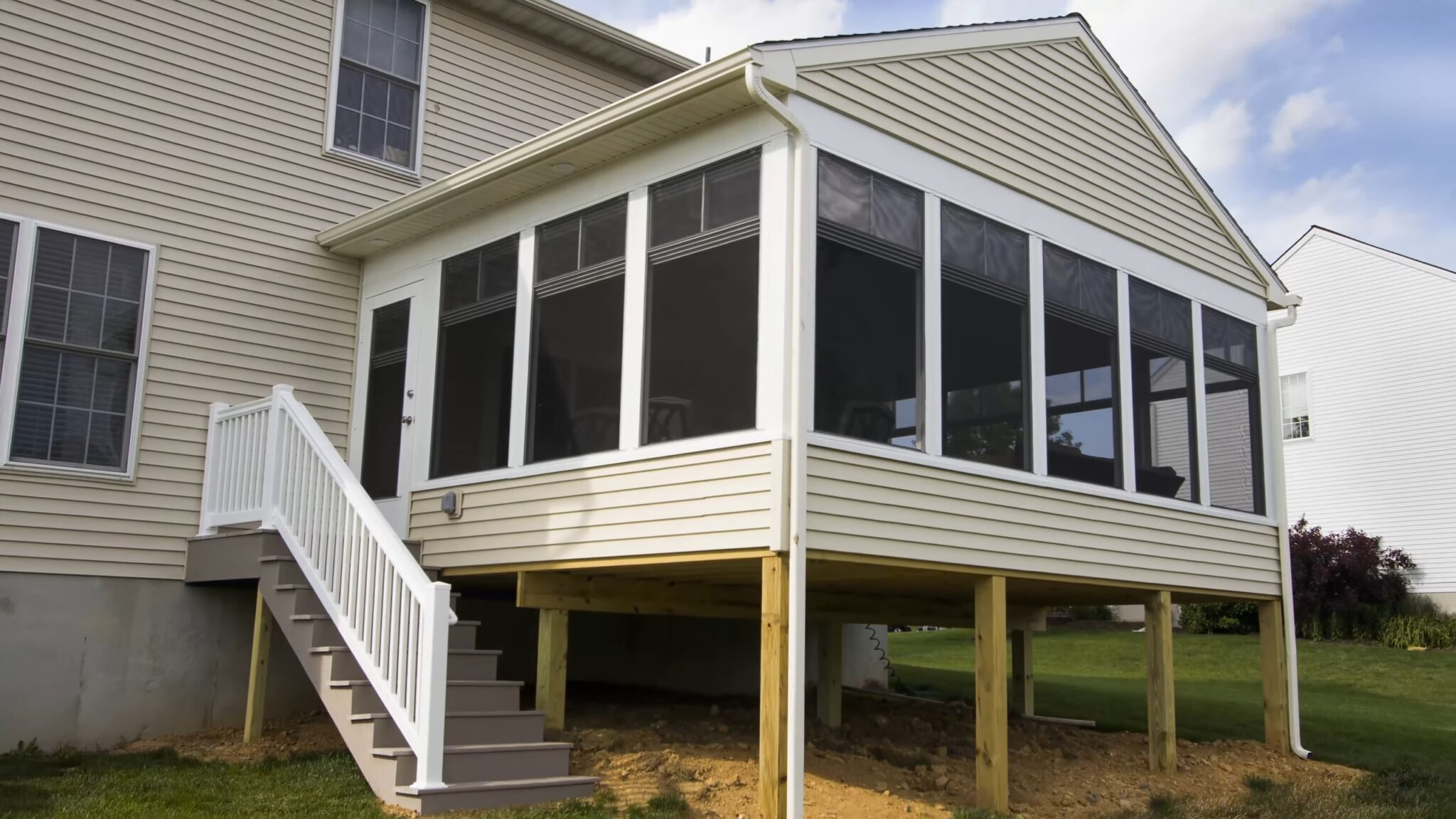
Now, compare that to a three-season room. Because these structures don’t require the same level of insulation or climate control infrastructure, the costs drop significantly. You’re still building a structure, yes. You need a foundation (or a reinforced deck), framing, windows, and roofing. But you aren’t tying it into your home’s central heating and cooling system. You aren’t installing thick, R-value heavy walls. This simplicity translates to savings. Most three-season rooms come in at roughly half the cost per square foot of a four-season addition. For many families, this means getting the space they need for $20,000 to $40,000 instead of breaking the bank.
It’s not just about the initial build cost either. Think about long-term maintenance. A full addition adds to your heated and cooled square footage, which means higher utility bills every single month. A three-season room, by design, is passive. You open windows when it’s nice, close them when it’s not. You might use a small space heater or a fan, but you aren’t conditioning the entire volume of air like you would in a living room. Over five or ten years, those energy savings add up. It’s a financially smarter move that respects your budget today and your wallet tomorrow.
Speed and Simplicity of Construction
Time is another huge factor. Have you ever lived through a home addition? It’s chaotic. Contractors are in and out. There’s noise starting at 7 AM. Dust settles on every surface you own. The project that was supposed to take three months often stretches to six or eight due to weather delays, material shortages, or permit issues. In 2026, while supply chains have improved, labor shortages in the construction industry still mean that finding a crew for a major addition can take months of waiting alone.
A three-season room is a much quicker process. Since the structural requirements are less complex, the build time is significantly shorter. Many prefabricated kits or modular designs can be assembled in a matter of weeks rather than months. Even custom-built three-season rooms typically take half the time of a full addition. This means less disruption to your daily life. You aren’t living in a construction zone for half a year. You get your space back, and you get to enjoy it, much sooner.
The simplicity also extends to the permitting process. In many municipalities, adding a conditioned, insulated space to your home triggers a host of strict building codes regarding energy efficiency, egress, and structural integration. A three-season room, often classified as an unconditioned sunspace or porch enclosure, may face fewer regulatory hurdles. Of course, you still need permits—never skip that step—but the approval process is often smoother and faster. This reduces the administrative stress and gets you from idea to reality with less red tape. It’s a relief, honestly. Who needs more paperwork in their life?
Connecting with Nature Without the Bugs
There is something primal about wanting to be outside. We spend so much of our modern lives indoors, staring at screens, under artificial light. It drains us. A three-season room solves this by flooding your home with natural light and offering views of your yard, garden, or landscape. But unlike a simple deck or patio, it keeps the annoyances of nature at bay. No mosquitoes buzzing around your dinner. No sudden rainstorms soaking your book. No wind blowing your napkins away.
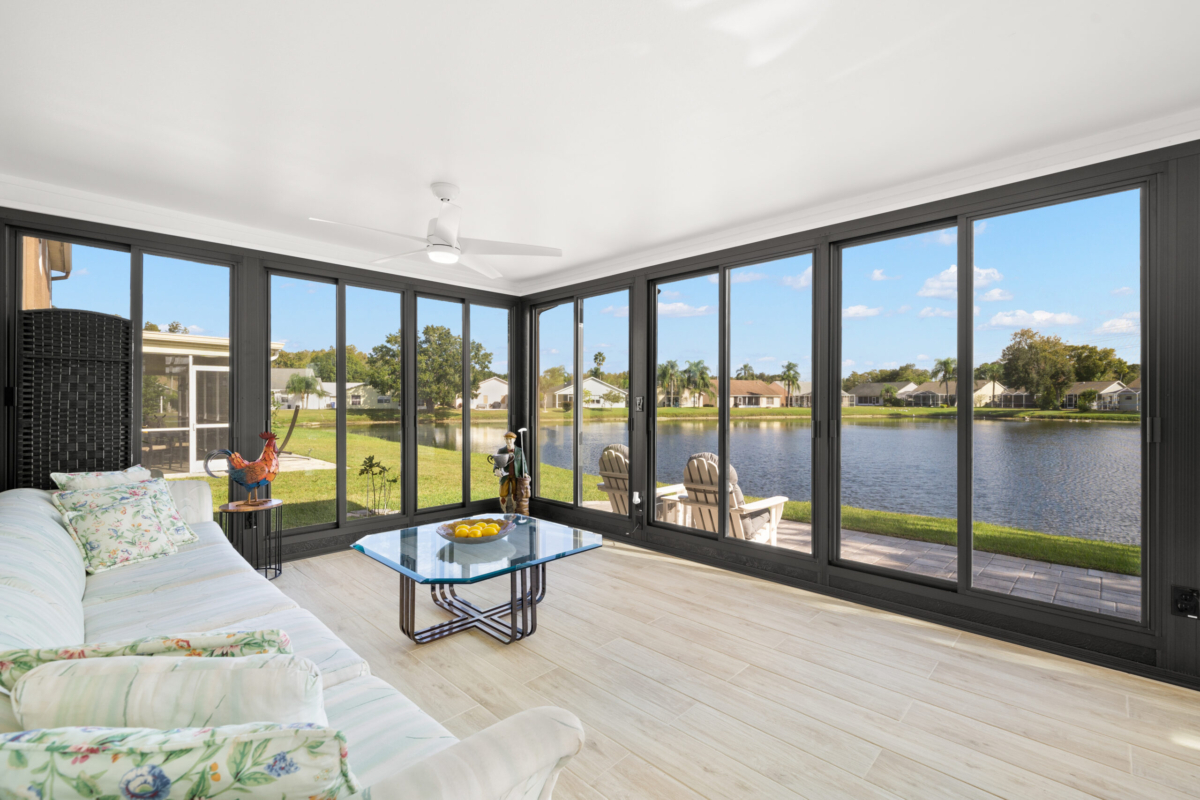
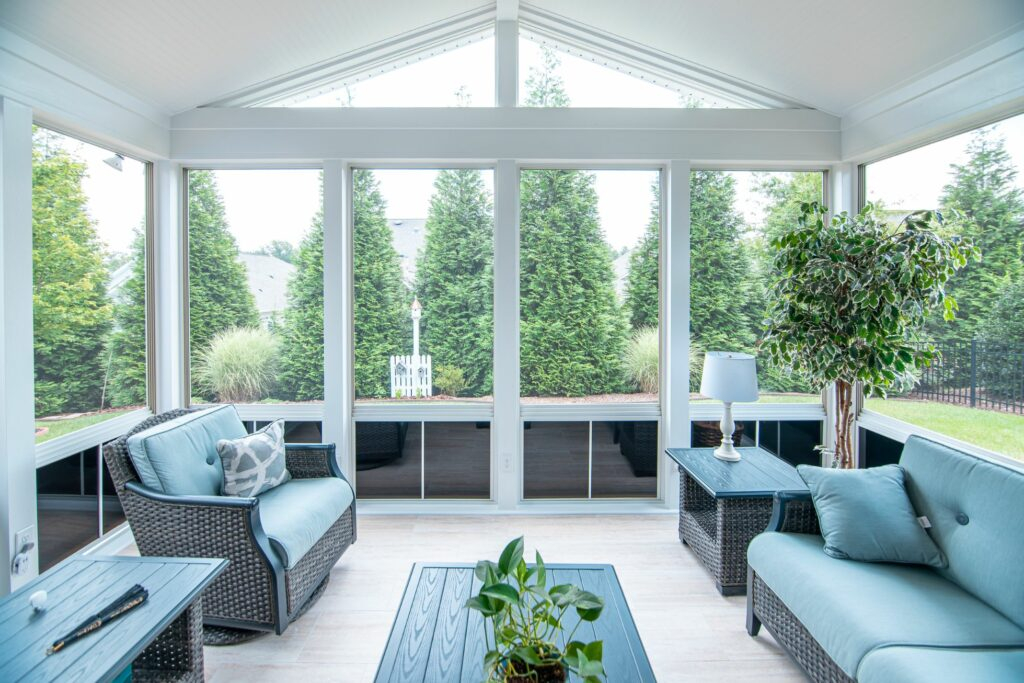
This balance is what makes these rooms so special. They feature large windows, often floor-to-ceiling, which blur the line between inside and outside. You get the visual expansion of your living area. Your home feels bigger, brighter, and more open. In the spring, you can open the windows wide to let in the fresh air and the scent of blooming flowers. In the summer, you have a shaded, breezy retreat from the heat. In the fall, you can curl up with a blanket and watch the colors change. It’s a dynamic space that changes with the seasons, keeping you connected to the rhythm of the year.
Consider the mental health benefits too. Access to natural light is proven to boost mood and regulate sleep cycles. By adding a glass-heavy structure to your home, you are essentially bringing the outdoors in. It creates a calming atmosphere that’s hard to replicate in a standard interior room. Whether you use it as a yoga studio, a reading nook, or a play area for kids, the connection to the outside world makes the space feel restorative. It’s not just extra square footage; it’s a wellness upgrade for your home. And lets face it, we could all use a bit more calm in 2026.
Versatility in Design and Use
One of the misconceptions about three-season rooms is that they are limited in how they can be used. People think, "Oh, it’s just a screened porch." But modern design has transformed these spaces into highly versatile rooms. Because they don’t have to match the exact thermal performance of your main house, you have more freedom with materials and aesthetics. You can go rustic with reclaimed wood floors and stone accents. Or you can go ultra-modern with sleek aluminum frames and minimalist furniture.
The functionality is endless. Do you work from home? A three-season room can be a fantastic office, providing a separation from the rest of the house while keeping you inspired by the view. Just add a good desk chair and maybe a small heater for those chilly mornings. Are you a plant lover? It’s the perfect greenhouse-like environment for your indoor jungle, giving them the light they need without the harsh direct sun of mid-July. Entertainers love them too. Imagine hosting a dinner party in a space that feels like you’re dining in a garden, but with the comfort of solid walls and real chairs.
In 2026, we are seeing a trend toward multi-functional spaces. Homes are smaller, or at least, we are trying to make them work harder. A three-season room adapts to your needs. It can be a gym in the morning, a lounge in the afternoon, and a stargazing spot at night. Because it’s not cluttered with the permanent fixtures of a kitchen or bathroom, it remains flexible. You can change the furniture, the decor, and the vibe with the seasons. This adaptability ensures that the room doesn’t become a "dead" space that you rarely use. It stays relevant and useful throughout the spring, summer, and fall months.
Resale Value and Market Appeal
When you invest in your home, you want to know it’s a smart financial decision. Does a three-season room add value? Absolutely. While it may not add to the official "heated square footage" appraisal in the same way a full addition does, it significantly boosts the appeal and marketability of your home. Buyers in 2026 are looking for lifestyle features. They want homes that offer relaxation, entertainment options, and a connection to the outdoors. A well-built, attractive three-season room checks all those boxes.
Real estate agents often highlight these spaces as "bonus rooms" or "sunrooms," which are strong selling points. They create an emotional response in potential buyers. Walking into a bright, sunny room with views of the backyard creates a sense of possibility. It helps a house stand out in a crowded market. While you might not recoup 100% of the cost in immediate resale value (few renovations do), the return on investment is solid, especially considering the lower initial outlay. It’s a high-impact upgrade that doesn’t carry the high price tag of a master suite expansion.
Moreover, it broadens the appeal of your property. Families see a play area. Couples see a romantic dinner spot. Remote workers see an office. By adding a versatile, desirable feature, you make your home attractive to a wider pool of buyers. It’s an investment in curb appeal and interior flow. And let’s not forget the enjoyment factor. Even if you never sell, the value you get from years of use and enjoyment is immeasurable. You are buying quality of life, which is arguably the best return on investment there is. Plus, it looks great in listing photos, wich helps a lot.
So, how do you decide if a three-season room is right for you? Start by assessing your climate and your lifestyle. If you live in an area with mild springs, summers, and falls, this is a no-brainer. If you have harsh winters, you need to accept that this room will likely be unused during the coldest months unless you add supplemental heating. But for most people, having a space for nine months of the year is plenty. It’s about realistic expectations. Don’t expect to host a Christmas party in there if you’re in Minnesota, but do expect to enjoy every minute of May through October.
Next, look at your existing layout. Where does the sun hit your house? A south-facing room will get the most light and warmth, making it usable earlier in the spring and later in the fall. An east-facing room is great for morning coffee lovers. Consider how the room will connect to your main living areas. Sliding glass doors or French doors that open directly from the kitchen or living room create a seamless flow, making the whole house feel larger. Think about privacy too. If your neighbors are close, you might want to incorporate landscaping or frosted glass elements to create a secluded feel.
Finally, choose your materials wisely. In 2026, there are excellent options for durable, low-maintenance windows and flooring. Composite decking materials resist rot and fading. Vinyl or aluminum window frames offer great insulation properties without the cost of wood. Invest in good quality screens if you plan to keep windows open often. And don’t skimp on the roof insulation—even if it’s not a heated space, a well-insulated roof prevents the room from becoming an oven in the summer. Take your time planning. Sketch out ideas. Look at examples online. The more thought you put into the design, the more you’ll love the result. It’s your sanctuary, after all.
Building a three-season room is one of the smartest moves you can make for your home in 2026. It offers a perfect blend of affordability, speed, and lifestyle enhancement. You get the extra space you’ve been dreaming of, the connection to nature you crave, and the financial peace of mind that comes with a manageable project. It’s not about compromising; it’s about choosing a smarter path. So, stop staring at that backyard wishing for more room. Start planning your three-season retreat. Your future self, sipping tea in the spring sunshine, will thank you.
[sps_html tag=”img” src=”https://cdn.northcarolinafinearchitecture.com/2026/06/three-season-sunroom-design-installation-lifestyle-remodeling-inside-three-season-room.jpg” alt=”Three Season Sunroom Design & Installation | Lifestyle Remodeling inside Three-Season Room” style=”width: 100%; height: auto;”]
[sps_html tag=”img” src=”https://cdn.northcarolinafinearchitecture.com/2026/06/new-orleans-sunroom-cost-guide-for-2026-in-three-season-room.jpg” alt=”New Orleans Sunroom Cost Guide For 2026 in Three-Season Room” style=”width: 100%; height: auto;”]
[sps_html tag=”img” src=”https://cdn.northcarolinafinearchitecture.com/2026/06/sunroom-addition-cost-cost-to-build-sunroom-inside-three-season-room.png” alt=”Sunroom Addition Cost | Cost To Build Sunroom inside Three-Season Room” style=”width: 100%; height: auto;”]
[sps_html tag=”img” src=”https://cdn.northcarolinafinearchitecture.com/2026/06/3-season-room-an-affordable-sunroom-alternative-inside-the-real-cost-of-building-a-three-season-sunroom-in-2026.jpg” alt=”3 Season Room: An Affordable Sunroom Alternative inside The Real Cost of Building a Three Season Sunroom in 2026″ style=”width: 100%; height: auto;”]
[sps_html tag=”img” src=”https://cdn.northcarolinafinearchitecture.com/2026/06/sunroom-addition-cost-is-it-worth-it-within-three-season-room.jpg” alt=”Sunroom Addition Cost: Is It Worth It? within Three-Season Room” style=”width: 100%; height: auto;”]