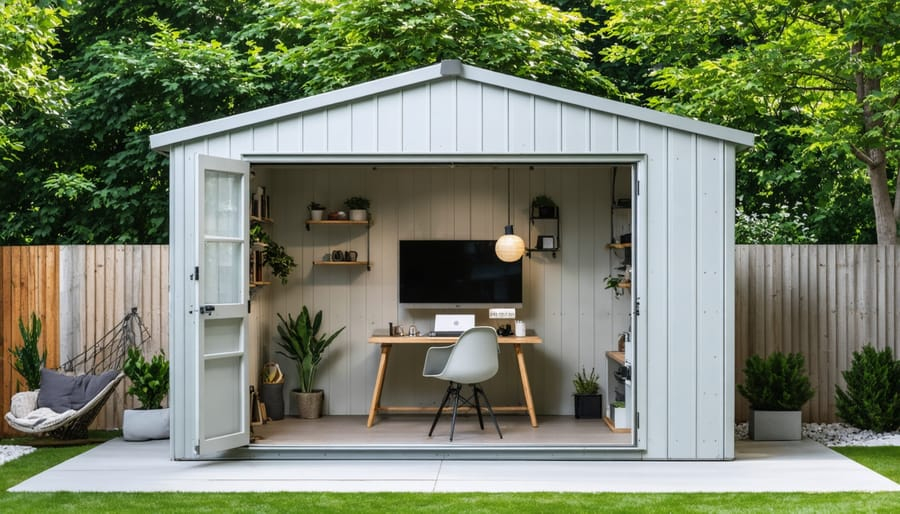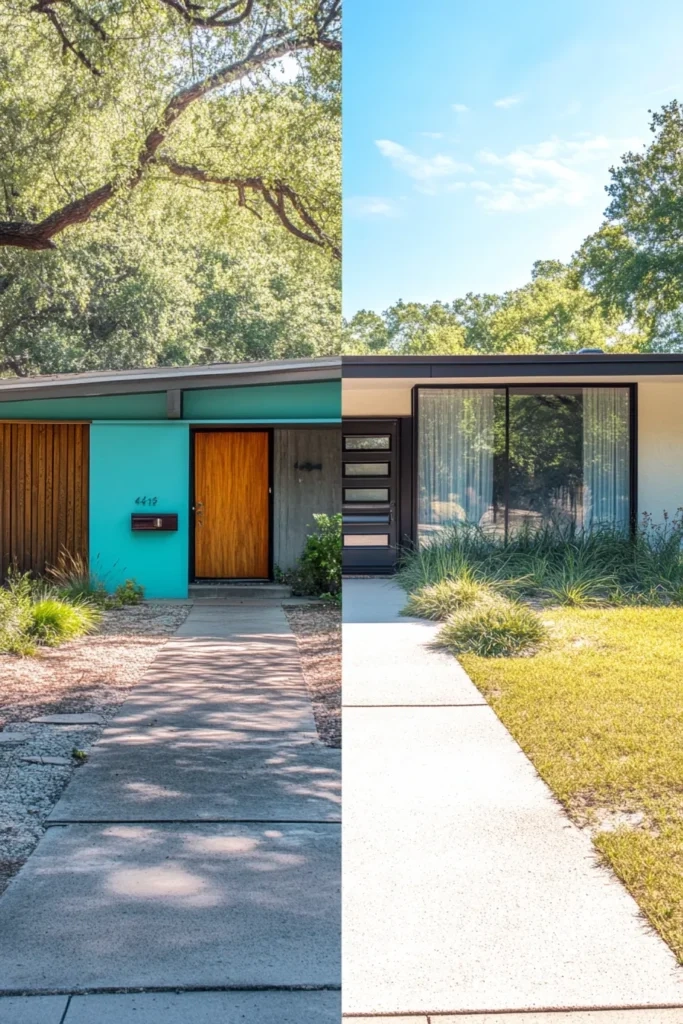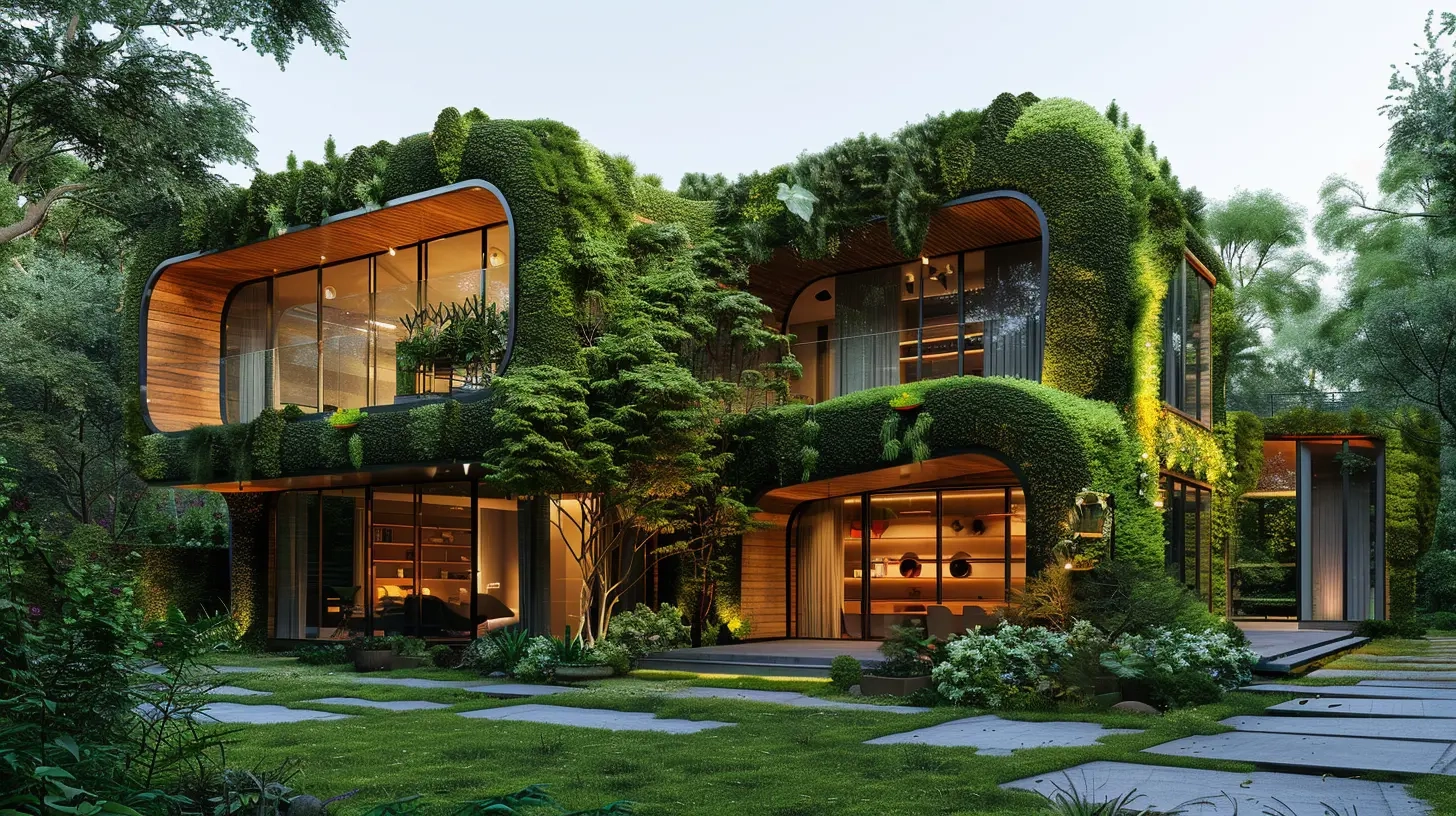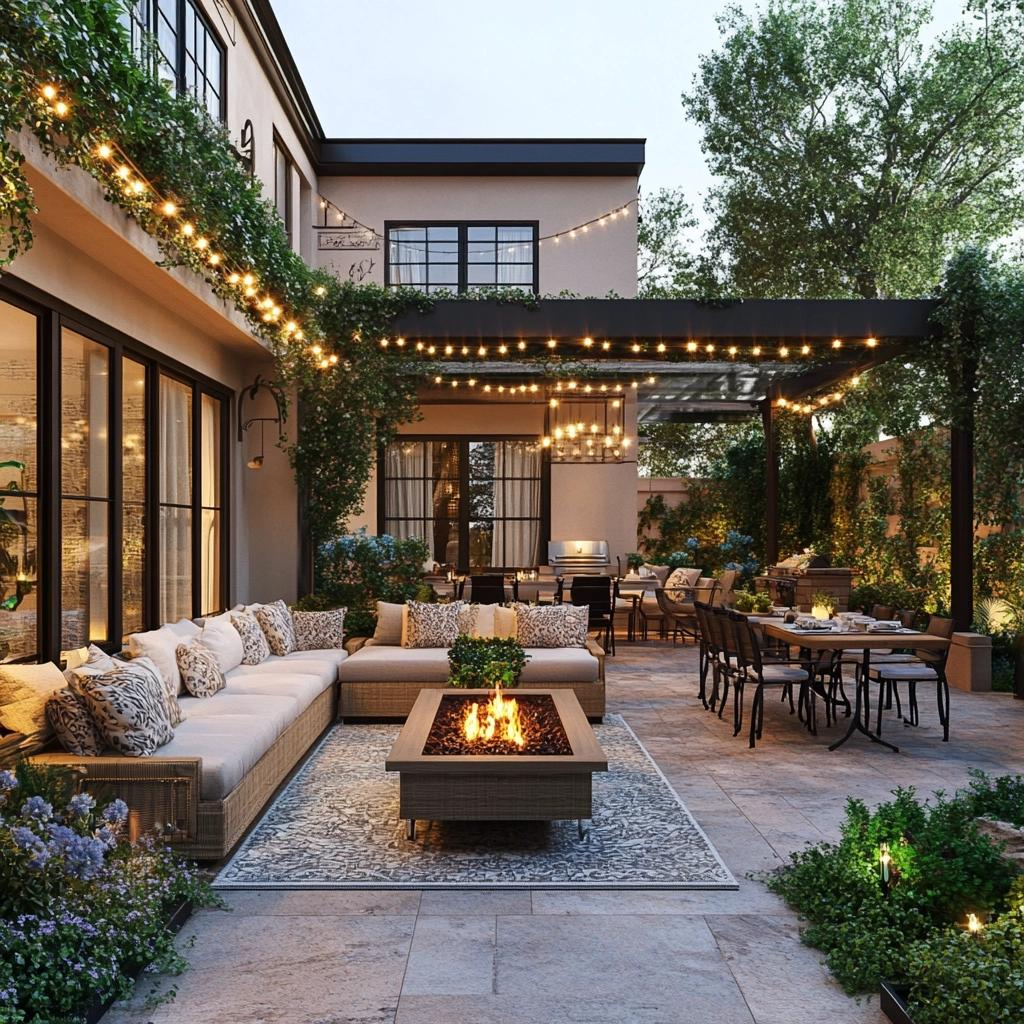
Walking down a suburban street, you can instantly spot the homes that feel pulled together and intentional versus those that look like an afterthought. It rarely comes down to the cost of the front door or the flashiness of the exterior paint. Instead, your eyes are quietly tracking something much more fundamental: the invisible or physical line where public property meets private domain. That threshold acts as the primary framing device for your entire piece of real estate, setting expectations long before anyone steps foot onto your porch.
Most homeowners treat landscaping as a collection of isolated decisions—a shrub here, a patch of sod there, perhaps a seasonal flat of petunias dropped into a mulch bed. They obsess over the color of the front door while completely ignoring the perimeter that frames the canvas. Without a deliberate edge, plants bleed incoherently into municipal turf, walkways lose their structural authority, and the entire property surrenders its visual anchor. Curb appeal is rarely about excess decoration; it is about spatial discipline, and that discipline begins precisely at the property line.
To understand why the front yard boundary commands such outsized psychological and aesthetic power, we have to look past simple property markers and examine how human beings process space, architecture, and order. When an estate or a modest suburban lot has a crisp, well-articulated edge, it tells a subconscious story of care, ownership, and design clarity. Neglect that perimeter, and the eye registers instant fatigue, no matter how pristine the interior of the house might be.
The Psychological Architecture of Edges and Thresholds
Human beings are hardwired to read boundaries. From ancient territorial markers to modern suburban fencing codes, the human brain relies on defined edges to make sense of environments. When you approach a house, your visual processing system immediately seeks a baseline. A sharp transition from the municipal sidewalk to the private lawn provides immediate visual closure. Without it, the eye wanders aimlessly, unable to settle on a clear focal point. This creates an unspoken sense of architectural drift, making even a meticulously maintained home look slightly unmoored from its surroundings.
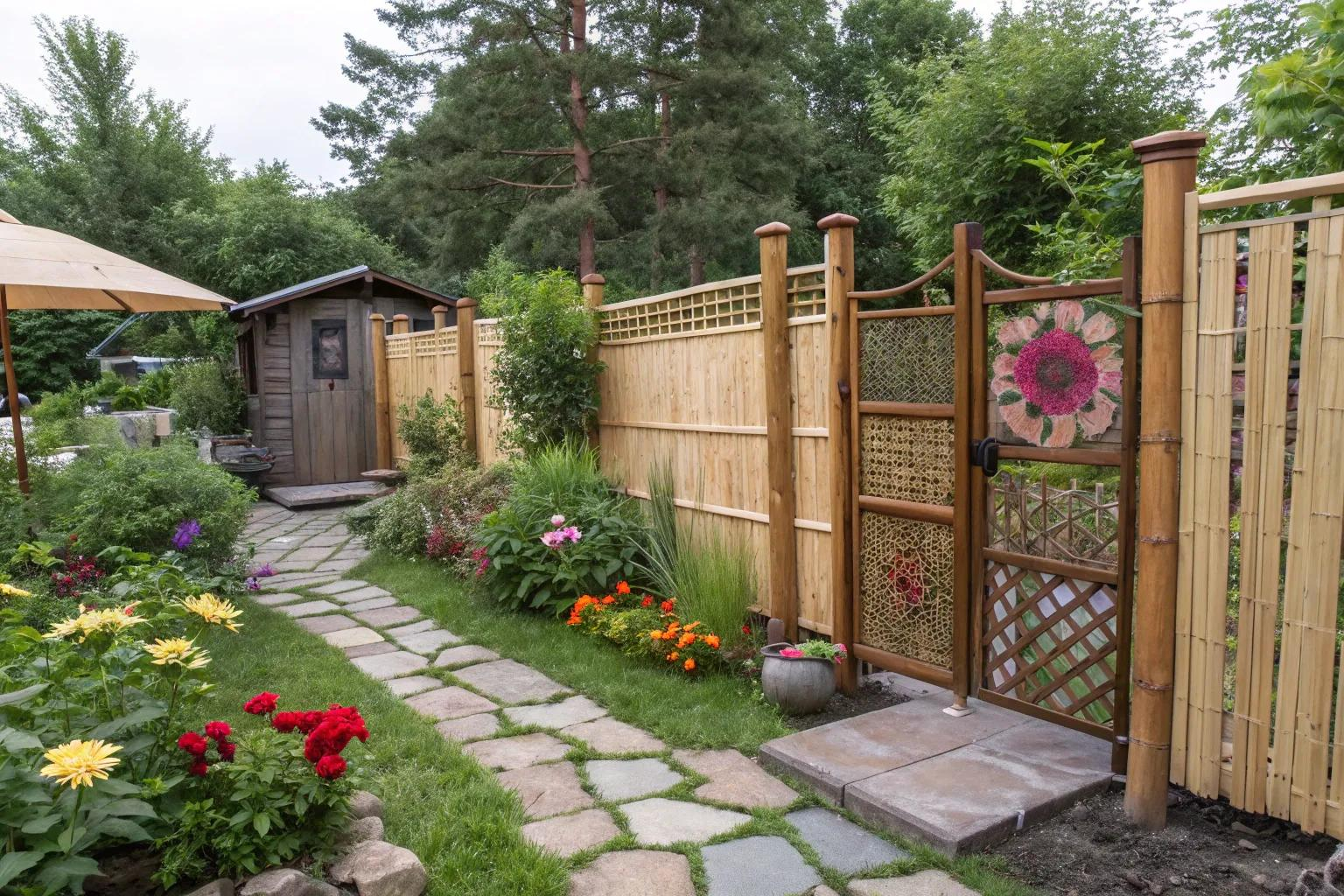
Consider the classic psychological phenomenon of framing. A great painting requires a frame to separate its internal world from the surrounding wall; remove the frame, and the artwork loses its authority. Your front yard is the painting, and the boundary is the frame. Whether it is a low-slung boxwood hedge, a dry-stacked fieldstone knee wall, or a clean steel lawn edging strip holding back a rich perennial bed, this perimeter establishes a deliberate boundary line. It signals where public space ends and private sanctuary begins, creating an immediate sense of arrival for visitors and passing pedestrians alike.
Furthermore, a distinct boundary alters how owners interact with their own property. When an edge is well-defined, maintenance becomes habitual rather than overwhelming. Weeding a contained border is a manageable task, whereas battling an amorphous, sprawling lawn-to-bed transition breeds chronic frustration. By imposing order on the perimeter, you trick your own psychology into viewing landscape maintenance as structured care rather than endless chore work. The physical line creates mental clarity, ensuring that everyday curb appeal is sustained with minimal friction.
Structural Anatomy of the Modern Property Perimeter
Achieving a high-impact boundary requires moving beyond generic plastic landscape edging purchased on a whim from a big-box store. Real curb appeal demands structural integrity and material harmony with the primary architecture of the house. If your home features mid-century modern vertical wood siding, a rustic stacked-stone wall might clash violently, whereas a minimalist rusted corten steel edging profile would feel utterly seamless. The materials you select for your perimeter must speak the architectural language of the structure behind them.
Hardscaping elements at the boundary layer serve a dual purpose: they provide vertical or horizontal interruption while managing water run-off and foot traffic patterns. Low stone walls, poured concrete curbs, and brick soldier courses act as physical engineering solutions. They hold back mulch on sloped lots, prevent aggressive lawn grasses from migrating into delicate shade gardens, and subtly guide the eye toward the primary entryway. When these structural elements are engineered correctly, they require very little seasonal upkeep while delivering a high-end, bespoke aesthetic year-round.
Living boundaries—such as evergreen hedges, ornamental grasses, or multi-tiered perennial plantings—offer a softer architectural approach. However, they require rigorous planning regarding mature spread, height regulations, and seasonal dormancy. A poorly pruned privet hedge looks messy within two seasons, defeating the very purpose of establishing a boundary. Successful living borders rely on structural evergreens to maintain winter interest and baseline geometry, layered with deciduous perennials that provide seasonal variation without sacrificing the overarching silhouette of the perimeter.
Implementing a High-Impact Boundary From Scratch
Transforming an undefined front yard into a masterpiece of spatial design requires a methodical, step-by-step execution plan. Rushing into the trenching phase without mapping out utility lines, sightlines, and material choices is a recipe for expensive mistakes and a disjointed final product.
- Step 1 (Property Line Verification and Utility Location): Before driving a single stake into the ground, pull your official property survey and call your local utility marking service to ensure you are clear of underground gas, water, and electrical lines. Knowing your exact legal boundary prevents neighborhood disputes and costly removal of misplaced hardscapes.
- Step 2 (Establishing the Visual Axis and Sightlines): Stand at your front door and look out toward the street, then reverse the perspective. Walk the sidewalk and note where natural eyelines fall. Mark the primary pathways and sight triangles required for safe driving visibility, ensuring that your new boundary does not obstruct traffic views or pedestrian right-of-ways.
- Step 3 (Excavation and Edge Trenching): Cut a crisp, deep spade edge (often called a Victorian trench) or excavate for hardscape footings. A 90-degree vertical edge cut into the soil at least three to four inches deep creates an instant shadow line that visually separates turf from garden beds, even before mulch or stone is applied.
- Step 4 (Material Installation and Structural Layering): Install your chosen boundary material—whether it is heavy-gauge steel edging, pavers, stone, or structural shrubs. Ensure that hardscape materials are firmly tamped into a compacted base of gravel and sand to prevent frost heaving and shifting over seasonal temperature swings.
- Step 5 (Planting and Finishing the Threshold): Layer your plantings within the newly defined boundary zone, placing taller structural plants toward the back and low-growing ground covers or cascading perennials near the edge. Top the beds with a stable, dark organic mulch or decorative stone to lock in moisture and complete the polished look.
Common Pitfalls and Field-Tested Workarounds
Even experienced DIYers and novice landscapers stumble when designing front yard boundaries. Avoiding these recurrent mistakes will save you hours of grueling rework and ensure your investment pays off in immediate curb appeal.
- Pitfall 1 (Choosing Flimsy, Low-Cost Plastic Edging): Cheap corrugated plastic edging warps in the summer heat, pops out of the ground during winter freeze-thaw cycles, and breaks under string trimmers. Practitioner Workaround: Invest in heavy-gauge 1/8-inch or 3/16-inch architectural steel, aluminum, or properly installed stone and brick pavers that anchor securely into the sub-base.
- Pitfall 2 (Ignoring Mature Plant Widths): Planting foundation shrubs or boundary hedges too close to the sidewalk or property line results in an overgrown jungle that blocks walkways within three years. Practitioner Workaround: Always research the mature width of plants rather than their container size, pulling perennial and shrub centers back at least two to three feet from any paved edge.
- Pitfall 3 (Creating Rushed, Erratic Curves): Sweeping, free-hand garden curves often end up looking wobbly and amateurish, resembling a squiggly line rather than a deliberate design choice. Practitioner Workaround: Use a garden hose or a coiled length of low-voltage cable to test curves before cutting turf, walking back to the street to evaluate the flow from multiple angles.
- Pitfall 4 (Neglecting Municipal Easement Laws): Many homeowners spend thousands landscaping the strip of land between the sidewalk and the street, only to watch utility workers bulldoze it for cable repairs. Practitioner Workaround: Check your local municipal codes regarding right-of-way easements and plant low-maintenance ground covers or turf in these vulnerable strips instead of expensive hardscapes.
- Pitfall 5 (Failing to Maintain the Edge Transition): Even the best-designed boundary will degrade if lawn grass is allowed to stolonize and creep over the edge unchecked. Practitioner Workaround: Re-cut your spade edge or clear encroaching grass from hardscape joints twice a year during spring and fall cleanups to keep the boundary razor-sharp.
The Broader Economic and Environmental Impact of Perimeter Design
A well-defined front yard boundary does more than satisfy aesthetic cravings; it carries tangible economic and ecological benefits. Real estate market analysts consistently note that professional landscaping with clear property definition can boost a home’s perceived value by anywhere from five to twelve percent. When prospective buyers pull up to a home, their subconscious financial calculator is running at full speed. A crisp boundary signals high pride of ownership, translating directly into a mental assumption that the roof, plumbing, and mechanical systems have been equally well-maintained.
On an environmental level, thoughtfully designed boundaries improve neighborhood stormwater management. By establishing dedicated garden beds or permeable stone borders at the property edge, you create natural bioswales that capture runoff from impervious roofs and driveways. Instead of water rushing off your property and overloading municipal storm sewers, it filters slowly through engineered soil beds and plant root systems. This reduces soil erosion along sidewalks and keeps local watersheds healthier.
Furthermore, integrating native flowering perennials into your boundary planting zones supports urban biodiversity. Pollinators like bees, butterflies, and beneficial insects rely on continuous corridors of nectar sources. A linear perennial bed running along a front yard fence line or sidewalk creates an ecological highway through a suburban desert of monoculture lawns. You are simultaneously elevating your home’s curb appeal and doing a small service for local ecosystems.
Strategic Frameworks for Long-Term Boundary Maintenance
Maintaining an elite front yard boundary requires shifting away from reactionary yard work and adopting a proactive, seasonal maintenance schedule. The secret to effortless curb appeal is establishing routines that prevent degradation before it becomes noticeable.
- Spring Structural Reset: Inspect all hardscape borders for winter frost heave, re-level shifting pavers, and apply a fresh two-inch layer of dark shredded hardwood mulch to suppress weed germination and lock in moisture.
- Mid-Summer Shaping and Trimming: Shear formal hedges to maintain strict geometric lines, deadhead spent perennial blooms, and run a weed whip or edger along steel and stone borders to keep turf encroachment at bay.
- Fall Clean-Up and Bulb Integration: Cut back declining herbaceous perennials, clear fallen leaves from boundary channels to prevent rotting turf beneath, and drop spring-blooming bulbs into the perimeter beds for early seasonal color.
- Winter Skeleton Evaluation: Assess the bare-branch silhouette of your front yard when deciduous trees and perennials are dormant. If the boundary still looks structured and intentional without foliage, your hardscape and evergreen framework are doing their job correctly.
Your front yard boundary is the silent ambassador of your home. It communicates your standards, frames your architecture, and provides a comforting sense of order in an increasingly chaotic world. By treating the perimeter as a primary design canvas rather than an afterthought, you completely transform how your property is experienced by yourself, your neighbors, and prospective buyers.
Investing time and thought into this critical threshold yields daily dividends. Every time you pull into your driveway and see a crisp, intentional line framing your landscape, you experience the quiet satisfaction of a well-ordered domain. Step outside, evaluate your current property edge with a critical eye, and take the first step toward redefining your everyday curb appeal.