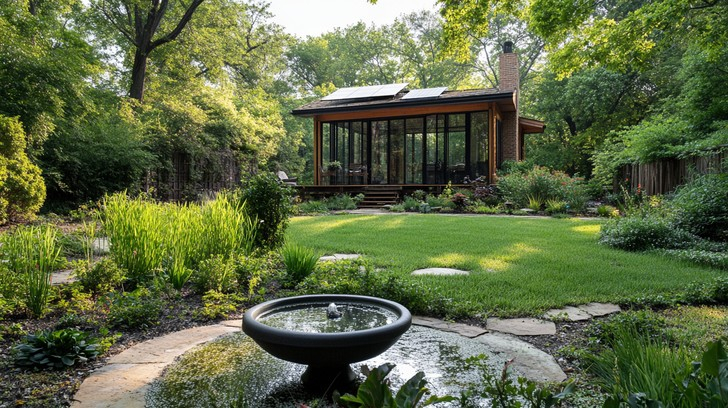
The urban hum rarely stops. Even with double-pane windows closed and noise-canceling headphones strapped on, a low-frequency hum of traffic, lawnmowers, and distant sirens permeates domestic life. We retreat indoors seeking sanctuary, only to find ourselves illuminated by the blue glare of screens, our nervous systems locked in a state of continuous low-grade vigilance. Yet, stepping just a few feet past the back door reveals an entirely different canvas. The yard has always been there, waiting quietly to absorb the static of modern existence.
What changes the dynamic from a simple patch of grass to a true sanctuary is the introduction of moving water. The physics of falling water—its acoustic frequency and visual cadence—acts as a natural psychoacoustic buffer, actively masking jarring neighborhood noises with white noise that mimics a mountain stream. When you introduce a custom waterfall into your outdoor living space, you are not merely adding a decorative landscaping element. You are installing a biological decompression chamber right outside your window, reshaping your immediate microclimate and rewriting your relationship with your home.
As outdoor design evolves, the quest for personal tranquility has reached new heights. Homeowners are no longer satisfied with cookie-cutter turf and a lonely patio table. The 2026 design landscape emphasizes immersive, multisensory environments where structural innovation meets organic chaos. From minimalist stainless steel scuppers jutting out of architectural retaining walls to sprawling, boulder-strewn naturalistic cascades that attract local wildlife, the options are vast. Curating a backyard retreat requires balancing architectural ambition with ecological reality, ensuring that your water feature feels as though it was carved by glaciers thousands of years ago rather than dropped onto a suburban lawn by a contractor last Tuesday.
The Architecture of Sound and Stone in Modern Landscape Design
Water features trace their lineage back to ancient Persian paradise gardens and the engineered fountains of Renaissance villas, where hydraulic marvels signaled human dominion over nature. Today, the philosophy has inverted. We use water features not to conquer nature, but to invite it back into our tightly managed yards. The core engineering of any successful waterfall rests on a delicate marriage of physics, hydrology, and aesthetic restraint. Getting the water to flow smoothly over an edge requires precision leveling, while making it look entirely effortless demands artistic chaos.
Understanding the mechanics of water movement starts with flow rates measured in gallons per hour (GPH). A common mistake is undersizing the pump, resulting in a pathetic trickle where a robust cascade should be. For a modest three-foot drop, a pump pushing 1,500 to 2,000 GPH is typically required to achieve a satisfying visual sheet and a robust acoustic presence. The geology of your waterfall dictates its voice. Smooth, flat slate or flagstone creates a crisp, clear splashing sound, whereas rugged, jagged moss-rock boulders break the stream into bubbling, gurgling textures that soften harsh sounds.
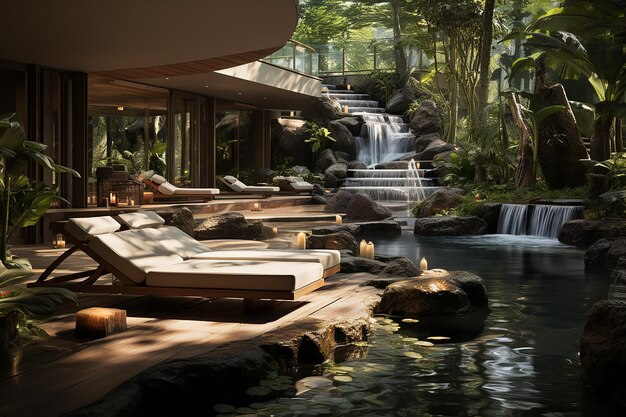
Modern landscapes also demand versatility. The 2026 design ethos embraces boundary-pushing configurations that fit yards of every scale. Consider the rise of multi-tiered retaining wall cascades that double as structural slope stabilization, or compact container water gardens that bring the meditative rush of falling water to an urban balcony or tiny townhouse courtyard. By integrating LED lighting systems embedded beneath the lip of the spillway, the feature transitions seamlessly from a daytime focal point into a glowing, nocturnal sculpture that casts dancing shadows across the patio walls.
Integrating surrounding flora requires careful selection of moisture-loving marginal plants that thrive in the splash zone. Japanese blood grass, dwarf umbrella palms, and hardy ferns soften the hard edges of engineered stone, blurring the line between man-made construction and ancient riverbed. This botanical layering is critical. Without plants to anchor the stone work, even the most expensive granite boulder arrangement can end up looking like an accidental rock quarry dumped in the middle of Kentucky bluegrass.
Categorizing the 75 Design Pathways for Every Backyard Scale
With 75 distinct waterfall concepts trending in home architecture and landscape design, organizing them by structural typology helps cut through the noise. Broadly, these ideas fall into three primary categories: naturalistic rock waterfalls, contemporary architectural water features, and low-maintenance pondless systems. Each typology serves a different architectural style, maintenance threshold, and spatial constraint, ensuring that whether you own a sprawling rural acreage or a compact urban postage-stamp yard, a transformative water feature is within reach.
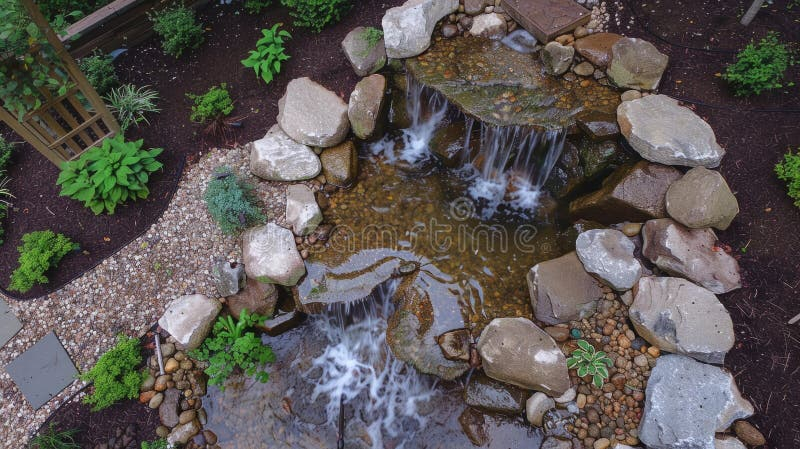
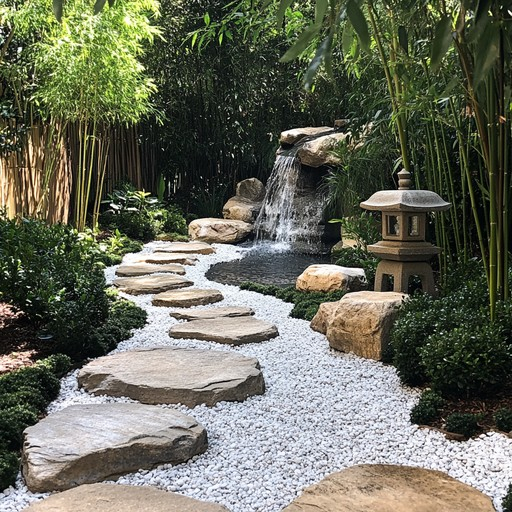
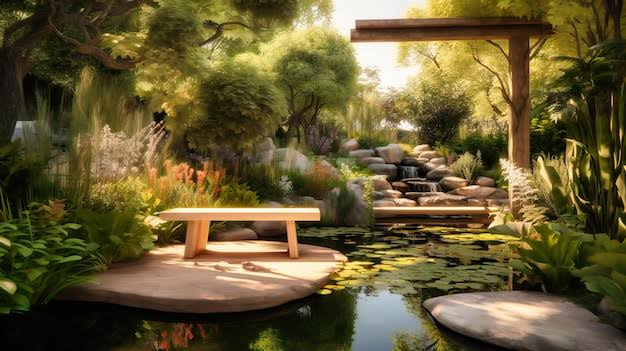
Naturalistic rock waterfalls remain the perennial favorite for traditional and cottage-style gardens. These designs rely on irregularly shaped fieldstones, mossy boulders, and cascading streams that mimic undisturbed wilderness. Sub-categories within this realm include multi-drop woodland streams, deep koi pond integrations, and sunken grotto waterfalls that feature hidden seating areas behind the curtain of water. These installations prioritize ecological integration, often functioning as thriving aquatic habitats that draw dragonflies, songbirds, and beneficial pollinators throughout the warmer months.
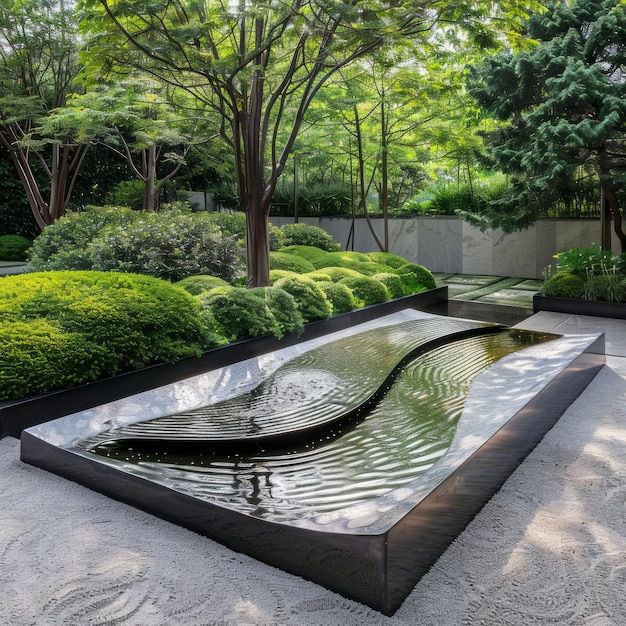
On the opposite end of the design spectrum sit contemporary architectural waterfalls. These features lean heavily on geometric lines, polished metals, and stark masonry. Think of rusted Corten steel water walls, dark basalt columns where water wells up from the center and spills down all four sides, or sleek acrylic scuppers mounted flush against a smooth stucco wall. These installations complement modern farmhouse aesthetics, mid-century modern architecture, and minimalist urban courtyards where clean lines and architectural restraint dominate the landscape design vocabulary.
Pondless waterfalls bridge the gap between aesthetic drama and practical maintenance. For homeowners wary of mosquito breeding grounds, high chemical balancing costs, or the safety hazards of standing water around young children, pondless systems offer the ultimate compromise. Water cascades over rocks or architectural spillways into a hidden subterranean reservoir filled with gravel and a heavy-duty basin, where it is instantly recycled back to the top via a submersible pump. This style accounts for a massive share of residential installations, proving that you can enjoy the sensory benefits of a roaring waterfall without the intensive upkeep of a traditional aquatic ecosystem.
Designing Your Backyard Oasis: A Methodological Implementation Blueprint
Building a backyard waterfall that stands the test of time requires rigorous planning, precise excavation, and careful material staging. Skipping steps in the foundational phase almost always leads to catastrophic leaks, shifting stone, or electrical failures down the road. Treating the installation as an exercise in micro-civil engineering ensures structural integrity and aesthetic longevity.
- Step 1 (Site Selection and Visibility Mapping): Sit in your primary outdoor living areas and note where you naturally look. Position the waterfall so it is visible from kitchen windows, patio seating, and bedroom views, while ensuring it is close enough to existing electrical lines to minimize trenching length.
- Step 2 (Excavation and Reservoir Sizing): Dig the lower basin or subterranean vault, factoring in a safety margin for water volume. For pondless setups, calculate your basin void space using gravel volume ratios (typically 33% open water space in a packed gravel bed) to guarantee the pump never runs dry during operation.
- Step 3 (Underlayment and EPDM Liner Installation): Lay down a thick non-woven geotextile underlayment to protect your rubber liner from sharp rocks, tree roots, and shifting soil. Drape your 45-mil EPDM liner carefully across the excavation, leaving generous overhands before securing the edges with anchor stones.
- Step 4 (Plumbing and Pump Integration): Run flexible PVC pipe or kink-free tubing from the pump vault up to the spillway header. Install check valves to prevent backflow when the system powers down, and house the pump inside an easily accessible skimmer box for effortless seasonal cleaning.
- Step 5 (Stone Placement and Foam Sealing): Arrange your foundational boulders starting from the bottom and working upward, using expanding waterfall foam sealant in the gaps to force all water over the stone faces rather than losing it to hidden crevices beneath the rocks.
Navigating Structural Pitfalls and Field-Tested Workarounds
Even experienced DIYers and landscape contractors occasionally run into classic installation traps that compromise the efficiency or appearance of a water feature. Anticipating these missteps saves thousands of dollars in repairs and prevents endless frustration.
- Pitfall 1 (Invisible Water Loss via Splash-Out): A waterfall with an overly steep drop or poorly angled spill stones will fling water far beyond the liner’s perimeter, causing the reservoir level to drop daily. Workaround: Tilt top-tier spill stones slightly inward toward the basin and widen the splash zone by incorporating a broad bed of river rock around the base to catch stray droplets.
- Pitfall 2 (Exposed Rubber Liner Edges): Black EPDM rubber peeking out from beneath decorative rock immediately shatters the illusion of a natural stream. Workaround: Tuck liner tails deep beneath surrounding sod, mulch beds, or border stones, layering creeping plants and smaller gravel to completely camouflage synthetic materials.
- Pitfall 3 (Undersized Electrical Infrastructure): Plugging a high-capacity pump and underwater lighting transformer into a standard residential outlet without a dedicated GFCI breaker creates safety hazards and frequent tripping. Workaround: Hire a licensed electrician to run a dedicated, weather-proof underground circuit with a dedicated GFCI breaker right to the water feature pad.
- Pitfall 4 (Algae Blooms and Nutrient Overload): Stagnant water exposed to baking summer sun quickly turns green and cloudy, choking out pump intakes. Workaround: Integrate biological filtration media mats, maintain a 40% shade ratio over the pond surface using canopy trees or pergolas, and introduce competitive marginal plants to consume excess nitrates.
- Pitfall 5 (Winter Freezing and Ice Expansion): Leaving water running or stagnant in sub-freezing temperatures can crack PVC pipes, burst pump housings, and shatter stone liners. Workaround: Drain shallow lines, remove submersible pumps for indoor winter storage, or utilize specialized de-icers if running a deep pond system through freezing months.
Ecological Integration, Wildlife Habitats, and Long-Term Sustainability
A backyard waterfall is more than an aesthetic upgrade; it is an active ecological intervention that transforms your property into a localized wildlife refuge. In urban and suburban areas where natural water sources are increasingly scarce, a clean water feature acts as a biological magnet for local fauna. Within weeks of installation, you will likely notice native pollinators, butterflies, and diverse bird species visiting the shallows to drink and bathe.
Designing with sustainability in mind involves selecting materials quarried locally rather than shipped across continents, minimizing your project’s carbon footprint. Furthermore, modern water features can be tied into smart home automation systems, allowing you to schedule pump run times to coincide with solar panel generation or off-peak electricity hours. Variable-speed pumps allow you to throttle back water flow during quiet evening hours, reducing energy consumption while maintaining a gentle, ambient trickle.
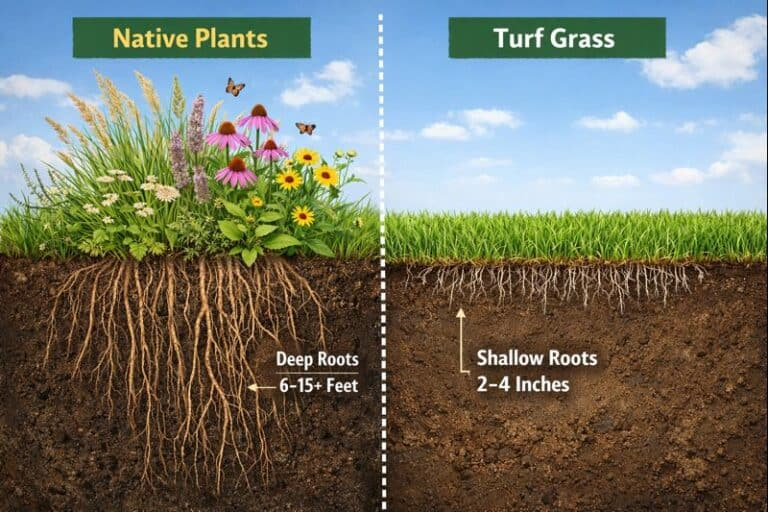
Water conservation is another critical consideration in contemporary landscaping. Contrary to popular assumption, a well-designed, leak-free backyard waterfall often consumes less water than an equivalent patch of thirsty lawn grass, as the shaded reservoir and recirculating loop reduce evaporative loss. During dry summer months, integrating an automatic fill valve connected to a rainwater harvesting system keeps the basin topped off without straining municipal water supplies.
The psychological dividend of this ecological integration cannot be overstated. Watching goldfinches splash in the shallows or observing dragonflies patrol the water’s edge grounds us in natural rhythms that are easily forgotten behind closed doors. By fostering a miniature ecosystem just outside the back door, you cultivate a sense of stewardship and connection that enriches daily life far beyond the visual appeal of the landscaping.
Actionable Frameworks for Choosing Your Ideal Water Feature Style
Selecting the right waterfall design requires a systematic evaluation of your lifestyle, yard geometry, and maintenance appetite. Avoid jumping into a complex multi-tier rock project simply because it looked stunning in a magazine spread. Instead, run your preferences through a structured decision matrix to ensure the final installation matches your daily reality.
- Evaluate Spatial Constraints First: Measure your available yard footprint and overhead clearance. A massive ten-foot boulder cascade will overwhelm a tiny urban courtyard, while a delicate tabletop fountain will disappear in a vast rural lawn. Match the scale of the feature to the existing proportions of your home and fencing.
- Assess Your Maintenance Threshold: Be honest about how much time you are willing to spend cleaning leaves, scrubbing algae, and topping off water levels. If your schedule is packed, lean toward a pondless auto-fill system equipped with an ultraviolet clarifier and a skimmer net.
- Match the Architectural DNA: Ensure the water feature complements your home’s exterior cladding and hardscaping. Modern stucco and smooth concrete demand geometric scuppers and basalt columns, whereas brick colonials and cedar siding pair naturally with weathered fieldstones and erratic boulder arrangements.
- Budget for Hidden Costs: Factor in the price of heavy equipment rentals, professional electrical wiring, high-grade EPDM liners, premium pumps, and stone delivery fees. A realistic budget includes a 20% contingency fund for unforeseen site grading challenges and unexpected plumbing adjustments.
- Consult Local Building Codes: Check municipal regulations regarding backyard water features, particularly if you plan on building a deep pool or installing electrical lines near property boundaries. Securing proper permits upfront prevents costly teardowns later.
The decision to install a backyard waterfall is an investment in mental well-being disguised as a landscaping project. In an era defined by digital hyper-connectivity and endless sensory overload, carving out a physical space dedicated to the slow, hypnotic movement of water provides an invaluable counterweight. It gives us a reason to step outside without our phones, to sit quietly as the sun dips below the fence line, and to let the sound of rushing water wash away the accumulated grit of the workday.
As you sort through the vast array of design inspirations available for 2026, keep your focus anchored on simplicity, authenticity, and personal connection. Whether you choose a dramatic modern sheet fall slicing through a concrete retaining wall or a modest, moss-draped rock trickle tucked into a shady corner of your garden, the goal remains identical. You are reclaiming your backyard not as an empty chore list of turf maintenance, but as a living, breathing sanctuary designed entirely for your peace of mind.